If you’ve ever lost an afternoon hunting for a local source of frames, foundation, or a spring nuc, you know the problem. The gear is everywhere online. Knowing who’s actually near you, and whether they’re worth driving to, is the hard part. Here are the best ways to find beekeeping supplies near you, ranked by how fast they get you to a real, local source.
1. The Easy Homestead (Our Top Pick for Finding Local Bee Suppliers)
The Easy Homestead is a directory built for working homesteaders, with verified listings and real reviews you can search by ZIP code or county. It’s the fastest way to find a nearby beekeeping supplier without starting another three-week research project.
Here’s why it earns the top spot. Most beekeeping vendors are bad at telling you where they are. In a sample of 19 suppliers pulled for this article, 84% gave no clear location at all, and only two even mentioned shipping. That’s the exact gap a searchable directory fills. You type in your county and see who’s actually close, instead of guessing from a vendor’s homepage that says “United States” and nothing else.
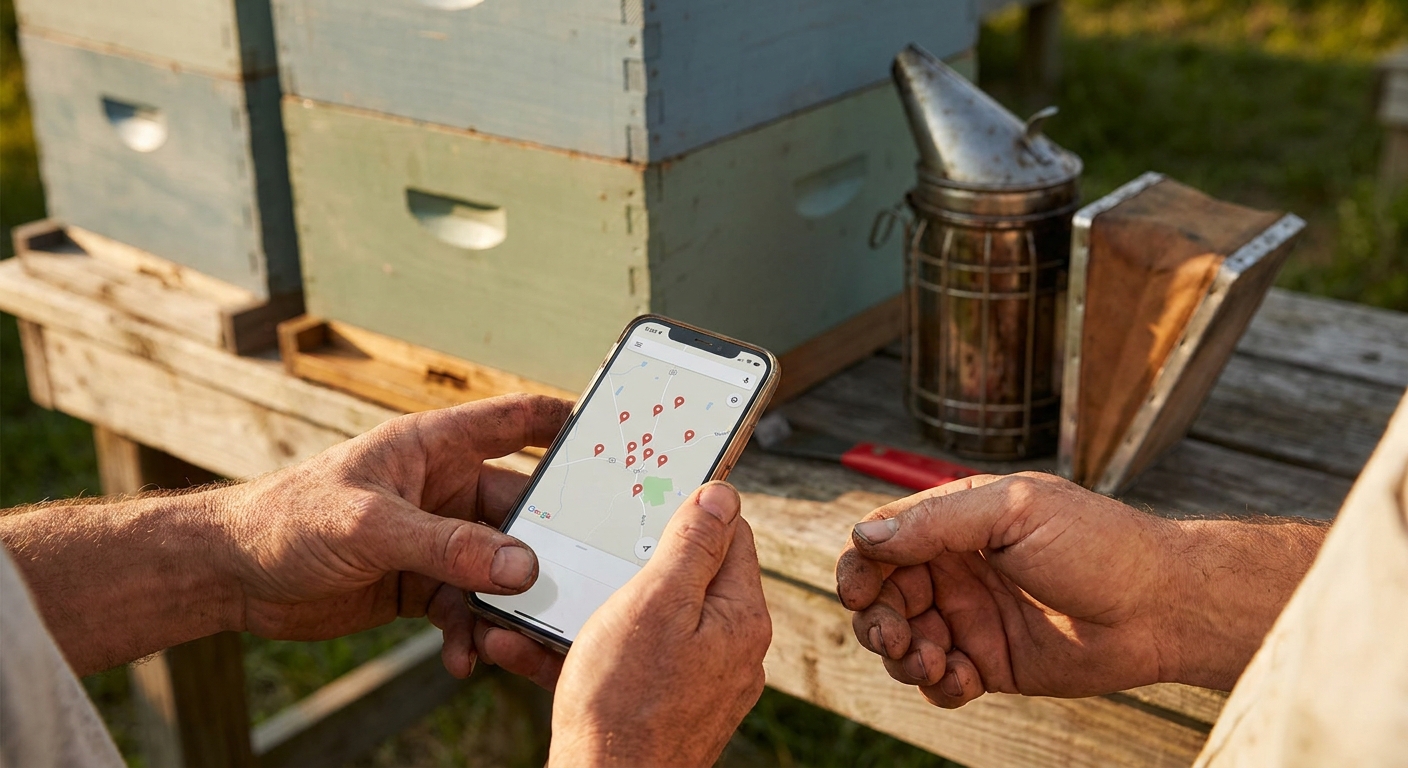
The reviews matter more than people expect. Anybody can list “reliable shipping” or “high quality” on a sales page. A directory with real reviews tells you whether the woodenware showed up warped, whether the nucs were strong, and whether the owner actually answered the phone in April. That’s the difference between a catalog and a vetted source.
The Easy Homestead also covers the rest of your supply chain, so the beekeeping supplier you find sits next to your local feed store and large-animal vet. If you’ve been piecing together a local network one Facebook thread at a time, this is the cure. We built it to be the solution to those noisy groups, not another one of them. The honest caveat: coverage depends on your area. Some counties have deep listings, some are still filling in. If your region is thin, the directory will tell you plainly instead of pretending.
Key Takeaway: When you need a local bee supplier fast, search a verified directory first. It skips the guesswork that vendor homepages and group threads leave you with.
2. Local bee clubs and county beekeeping associations
Your county or regional bee club is the oldest and still one of the best ways to find beekeeping supplies near you. These groups know which local keeper sells nucs, who makes woodenware in their garage, and which feed store actually restocks gear in spring.
Clubs run group orders. A bunch of members pool a woodenware or package order to hit free-shipping thresholds, then split a single pallet at a meeting. That’s how you get national-supplier pricing without paying freight on one hive’s worth of boxes. If you’ve never done a group buy, ask at your first meeting. Most clubs run one every spring.
The other thing clubs give you is a mentor, and that’s worth more than any tool. The best way to learn is to work with an experienced keeper who has run hives in your area for years. That mentor often becomes your local source for both nucs and honest gear advice.
To find your club, search your state beekeepers association plus “local clubs.” Many state associations keep a county-by-county list. If you’d rather skip the search and see who’s near you in one place, the same approach you’d use to track down trusted raw milk sources works here: start local and verified, then branch out.
One caveat. Clubs run on volunteers, so meeting schedules and group-order deadlines move around. Confirm dates before you count on a spring buy.
3. Regional beekeeping supply stores and woodenware makers
A regional supply store or local woodenware maker is your best bet for picking up gear the same week you need it. No freight, no two-week wait, and you can inspect frames and boxes before you hand over money.
This matters because hive parts have to hit exact dimensions. Hive parts are cut to standard sizes that mimic the bee space bees naturally leave between combs, and you have to reproduce those dimensions exactly if you build your own. A local maker who’s been cutting boxes for your climate usually gets this right. A mystery online lot might not.
Buying in person also lets you check the things photos hide. Is the wood knot-free? Are the frames already glued and nailed, or flat-packed? Are exterior boxes coated, or raw and ready to warp the first wet week? Exterior wooden parts should at least get a coat of good oil or latex paint, so a maker who sells boxes “already painted” saves you a weekend.
Regional stores also stock the consumables you run out of mid-season: smoker fuel, hive tools, foundation, feeders. Entrance feeders are handy but invite robbing; a division-board feeder sits inside the brood nest instead. A good local shop owner will steer you to the right one for your setup instead of selling you the most expensive option.
The trade-off is selection. A single regional store rarely carries the full spectrum, from extractors to varroa test kits to comb-honey containers. Expect to combine a local shop for the basics with a directory or national order for the oddball items.
4. Local hatcheries, feed stores, and farm co-ops carrying bee gear
Your feed store and farm co-op are the most overlooked source of beekeeping supplies near you. Plenty of rural feed stores carry starter hives, smokers, veils, and sugar by the 50-pound bag in spring, and they often broker local package and nuc orders too.
“Ask at the feed store” is real advice, not a cliché. The people behind the counter know which local keeper drops off nucs in April and which one to avoid. They hear it from every customer who walks in. If you’ve already got a feed store you trust for chicken or goat supplies, ask them about bees before you order anything online.
Co-ops are strong for the bulk, heavy stuff. Sugar for syrup, mite treatments, and protective gear move through farm co-ops at decent prices because they’re buying for a whole region. If you’re already sourcing other inputs through a co-op, adding bee gear to the same pickup saves a trip. The same logic applies whether you’re stocking a laying flock from a verified hatchery or a couple of hives.
The limit is depth. A feed store carries the fast-movers, not specialty items like extractors or queen-rearing supplies. And stock is seasonal, so a store loaded with bee gear in March may have a bare shelf by July. Call ahead in spring and ask what they’ve actually got on the floor, not what the website says.
Treat the feed store as your fast-restock source and your local intel desk, then go to a directory or national supplier for anything they don’t carry.
5. Local package and nuc producers for live bees
Local package and nuc producers are where you get the most important supply of all: the bees. And local stock beats shipped-in bees for one big reason. Bees raised in your climate are already adapted to your winters, your forage, and your mite pressure.
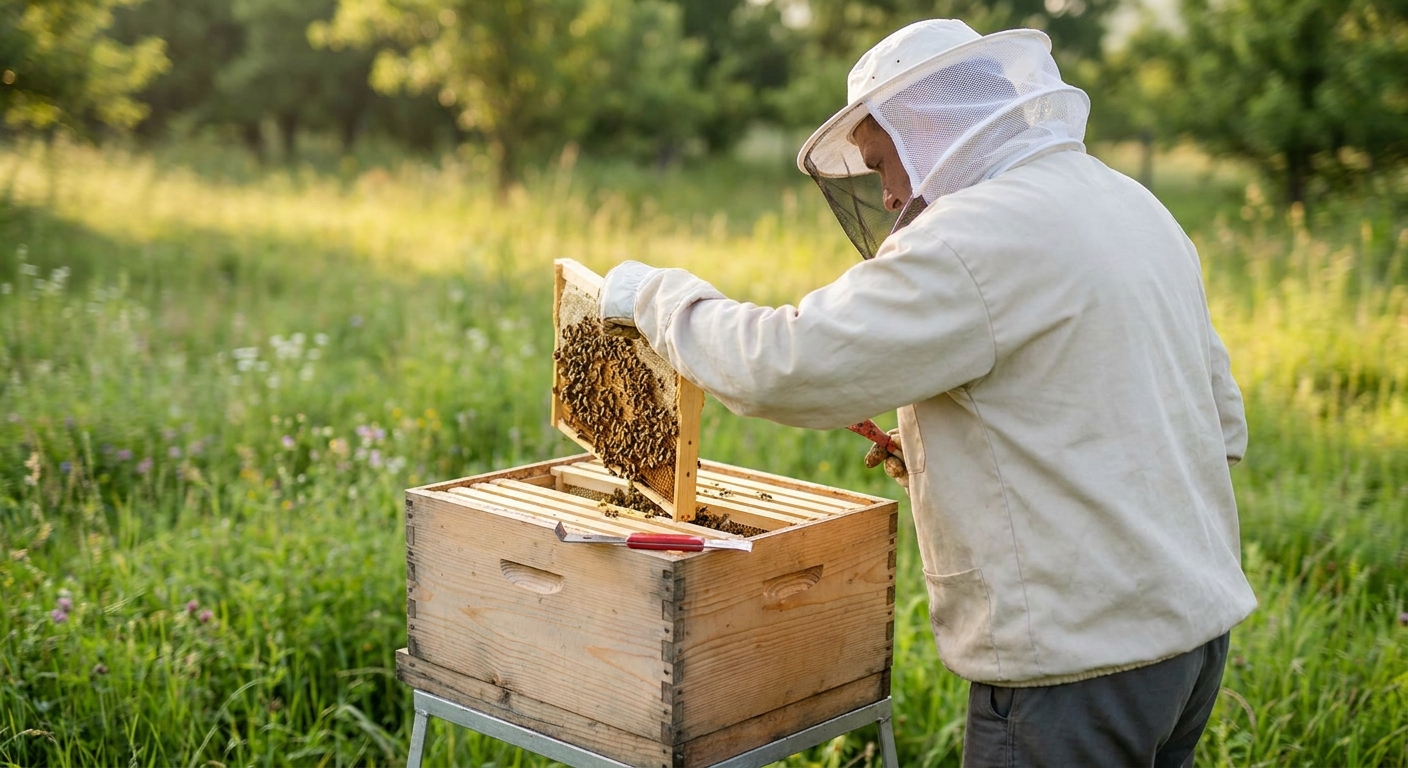
A nuc is a small starter colony, usually five frames with a laying queen, brood, and stores. A package is loose bees plus a caged queen, no comb. Nucs get going faster because they come with drawn comb and brood already in motion. Packages cost less and ship more easily but take longer to build up. For most working homesteaders adding hives, a local nuc is the lower-risk pick.
Buy local because timing and handling wreck shipped bees. A package that sits on a hot loading dock loses bees fast. A local nuc you pick up in your truck and install that evening dodges all of that. You also get to look at the frames before you buy, and check for solid brood pattern and decent population.
Most quality producers sell out by late winter. Healthy overwintered colonies are easy for a good keeper to split each spring, which is exactly why the best local sellers book early. Get on a list in January, not April.
The caveat: not every local seller is a good one. A weak, mite-loaded nuc from a careless keeper is worse than no bees. This is where verified reviews earn their keep. Check what other local buyers said about the producer’s stock before you commit a deposit.
Pro Tip: Tired of piecing your local supply chain together one group thread at a time? Find a verified beekeeping supplier near you on The Easy Homestead and skip the guesswork.
6. National suppliers that ship fast to your area
When nobody local stocks what you need, a national supplier that ships to your area fills the gap. This is the move for specialty items: extractors, queen-rearing kits, varroa test gear, or a full hive kit your feed store doesn’t carry.
The catch is shipping clarity. In the sample behind this article, only 2 of 19 suppliers even mentioned delivery, and both hedged it with vague language like “reliable shipping” or “free shipping on most orders over $100.” Before you order, find the actual freight cost to your ZIP and the lead time, because woodenware ships heavy and slow.
| What you’re buying | Best local source first | When to go national |
|---|---|---|
| Frames, boxes, foundation | Regional maker or feed store | Group order to beat freight |
| Nucs and packages | Local producer (pickup) | Rarely — shipping stresses bees |
| Smoker, hive tool, veil | Feed store or co-op | If local is out of stock |
| Extractor, queen-rearing gear | — | Almost always national |
| Mite treatments | Co-op or regional store | For specific registered products |
Read the fine print on live bees and queens. Some national outfits require full payment at time of ordering for queens and nucs and sell out their spring slots early. Plan those buys months ahead, not the week you need them.
Use national suppliers as your fallback for gear you can’t touch locally, and lean on local sources for everything heavy or alive.
What to check before you buy from any local source
Before you hand money to any local supplier, run a quick gut check so you don’t lock yourself into the wrong gear or a weak colony. A few of these choices are hard to undo later.
The biggest one is frame size. Choosing between 8-frame and 10-frame equipment is a long-term decision because the two aren’t compatible and are hard to mix. 10-frame is the most common and needs fewer boxes, but a full 10-frame medium of honey runs 15-plus pounds heavier than an 8-frame box. If your back is a concern, go 8-frame mediums and stick with them. Don’t buy a local lot of mismatched boxes without checking which standard they are.
Run through these before you buy:
- Frame standard. Confirm 8-frame or 10-frame, and whether it’s deep, medium, or shallow. Match it to what you already own.
- Assembly state. Ask if boxes and frames come assembled and painted, or flat-packed and raw. That changes your real cost and your weekend.
- Bee health, for live stock. Look at the brood pattern and ask about the producer’s mite management before you take a nuc home.
- Reviews. Check what local buyers actually said. A directory with verified reviews beats a sales page that just claims “high quality.”
If you can, inspect in person. Photos hide warped wood, thin populations, and a queen that isn’t laying well. A short drive to look first saves a long season of regret.
Frequently asked questions
How do I find beekeeping supplies near me fast?
Start with a verified directory like The Easy Homestead, where you search local bee suppliers by ZIP code or county and s. Then call your nearest feed store and county bee club for stock they carry in person. That combination gets you to a real local source in an afternoon instead of a three-week search.
Is it better to buy a nuc or a package of bees locally?
For most homesteaders adding hives, a local nuc is the better buy. A nuc comes with drawn comb, brood, and a laying queen, so it builds up faster than a package of loose bees. Buying local also means you pick the bees up yourself, which avoids the heat and handling stress that ships in with mail-order packages.
Where can I get beekeeping woodenware without paying huge shipping?
Buy woodenware from a regional maker or feed store, or join a county bee club group order. Boxes and frames ship heavy and slow, so freight can rival the cost of the gear. A group buy pools members to hit free-shipping thresholds, then splits one pallet locally, which is the cheapest way to stock up.
Should I start with 8-frame or 10-frame equipment?
Pick one and commit, because 8-frame and 10-frame boxes aren’t compatible and are hard to mix later. 10-frame is the most common and needs fewer boxes. 8-frame mediums are lighter and easier on your back. If lifting full honey supers is a concern, go 8-frame and buy all your local gear in that standard.
When should I order local bees for spring?
Order local nucs and packages in winter, ideally January, because good producers sell out by late winter. Strong overwintered colonies are easy for a careful keeper to split each spring, so the best local sellers book their slots early. Get a deposit down well before April, and confirm pickup timing when you reserve.
Conclusion
For the fastest path to a real local source, start with a verified directory, then work your bee club and feed store for the heavy and live stuff. Search beekeeping suppliers near you on The Easy Homestead, s, and reserve your spring nucs before the good producers sell out.