For most flocks, the best animal to protect chickens is a well-raised livestock guardian dog. A good one patrols day and night, stands up to coyotes and stray dogs, and bonds with the birds it lives with. Nothing else on this list covers as many predators as well.
That said, a dog is not the right answer for every homestead. A small backyard flock, a tight budget, or a town that does not allow large dogs can all point you toward a goose, a donkey, or a few guinea fowl instead. The right guardian depends on what is killing your birds, how many you keep, and how much animal you can care for.
Here is how the options compare, starting with the one that works for the most people.
The short answer, by situation
- Coyotes, foxes, stray dogs, or large flock: a livestock guardian dog.
- Small flock and you want something easy: a pair of geese or a small group of guinea fowl.
- Mid-sized predators and you already keep larger stock: a guard donkey or a llama.
- Hawks and the occasional ground threat: a watchful rooster plus secure cover. A rooster buys seconds, not safety.
The rest of this guide explains why, and what each animal can and cannot do.
Why a livestock guardian dog beats the rest
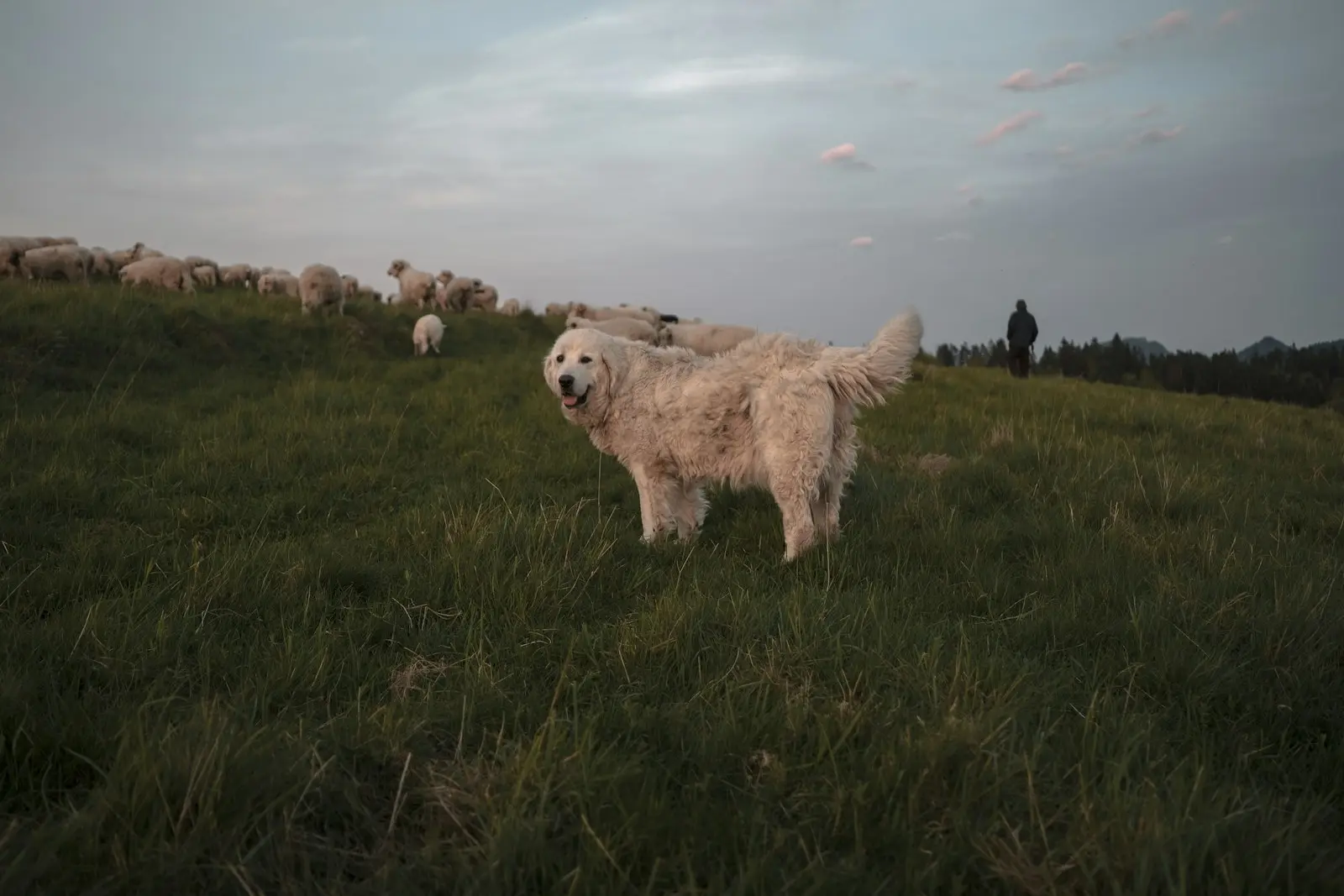
A livestock guardian dog, often shortened to LGD, is a breed developed over centuries to live with stock and drive off threats. Great Pyrenees, Maremma, Anatolian Shepherd, Akbash, and Kangal are the names you will see most. These are not pets that happen to be outside. They work.
A good LGD covers more ground and more types of predator than any other guardian. It deters coyotes and foxes, confronts stray dogs, and chases off raccoons and possums at night. It works while you sleep, which matters because most attacks happen after dark. No goose or donkey gives you that range.
The catch is real, so do not skip it. Most dogs are not guardian dogs. A regular farm dog, a retriever, or a herding breed will often chase or kill chickens rather than protect them. Even a true LGD has to be raised right, around poultry, with training and time, before you can trust it loose with the flock. A guardian dog you buy as an adult and turn out the same day is a gamble.
The best dog breeds to protect chickens
These breeds have the strongest track record with poultry.
| Breed | Best for | Worth knowing |
|---|---|---|
| Great Pyrenees | Cold climates, large flocks | Thick coat, calm temperament, can overheat in the South |
| Maremma Sheepdog | Smaller homesteads, poultry | Often bonds tightly with birds, common with chicken keepers |
| Anatolian Shepherd | Hot climates, big predators | Strong and independent, needs a confident handler |
| Akbash | All-around farm work | Lean and fast, good with varied stock |
| Kangal | Heavy predator pressure | Powerful, best for serious threats like wolves or big cats |
Whichever breed you choose, look for a dog from working parents that already live with livestock. A pup raised in a house has to learn the job from scratch. One raised in a barn alongside poultry is far more likely to do it right.
Best small dog to protect chickens
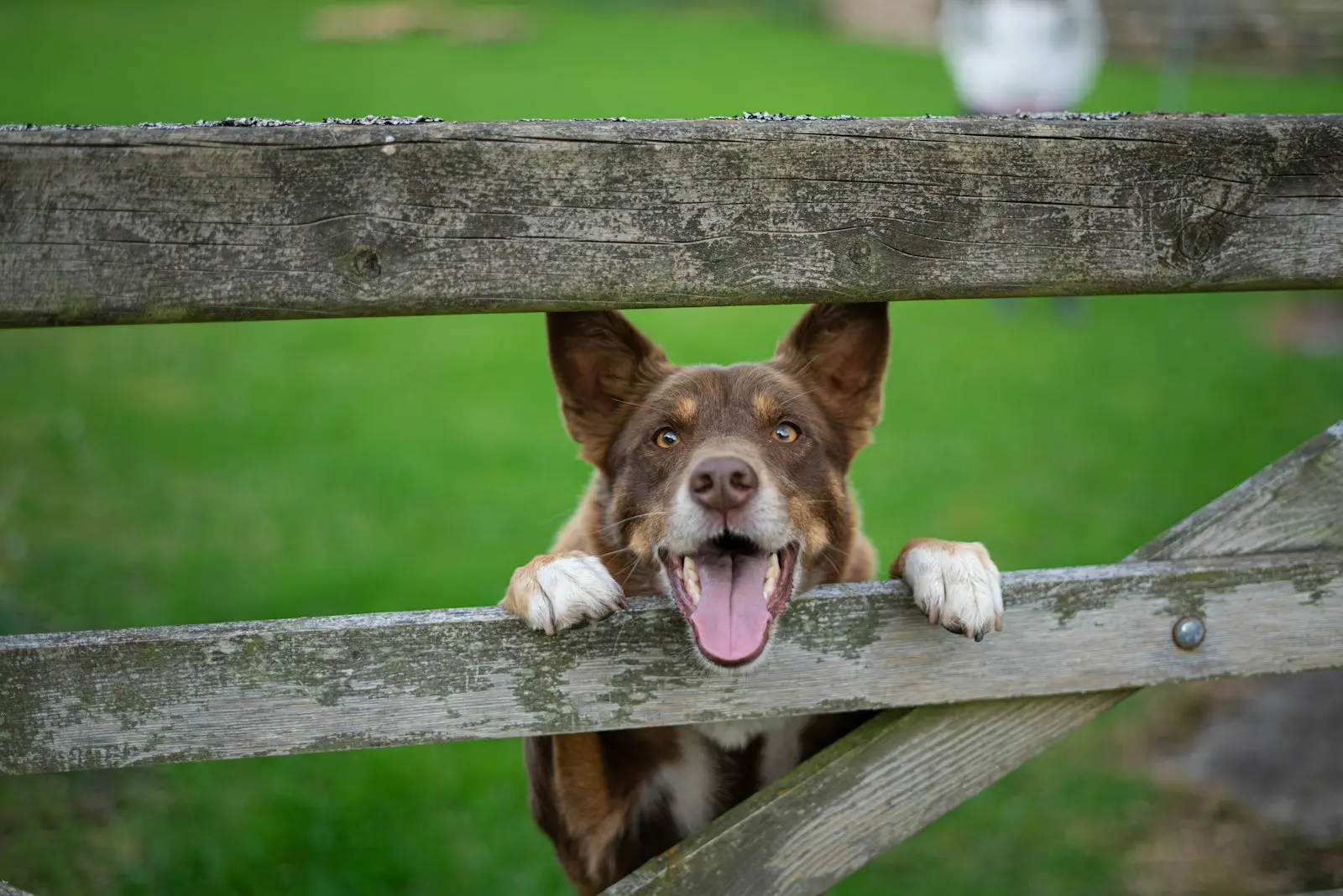
Most people asking about small guard dogs want a yard dog that lives in the house and still warns off trouble. Be honest about what that gets you.
A small dog can be a useful alarm. A terrier or a feisty small breed will bark at a hawk’s shadow or a fox at the fence line, and that noise alone moves on a lot of casual predators. What a small dog cannot do is fight a coyote or a determined stray. If that is your threat, a small dog is a smoke detector, not a fire department.
If a large LGD is not an option for you, pair a small alert dog with a secure coop and run. The dog tells you something is wrong. The hardware keeps the birds alive until you get there.
Guardian animals when a dog is not the right fit
Dogs ask a lot of you. They need training, space, vet care, and a long commitment. When that is more than you want, these animals each cover part of the job.
Geese
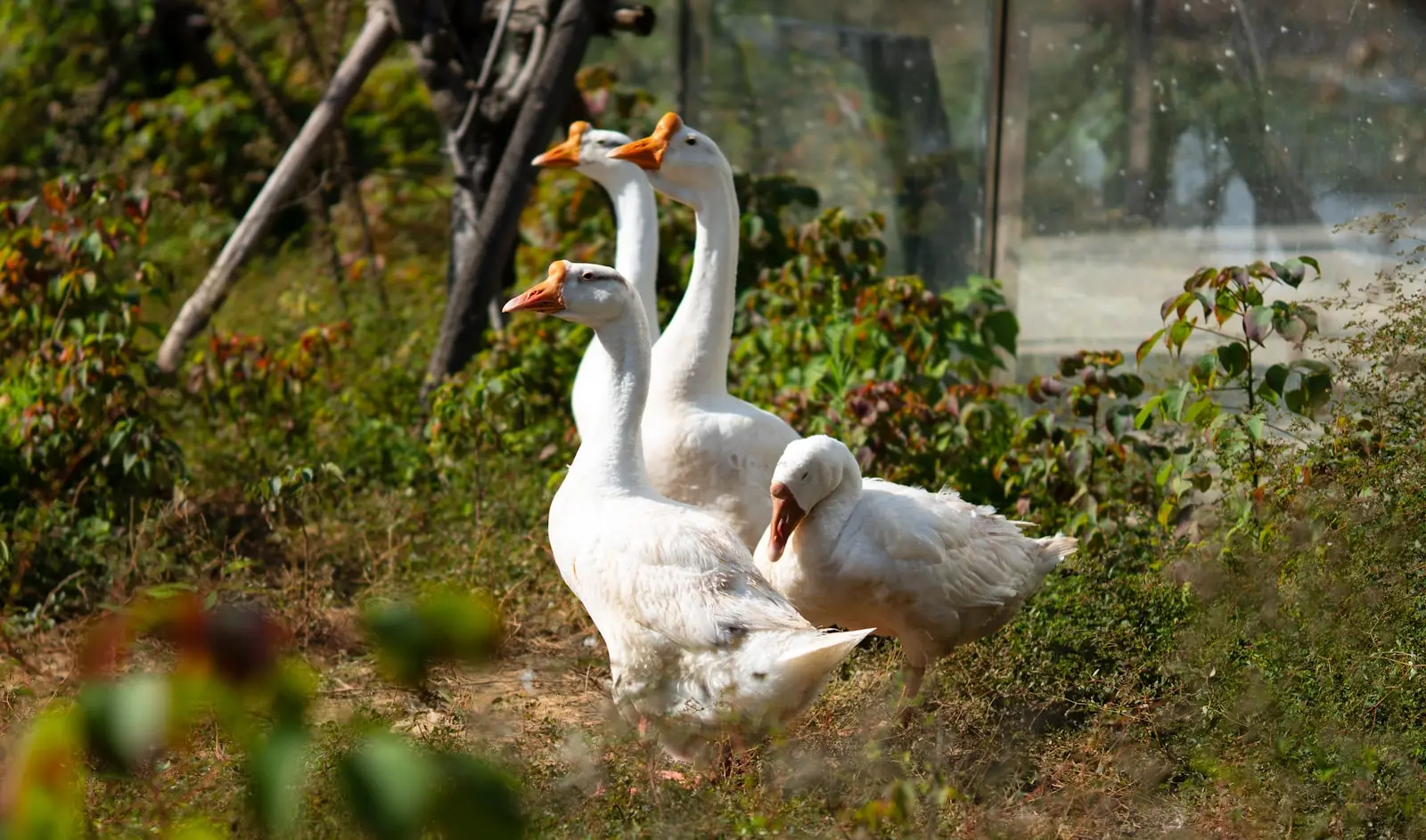
Geese are loud, territorial, and cheap to keep alongside chickens. A goose will not fight a coyote, but its honking is a genuine alarm system, and big breeds like African and Toulouse will run off raccoons, cats, and other small predators. For a backyard flock, a pair of geese is one of the simplest upgrades you can make.
The trade-off is temperament. Ganders can bully smaller hens and turn on people during breeding season. Raise goslings with your chicks so they grow up as one flock, and give everyone enough space to spread out.
Guinea fowl
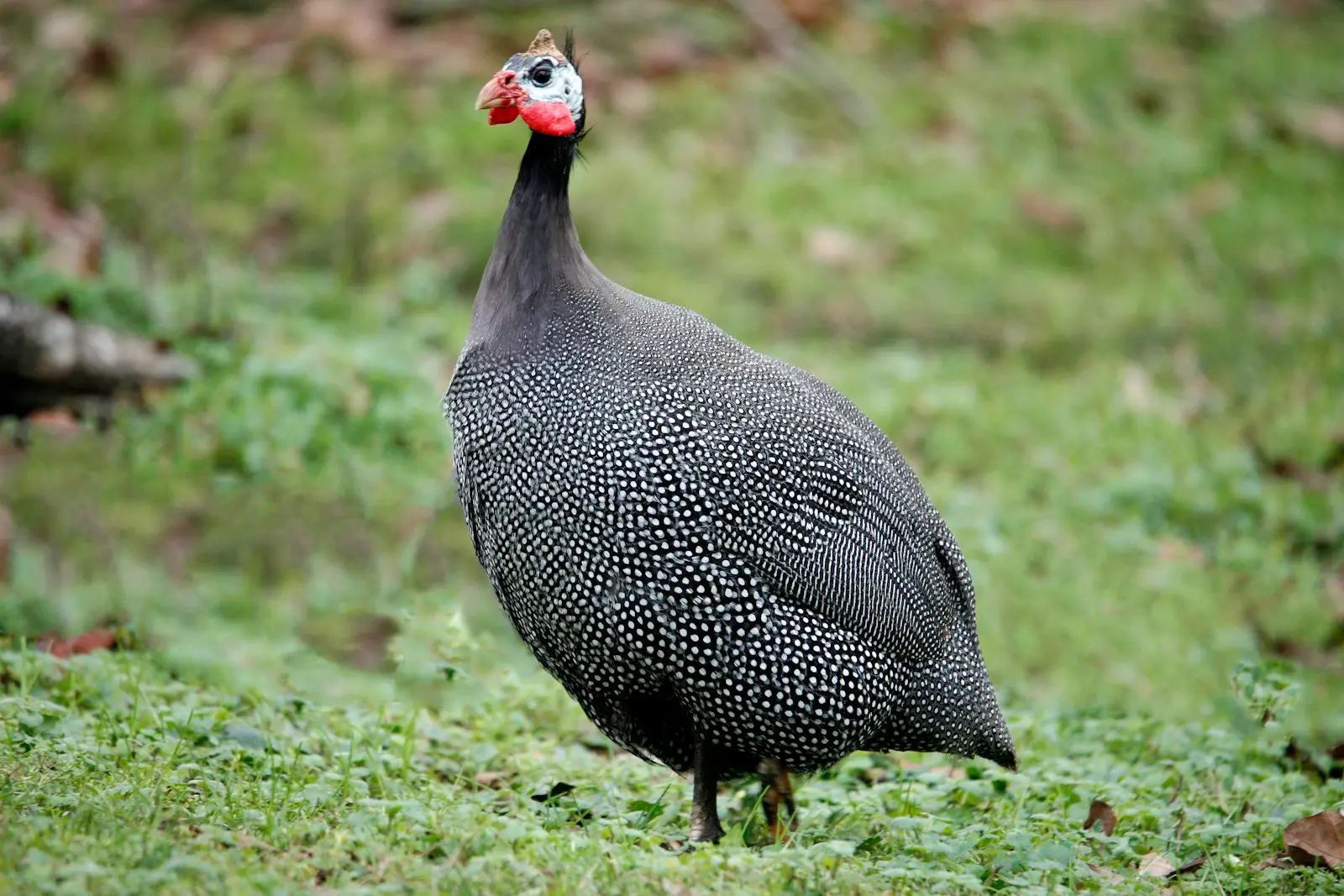
Guinea fowl are the early-warning specialists. They are loud, alert, and quick to mob snakes, rats, and weasels. They also eat ticks by the hundreds, which is a real bonus if you run birds on pasture. They cost little and live much like chickens do.
They have downsides. They are noisy enough to annoy close neighbors, they wander off if you let them, and they are hard to herd or train. Think of guineas as an alarm and pest patrol, not as muscle.
Donkeys
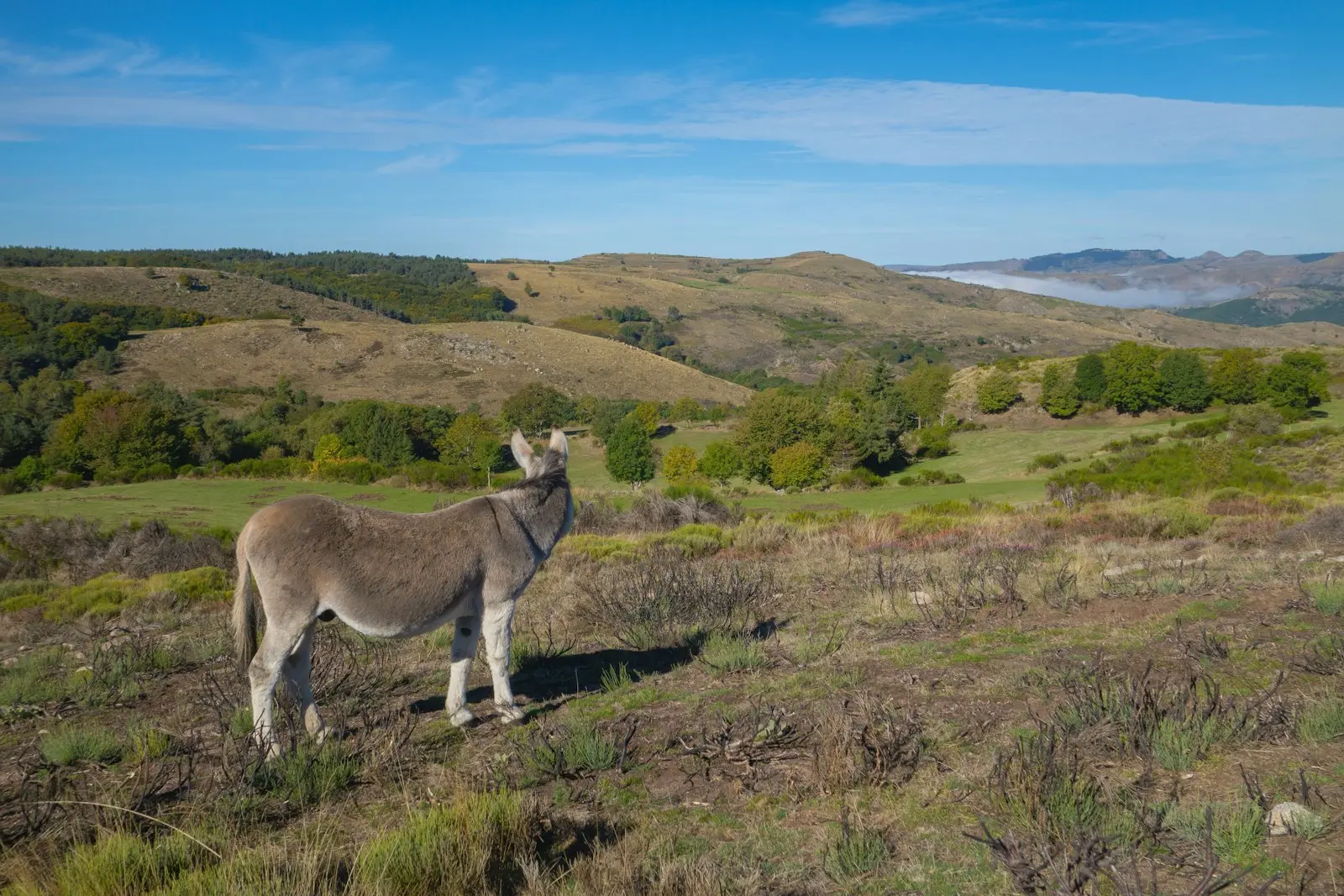
A guard donkey works well if you already keep larger animals and have the acreage. Donkeys hate canines by instinct. They bray loud enough to wake you, and they will chase, kick, and stomp a fox or coyote that comes into their field.
Two cautions. A donkey protects its territory, not your chickens specifically, so it helps most when the birds share its pasture. And not every donkey has the guarding instinct, so a quiet, untested animal may ignore threats entirely. Donkeys also need their own feed, shelter, and regular hoof and dental care.
Llamas and alpacas
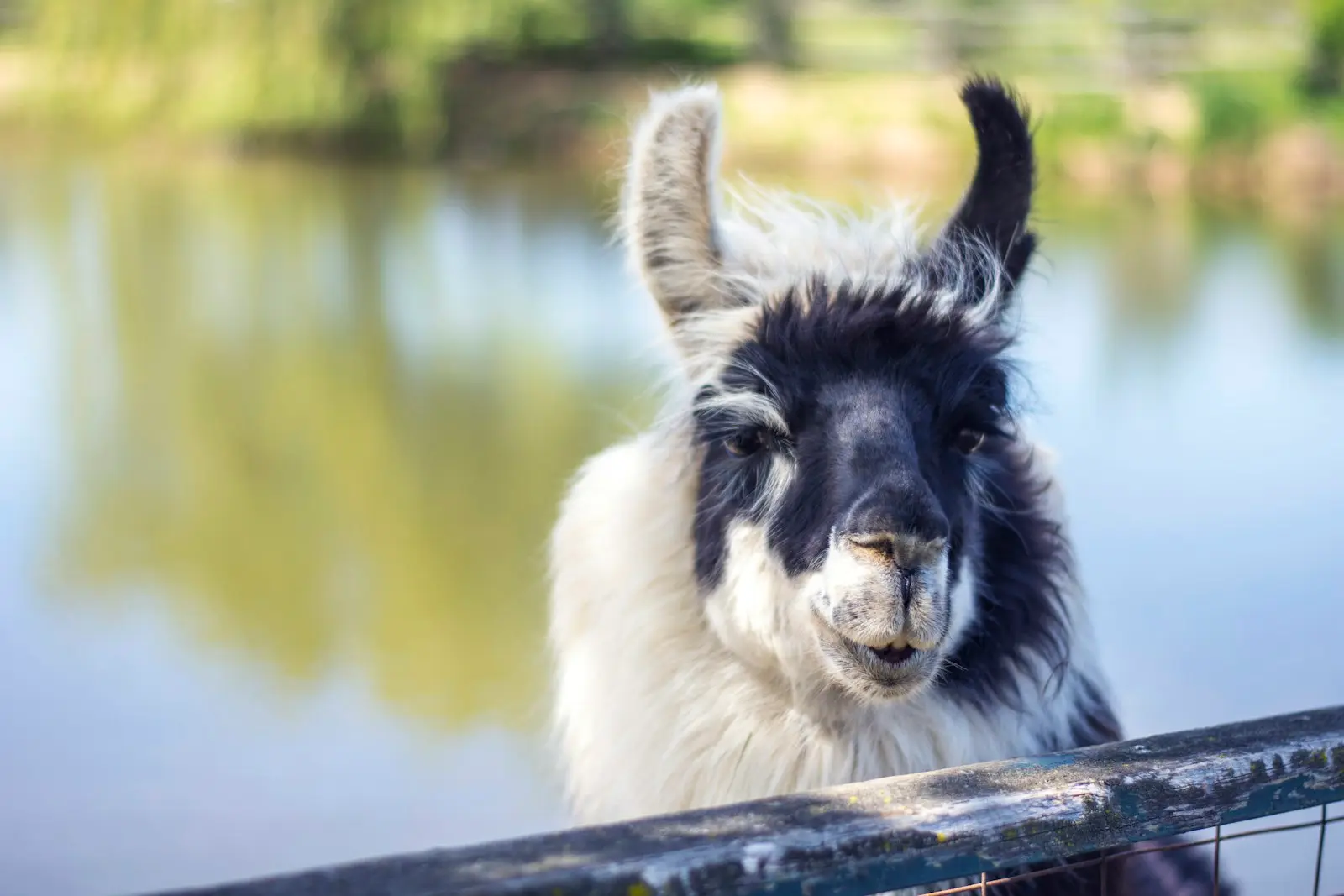
Llamas share the donkey’s dislike of canines and add height and a loud alarm call. A gelded male llama raised with smaller stock can be a steady guardian against foxes and coyotes. Alpacas do similar work and are gentler around small birds, which suits a smaller flock.
Both need shearing, nail trims, and routine vet care, and both do best with a companion. Like donkeys, they guard their space rather than the chickens by name, so keep the flock in the same area.
Roosters
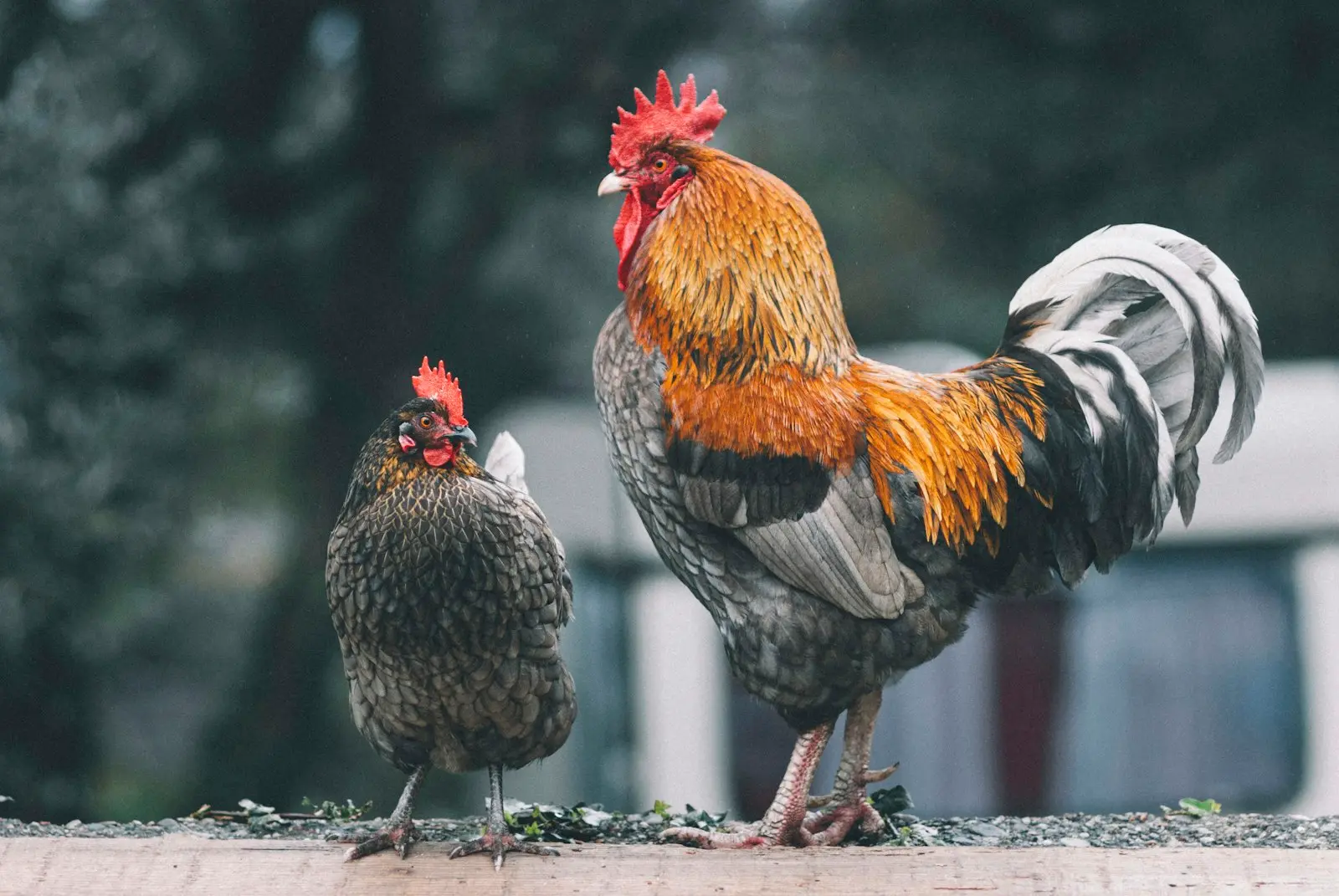
A rooster is not a true guardian, but he is the first warning your hens get. A good rooster breed watches the sky, sounds the alarm at a passing hawk, and will throw himself at a snake or rat to buy his hens time to run for cover.
He cannot stop a coyote or a determined stray dog, and an overly aggressive rooster can injure hens or people. Treat him as part of the system, paired with cover and a real guardian, not as the whole defense.
How to choose the right guardian animal
Work through four questions in order.
What is killing your birds? Match the guardian to the threat. Coyotes, foxes, and stray dogs call for a dog, donkey, or llama. Raccoons, cats, and snakes are within reach of geese and guinea fowl. For hawks and owls, no animal replaces overhead cover and a secure run, though a rooster and a loud goose help.
How big is your flock? A handful of backyard hens does not need a 100-pound dog. Geese, guineas, or a rooster fit a small flock. A large or pasture-raised flock spread over acreage is where a guardian dog, donkey, or llama earns its keep.
What is your climate? Heavy-coated dogs like the Great Pyrenees handle cold well and can struggle in Southern heat, where an Anatolian or Akbash does better. Donkeys and guineas tolerate heat well. Geese handle cold as long as they have shelter and water. Give any guardian shade, water, and a windbreak and most will adapt.
What can you actually care for? A dog is a years-long commitment of training, feed, and vet bills. A donkey or llama needs acreage and farrier or shearing visits. Geese, guineas, and roosters live much like your chickens already do. Pick the guardian whose work you can keep up, because a neglected guardian protects nothing.
What about protecting chickens from dogs?
Loose neighborhood dogs kill more backyard flocks than people expect, and the fix is different. You cannot easily train another animal to stop a dog that is not yours. A livestock guardian dog will confront an intruding dog, and a donkey or llama will chase one off its pasture, but your strongest tool here is a fence.
A solid run with buried hardware cloth and a covered top keeps stray dogs out the same way it keeps wild predators out. If a specific dog keeps coming back, that is a conversation with the owner or animal control, not a job for a goose.
Pair any guardian with a predator-proof coop
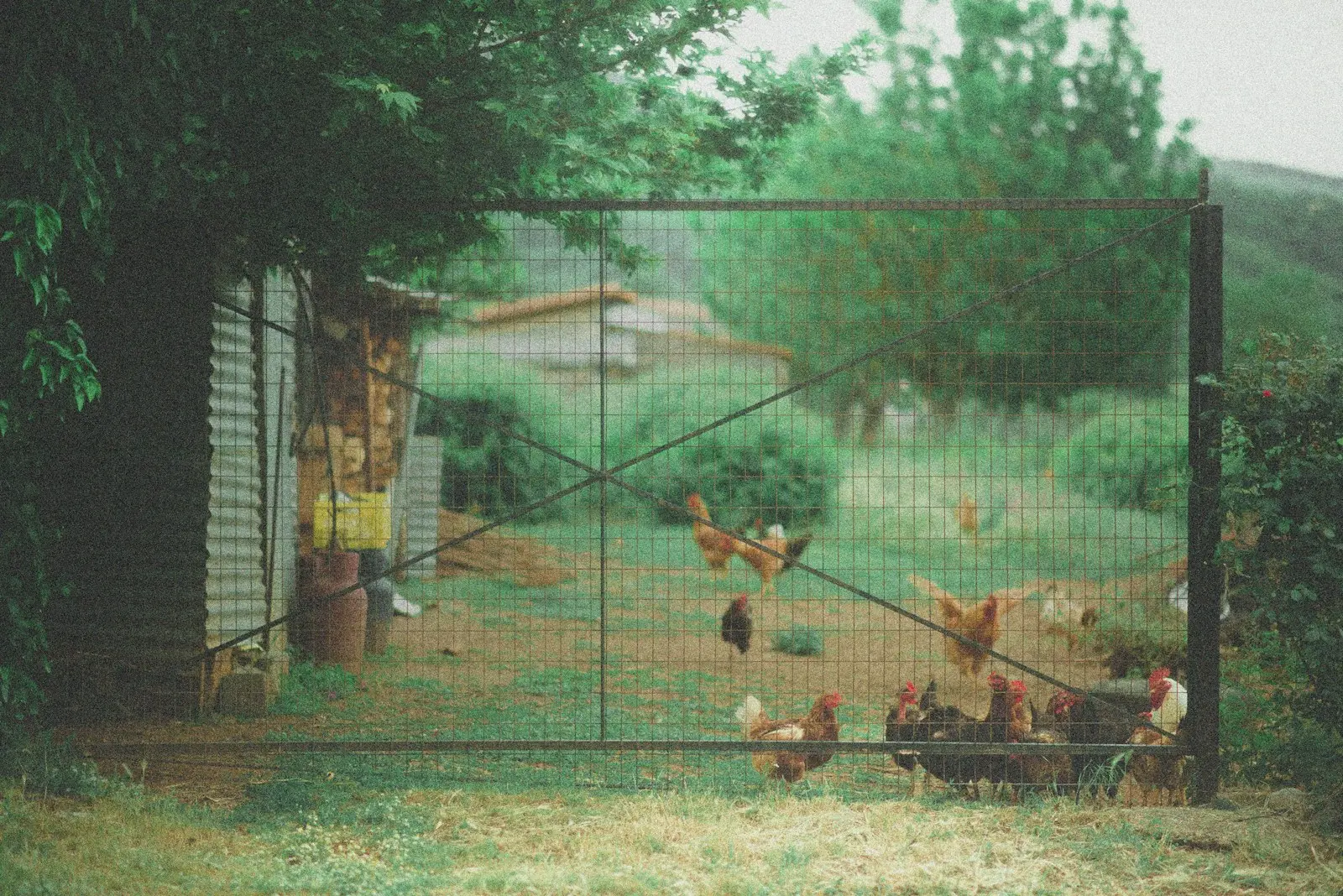
No animal on this list works alone. The best setups combine a guardian with hardware that holds the line when the guardian is on the far side of the field. Use hardware cloth instead of chicken wire, bury it along the base to stop diggers, lock up at dusk, and cut back the brush and woodpiles where predators hide.
If you are still building out your setup, start with a secure run. Our guide to building a chicken run walks through the materials that actually keep predators out, and the post on keeping skunks away from chickens covers one of the sneakier nighttime threats.