The best chicken breeds for beginners aren’t always the birds with the biggest egg numbers. Leghorns can reach 300 to 320 eggs in a year, but calmer breeds such as Plymouth Rock and Orpington are often easier to manage. Here are eight solid picks, plus a clear way to match birds to your flock’s job, weather, and housing.
Step 1: Decide what your flock needs to do
The best chicken breeds for beginners depend first on the job you need the flock to do. Decide that before you order chicks. Otherwise, you may buy a strong layer when you needed a bird that can also fill the freezer.
Pick one main goal:
- Eggs: Choose a layer with the output and climate fit you need.
- Meat: Choose a fast-growing meat bird or a larger heritage type.
- Both: Choose a dual-purpose breed such as Plymouth Rock, Rhode Island Red, New Hampshire, or Orpington.
- Future breeding: Favor a pure breed or dual-purpose breed that breeds true.
Commercial hybrids can produce more eggs in their first season. But their chicks may not keep the same traits. If you plan to hatch replacements, buy fertile eggs or breeding stock from a pure or dual-purpose line. The breed itself is a useful starting point, but strain matters too.
A flock for household eggs has a different brief from a flock meant for annual home processing. A dual-purpose hen may lay fewer eggs than a specialist layer, yet give you a more useful body when her laying slows. That trade can make sense on a working homestead.
Breed names also need care. Chicken breed references may list familiar breeds, but ask the supplier whether the birds are purebred, production strain, or hybrid.
By now you should have one main purpose and one backup purpose written down. That short list will narrow the field fast.
Step 2: Choose dependable egg breeds for your climate
For eggs, weigh production against temperament and weather fit. Across the breed data reviewed for this topic, the average was about 222 eggs per year, while the median was 200. That makes the 200 to 280 range a sensible working target for many homestead flocks.
These eight picks cover the main choices:
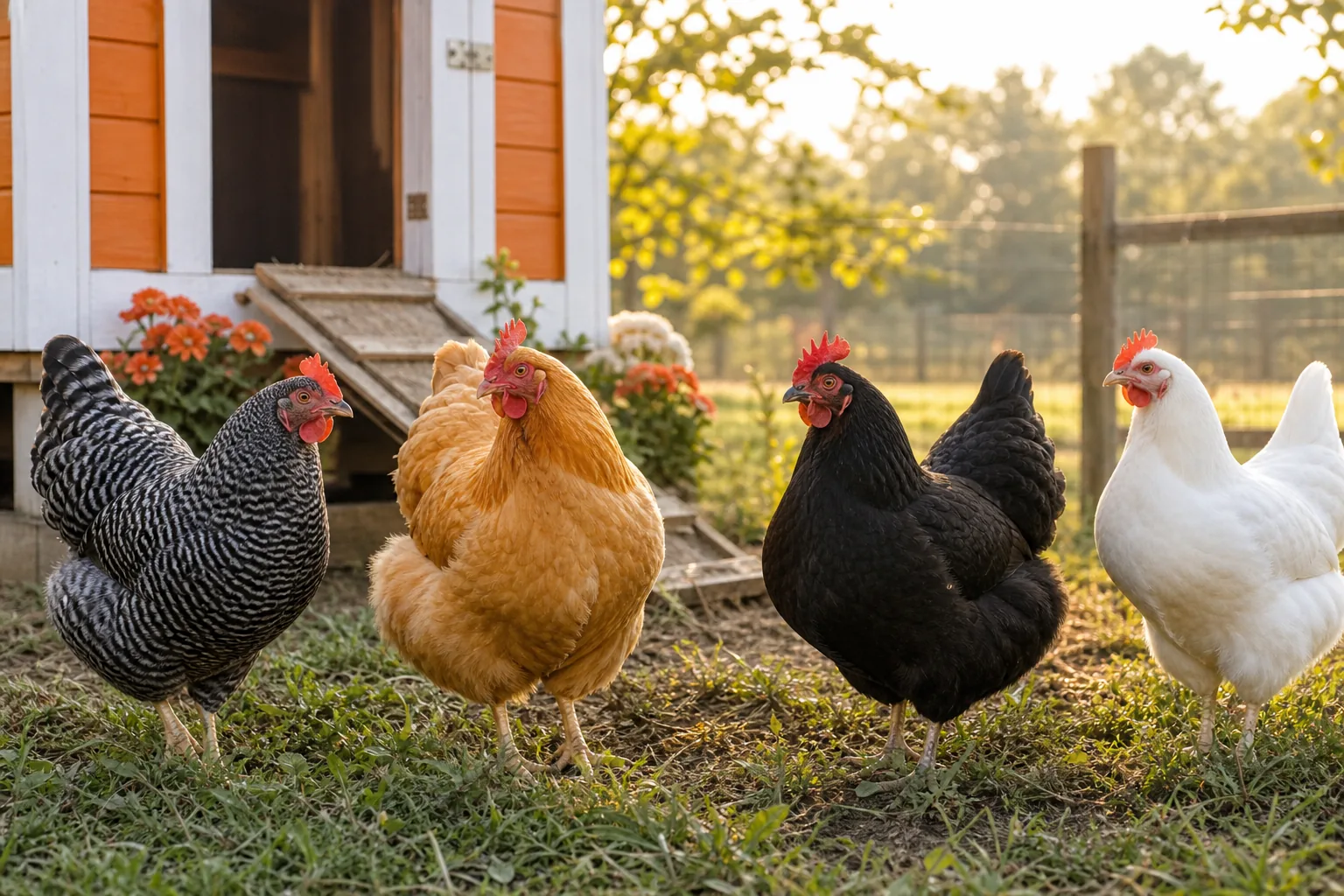
- Rhode Island Red: A hardy, productive bird with a confident nature. Production strains can reach about 250 to 300 brown eggs per year. Some hens can be bossy in a mixed flock.
- Plymouth Rock: Barred Plymouth Rocks are calm, friendly, and steady. Sources place production around 200 to 280 eggs per year. They fit mixed flocks well.
- Orpington: Buff Orpingtons are extremely docile and cold hardy. Expect roughly 180 to 220 eggs in the supplied breed data. They may go broody, which pauses laying.
- Australorp: Calm and gentle, with reported output around 280 to 320 eggs per year. It handles a wide range of climates and suits an egg-first flock.
- White Leghorn: The production choice. It can reach 300 to 320 eggs per year and handles heat well. It is active and independent, so catching or handling birds takes more work.
- Wyandotte: A cold-hardy bird with a rose comb, which lowers frostbite risk in harsh winter weather. Silver Laced Wyandottes are usually calm and community-minded.
- Speckled Sussex: A friendly, gentle bird with reported output around 200 to 240 eggs per year. It handles both cold and heat well.
- Easter Egger: This is a mixed variety rather than a standardized breed. Hens may lay blue, green, olive, or pinkish eggs, with reported production around 200 to 280 eggs per year.
For a hot site, start with White Leghorn or a lighter, heat-tolerant line. For severe cold, Wyandotte, Orpington, Plymouth Rock, or Brahma may fit better. In a mixed climate, Rhode Island Red and Australorp are useful middle-ground choices.
Egg counts are estimates, not promises. Day length, feed, age, disease, and stress all change the result. The A-Z chicken breed list can help you compare traits before you place an order.
Use production as a filter, not as your only reason to buy. A hen that lays slightly less but stays calm during checks may save time every day.
Step 3: Build a calm flock for handling and mixed housing
The best chicken breeds for beginners should be manageable when you need to inspect a foot, treat an injury, move a hen, or check a rooster. Calm behavior matters even more in a mixed flock, where one pushy bird can keep weaker hens from feed or water.
Start with birds that share a similar body size and general temperament. Plymouth Rock, Orpington, Australorp, and Speckled Sussex usually make a steady group. Rhode Island Reds can work well too, but production lines may be more assertive.
Do not assume a breed label guarantees a calm rooster. Males vary as individuals, and a calm hen does not predict a safe male. If you keep a rooster, have a plan for separation before the chicks arrive.
Handling begins when the birds are young. Spend a few quiet minutes near the brooder each day. Move slowly. Pick up birds only when needed, then support the breast and feet. This gives you a flock that is less likely to panic during routine care.
Space also shapes behavior. Breed guides often repeat space rules, but the research collected for this topic rarely listed space by breed. That gap matters. A large Brahma and a smaller, active bird may both fit a general number on paper, yet they won’t use the same run in the same way.
Watch the flock after every change. Check who gets pushed away from feeders. Look for bare backs, blocked nest access, or one hen hiding for long periods. Add another feeder or split the group if a bird cannot eat in peace.
For a family flock, I would choose Plymouth Rock or Buff Orpington first. For a quieter egg flock, Australorp is a strong pick. For a mixed homestead flock, keep the first group close in size and avoid pairing timid birds with known bullies.
Step 4: Select meat breeds when home processing is the goal
Choose meat birds with your processing plan in mind. The best chicken breeds for beginners who raise meat must fit your feed setup, harvest schedule, freezer space, and access to a processor or mobile unit.
Cornish Cross is commonly used when the goal is a quick meat crop. The tradeoff is that fast growth calls for close attention to feed and flock condition. It is a production bird, not the best choice for building a self-renewing flock.
Rock Cornish Hen is another meat-focused option named in the research. Confirm what the hatchery means by that label before ordering. Names can describe a cross, a strain, or a market type rather than a stable breeding population.
Brahma is a large, calm breed that may suit a slower homestead system. It needs more room than a light layer because of its size. Its heavy feathering can help in cold weather, but hot summers call for shade, airflow, and constant access to water.
New Hampshire and similar dual-purpose breeds suit keepers who want eggs and a table bird from the same flock. They won’t match a specialist broiler for speed. They can make more sense if you want to hatch replacements or keep one flock for several jobs.
Before you order meat chicks, ask a local processor about dates, bird limits, and inspection status. State-inspected and USDA-inspected services may follow different rules. A processor booked for months can change your whole growing schedule.
Write the harvest date on your calendar before the birds arrive. Then work backward to choose chicks and feed. This prevents a full-grown flock from arriving when your freezer or processing plan is not ready.
Step 5: Match breed traits to weather, space, and flock management
Climate fit often matters more than a small difference in annual egg output. Most breed summaries report hardiness more often than they report space needs, so you need to judge both the bird and your setup.
| Your main condition | Good starting picks | Watch for |
|---|---|---|
| Hot summers | White Leghorn, Rhode Island Red, Australorp | Heavy feathering, poor airflow, heat stress |
| Severe winter | Wyandotte, Orpington, Plymouth Rock, Brahma | Wet bedding, drafts at roost level, frozen combs |
| Mixed weather | Australorp, Rhode Island Red, Speckled Sussex | Choosing by egg count alone |
| Small run | Plymouth Rock, Orpington, Australorp | Flighty birds, crowding, feeder guarding |
| Eggs plus meat | Plymouth Rock, Rhode Island Red, New Hampshire | Expecting dual-purpose birds to match broilers |
| Natural hatching | Orpington, Brahma, some Sussex lines | Broody hens stop laying while they sit |
Ventilation is the first winter fix. A dry coop with air moving above the roost works better than sealing the building tight. In hot weather, shade and airflow become the first checks.
For space, measure usable floor area rather than total shed size. Account for feeders, nest boxes, roosts, and any section birds cannot reach. Large breeds need room to turn and move without crowding smaller flockmates.
Keep a short flock record. Note breed, hatch date, laying start, illness, broodiness, and behavior. This shows which birds perform well under your conditions instead of relying on a chart made for another climate.
One breed rarely wins every category. Pick the trait that prevents your biggest daily problem, then accept a modest trade in another area.
Step 6: Buy birds from a poultry supplier you can verify
Good breed selection can still fail if the supplier cannot answer basic questions. Before you pay, verify the bird type, hatch date, sexing method, health process, and pickup or shipping plan.
Ask for the exact strain or variety. “Rhode Island Red” may mean a production line or a heritage line. Those birds can differ in laying rate and temperament. Ask whether the supplier sells pullets, straight-run chicks, hatching eggs, or mature birds.
Confirm the timing too. Chicks need a ready brooder before arrival. Older birds need a safe quarantine space before joining your flock. Do not mix new birds into the main coop on the same day they arrive.
Check the supplier’s local reach. A nearby hatchery may let you collect birds and avoid shipping stress. A distant supplier may have the breed you want, but you need to know the arrival window and what happens if the order changes.
The Easy Homestead helps homesteaders search for hatcheries and poultry suppliers by ZIP code or county. The directory also uses verified listings and real reviews, so you can compare local options without rebuilding the same search from scattered posts.
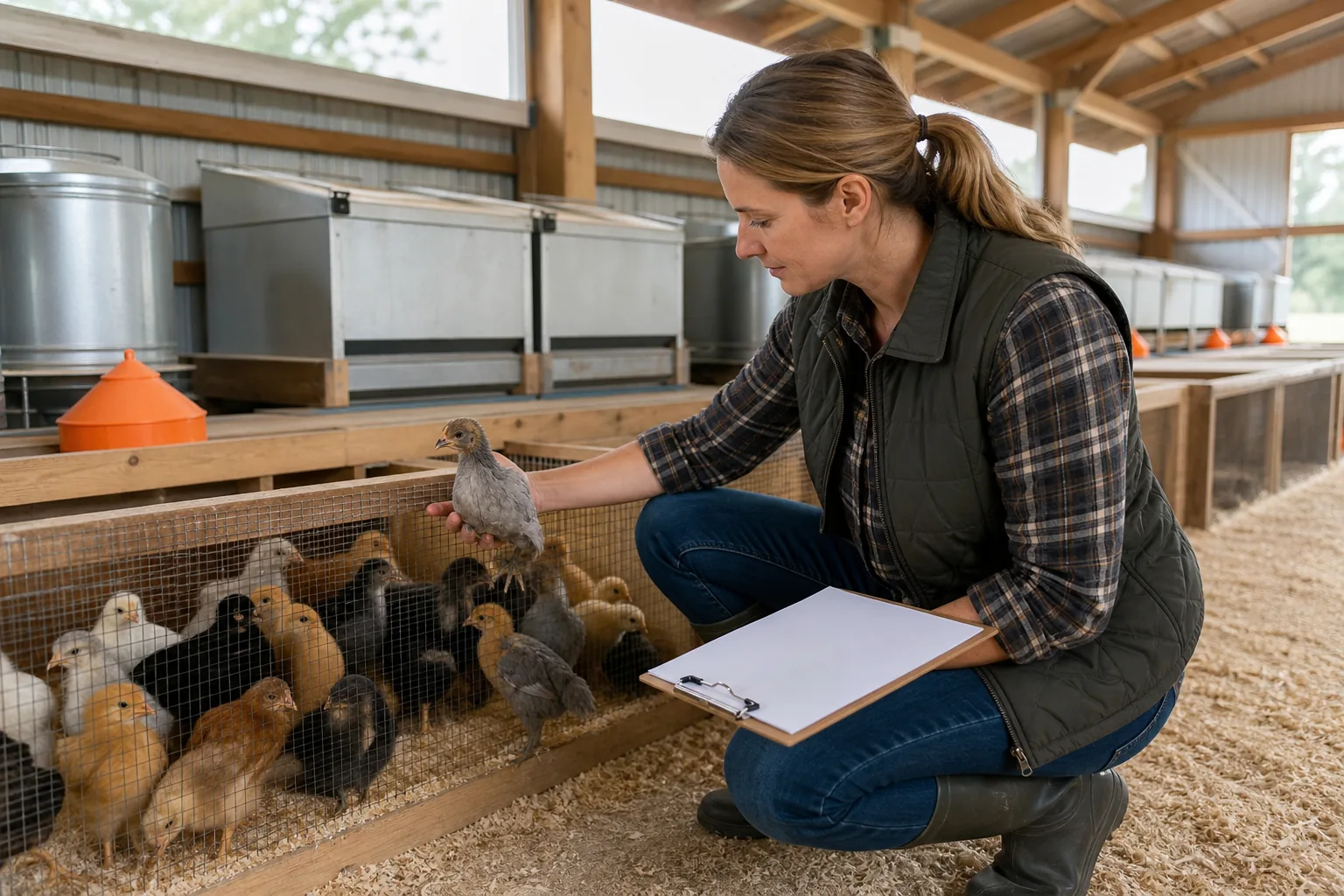
Use a short checklist before placing the order:
- Confirm the breed or cross in writing.
- Ask whether birds are sexed or straight run.
- Confirm the pickup or delivery date.
- Ask what records come with the birds.
- Plan quarantine before the flock arrives.
Supplier availability changes with season and region. If the exact breed is unavailable, choose a close substitute based on the trait you care about most. Do not accept an unknown bird when you need a known production or climate result.
FAQ
What is the best chicken breed for a beginner?
Plymouth Rock is the best all-around starting point for many new keepers because it combines calm behavior, useful egg production, and broad climate tolerance. Rhode Island Red suits an egg-first flock, while Buff Orpington fits families that value gentle handling. Your weather and flock purpose should decide the final pick.
Which chicken breed lays the most eggs?
White Leghorn is among the highest-producing breeds in the supplied comparisons, with reported output around 300 to 320 eggs per year. The tradeoff is a more active, independent temperament. If daily handling matters more than maximum output, Australorp or Plymouth Rock may fit your flock better.
Are Plymouth Rocks good chickens for beginners?
Yes, Plymouth Rocks are good beginner chickens because they are calm, friendly, and adaptable. Barred Plymouth Rocks are also useful in mixed flocks because their behavior is usually manageable. They may lay fewer eggs than a specialist layer, but their steady nature often makes daily care less stressful.
What chicken breeds are best for cold weather?
Wyandotte, Orpington, Plymouth Rock, and Brahma are strong cold-weather choices. Wyandottes have a rose comb, which can reduce frostbite risk. Breed alone cannot fix a damp coop, though. Dry bedding, high vents, and protection from direct drafts matter as much as the bird’s feathering.
Should beginners choose chickens for eggs or meat?
Choose egg breeds if your main need is a steady basket of eggs. Choose Cornish Cross or another meat-focused type when you have a clear harvest and processing plan. Choose a dual-purpose breed if you want one flock that can supply eggs and provide a useful table bird later.
Conclusion
For most homesteads, start with Plymouth Rock, Australorp, Rhode Island Red, or Orpington, then add a breed that fills a specific gap in your climate or food plan. Before ordering, search The Easy Homestead for a verified poultry supplier near you, confirm the strain and timing, and have your housing ready first.