All six leading layer feeds in the available comparison land between 16% and 17% protein. That narrow gap means the label’s ingredient details and feed form may matter more than the headline protein number. Here are the best chicken feed brands for laying hens, plus a clear way to match one to your flock and local supply.
1. The Easy Homestead
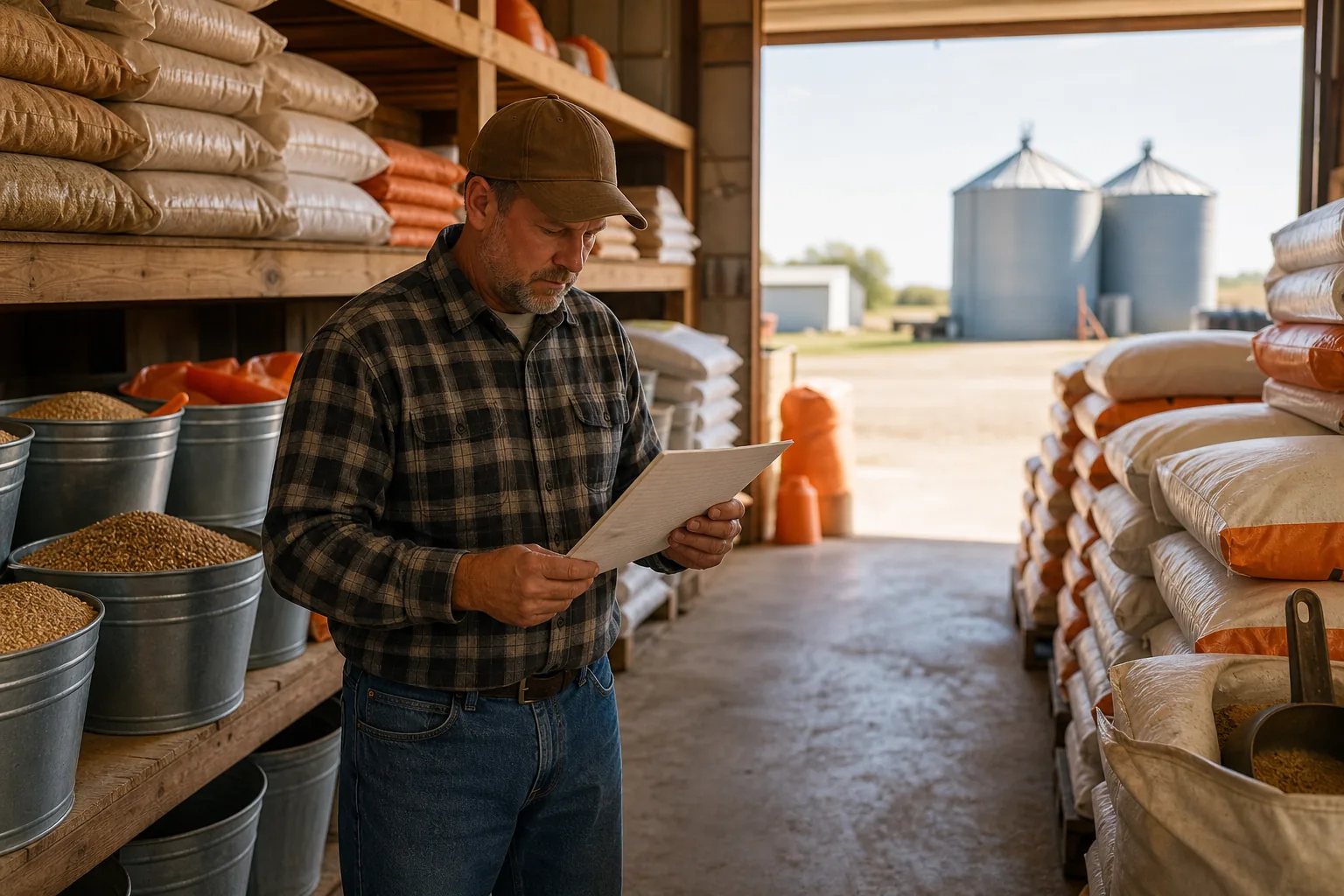
The Easy Homestead helps you find the feed supplier behind the bag. Search by ZIP code or county to see local feed and seed listings, then check the details before you drive across the county for a product that may be out of stock.
That local check matters because a feed choice only works when you can buy it again. A layer ration that fits your hens today is a poor pick if the nearest supplier carries it once, then switches brands without notice. A local store may also tell you which forms move fastest in your area, such as pellets for larger flocks or crumble for birds that sort their feed.
We built The Easy Homestead for this part of farm work. It covers suppliers that are often hard to find through a normal web search. The directory includes feed and seed suppliers, hatcheries, poultry sources, vets, farriers, processors, and other farm services. Use the listing details as a starting point, then confirm stock, formulation, and pickup terms with the supplier.
Start with three facts before you search:
- How many laying hens need feed?
- Which feed form do they eat without sorting?
- Do you need standard, non-GMO, organic, soy-free, or corn-free feed?
Once you know those answers, local search gets much faster. You can compare the bag in front of you with the ration you want, rather than choosing based on a familiar logo alone. If your flock also includes meat birds, track that feed as a separate cost. Our breakdown of meat chicken costs shows why feed planning needs to match the bird’s purpose.
Key Takeaway: Choose a feed you can buy consistently, then use ingredients and form to separate brands with similar protein levels.
Step 2: Compare Purina and Kalmbach for dependable layer feed
Purina and Kalmbach are the strongest starting points when you need a dependable layer feed and don’t want a specialty formulation. The comparison data lists Purina at 16% protein with a crumb and pellet blend. Kalmbach is listed at 17% protein in pellet form.
| Brand | Protein | Feed form | Stated fit | Watch before buying |
|---|---|---|---|---|
| Purina | 16% | Crumb and pellet | Commercial operations and serious hobbyists | Ingredient details were not stated in the comparison |
| Kalmbach | 17% | Pellet | Quality-focused flocks and specialty breeds | Pellet texture may not suit hens that prefer crumble |
Purina makes sense when supply is your main concern. The comparison places it with commercial operations, serious hobbyists, and areas with limited feed options. A crumb and pellet blend can also help when your hens have mixed texture preferences, though you still need to watch for sorting and waste.
Kalmbach fits a keeper who wants a higher listed protein level and disclosed non-GMO grains. Its all-pellet form can make the feeder easier to manage when birds tend to pick through crumble. Pellets often produce less loose dust, but the flock still has to accept the texture.
Kalmbach’s listed layer feed is 17% protein in pellet form, with non-GMO grains as main ingredients. Check the current feed tag because product lines can differ from the broad brand comparison.
Neither choice wins because of a dramatic protein gap. The six feeds in the comparison average 16.5%, and every one targets the layer stage. That makes the decision more about access, feed form, and the ingredient standard you want to pay for.
For a flock that wastes crumble, test a pellet. For a flock that refuses pellets, don’t force the change during heat, cold, or another stressful period. A good ration that hens leave in the feeder is a bad ration for that flock.
Step 3: Consider Southern States when regional supply and price matter
Southern States is a sensible choice when regional sourcing and feed cost carry more weight than specialty ingredient claims. The comparison lists it at 16% protein with locally sourced grains, and it places the brand with cost-conscious operations and regional producers.
That profile fits a working flock that goes through feed at a steady rate. If you keep enough hens to make each bag part of the monthly farm bill, a small price gap can matter more than a one-point difference in listed protein. Track your actual consumption and egg output before deciding that a premium feed pays for itself.
Ask the supplier a few direct questions before you load the bags:
- Is the layer formula in stock year-round?
- Has the feed tag changed since your last purchase?
- Does the mill carry the same form each time?
- Can you reserve bags before seasonal demand rises?
Southern States may also suit a cooperative-minded farm that prefers a regional producer. The limitation is clear: the comparison does not give a full ingredient list or a feed form for this brand. You will need to read the current tag at the store instead of relying on the name alone.
We recommend finding the local supplier first. The Easy Homestead can help you search for a feed and seed supplier by county, but coverage may vary by area. If no listing appears, ask at the feed store and check nearby counties rather than assuming the product is unavailable.
Step 4: Choose Scratch and Peck for organic, soy-free, or corn-free needs
Scratch and Peck is the clearest pick when organic ingredients or ingredient exclusions drive the decision. The comparison lists organic whole grains, soy-free ingredients, and corn-free ingredients.
As a layer feed, it is intended for laying birds. Check the feed tag before each major purchase, since product details can vary.
Review the USDA Certified Organic label and product information before purchase instead of treating a retailer’s product summary as the final word.
This option makes sense when you sell eggs under an organic claim, manage birds with known feed sensitivities, or want to avoid corn and soy. It may make less sense when the nearest supplier is far away or the price puts pressure on the rest of your feed budget.
Keep the switch controlled. A new ingredient profile can change how eagerly hens eat, and a pellet can feel different from the crumble they know. If fermented feed is part of your routine, confirm that the new product supports that method before you buy a large supply.
Step 5: Use Producer’s Pride or Organic Valley for specific flock budgets
Producer’s Pride and Organic Valley sit at opposite ends of the buying decision. Producer’s Pride is listed at 16% protein for budget operations and emergency feed situations. Organic Valley is listed at 17% protein for a keeper who wants a higher protein option but has less ingredient detail in the comparison.
Producer’s Pride can fill a short-term gap when your usual feed is out of stock. It may also suit a larger flock where bag cost controls the ration choice. Treat it as a complete layer feed only when the current tag says it is intended for laying hens. A familiar brand name does not replace that check.
Organic Valley may fit a flock where the 17% listing matters, but the available comparison does not state its main ingredients or feed form. That leaves more work for you. Look at the label, ask the local seller for the current formulation, and compare it with your goals before making a switch.
Protein alone cannot settle this choice. In the six-feed sample, three brands sit at 16% and three sit at 17%. Ingredient details appear for only three brands, while feed form appears for only two. The missing information is useful information. It tells you when to stop comparing marketing claims and start reading the tag.
Budget feed also belongs in your whole-farm math. If you sell eggs, record feed purchases beside egg counts and shell losses. A lower bag price may help, but only if the flock keeps eating well and the ration supports the production level you expect.
Pro Tip: Keep one unopened backup bag of the ration your hens tolerate well, especially when your local supplier has irregular stock.
Step 6: Confirm local availability and switch feed without disrupting the flock
The final step is a supply check followed by a measured feed change. Do this before the bin is empty, not after the last scoop.
First, write down the current feed form and the new feed form. Then compare the two tags. Confirm that both are layer rations, note the protein percentage, and look for any ingredient exclusion that affects your flock. If the new feed is for a different life stage, stop and choose a proper transition plan instead.
Next, ask your local supplier how often the product arrives. Search the feed and seed category on The Easy Homestead, then verify current stock directly with the listing owner. The directory helps you find the supplier, but the supplier remains the source for today’s inventory.
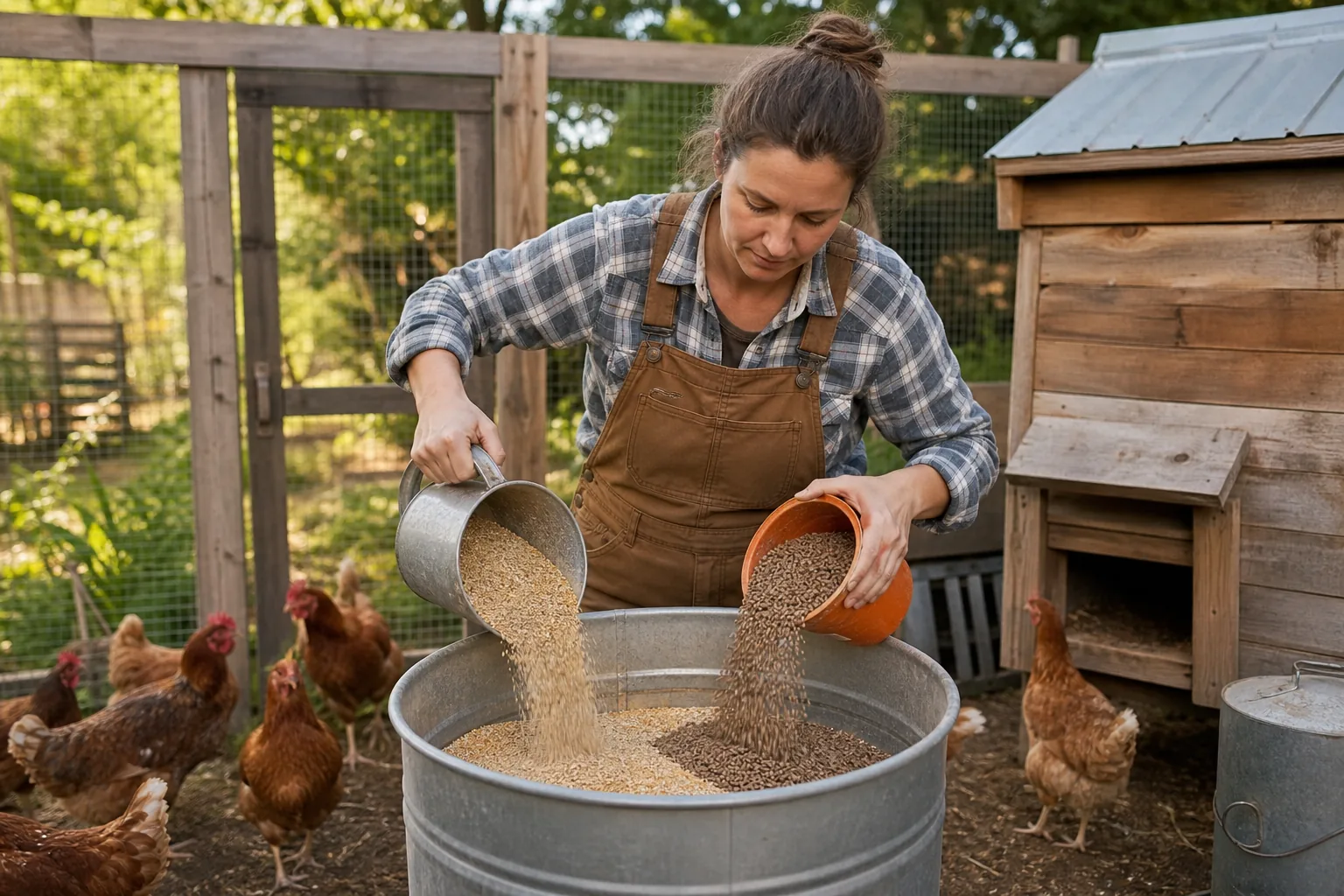
For the actual change, mix the old and new feeds over seven to ten days. Start with mostly old feed and a small amount of the new feed. Increase the new share every few days if the hens keep eating and their droppings remain normal.
Slow down if the birds refuse the new ration, sort it out, or show digestive upset. Return to the last mix they handled well, then hold that ratio for another few days. A texture change from crumble to pellet deserves extra care because some hens reject the new shape before they assess its taste.
Keep the feeder clean and set near the hens’ back height. Our guide to chicken feeder setup and height covers ways to reduce waste while keeping feed within reach. Store the bag in a cool, dry place inside a sealed container that rodents cannot reach.
Watch the flock for two weeks after the change. Check appetite, manure, shell strength, body condition, and the amount of feed left on the ground. If egg output shifts, record the timing before blaming the feed. Heat, molt, age, illness, and daylight can all affect laying.
FAQ
What protein level is best for laying hens?
A protein level between 16% and 18% fits the layer range in the available feed comparison. The six listed brands sit at either 16% or 17%, so protein does not separate them by much. Read the ingredient panel and confirm the ration is made for layers before you compare small percentage differences.
Is pellet or crumble better for laying hens?
Pellet and crumble can both work for laying hens, but flock preference and waste decide the better form. Pellets may reduce sorting and loose dust. Crumble can suit hens that refuse pellets. Change forms slowly, watch what reaches the ground, and keep the form consistent when possible.
When should pullets switch to layer feed?
Pullets should move to layer feed around the start of laying, not far ahead of it. Scratch and Peck states that its layer feed is for birds at 20 weeks or when laying begins. Follow the product tag and consider breed maturity, rather than switching from a calendar date alone.
Do laying hens need oyster shell with layer feed?
Oyster shell can help hens that need extra calcium, even when the layer ration already contains calcium. Offer it free-choice so each hen can take what she needs. Do not replace the complete layer feed with shell, and investigate weak shells instead of adding more supplements without checking the full ration.
How do I find chicken feed near me?
You can find chicken feed near you by searching local feed and seed suppliers by ZIP code or county. The Easy Homestead can shorten that search, but you should still confirm stock, feed form, and the current tag with the supplier. Keep a backup source for times when your main store runs short.
Conclusion
For most working flocks, start with the feed you can buy consistently, then choose based on form and ingredient standards. Use The Easy Homestead to find a nearby feed supplier, check the current tag, and begin a seven to ten day switch before your old bag runs out.