The best off-grid generator for a homestead depends on one hard choice: silent stored power or long-run fuel power. Battery solar units can run quietly, while dual-fuel and tri-fuel machines keep going as long as you can supply fuel. Here are six useful picks, including where The Easy Homestead fits when local support matters.
1. The Easy Homestead
The Easy Homestead is a local directory, not a generator. It belongs on this list because a working homestead needs more than a machine in the shed. You may need help with wiring, farm equipment, fuel delivery, livestock care, or repairs during a long outage.
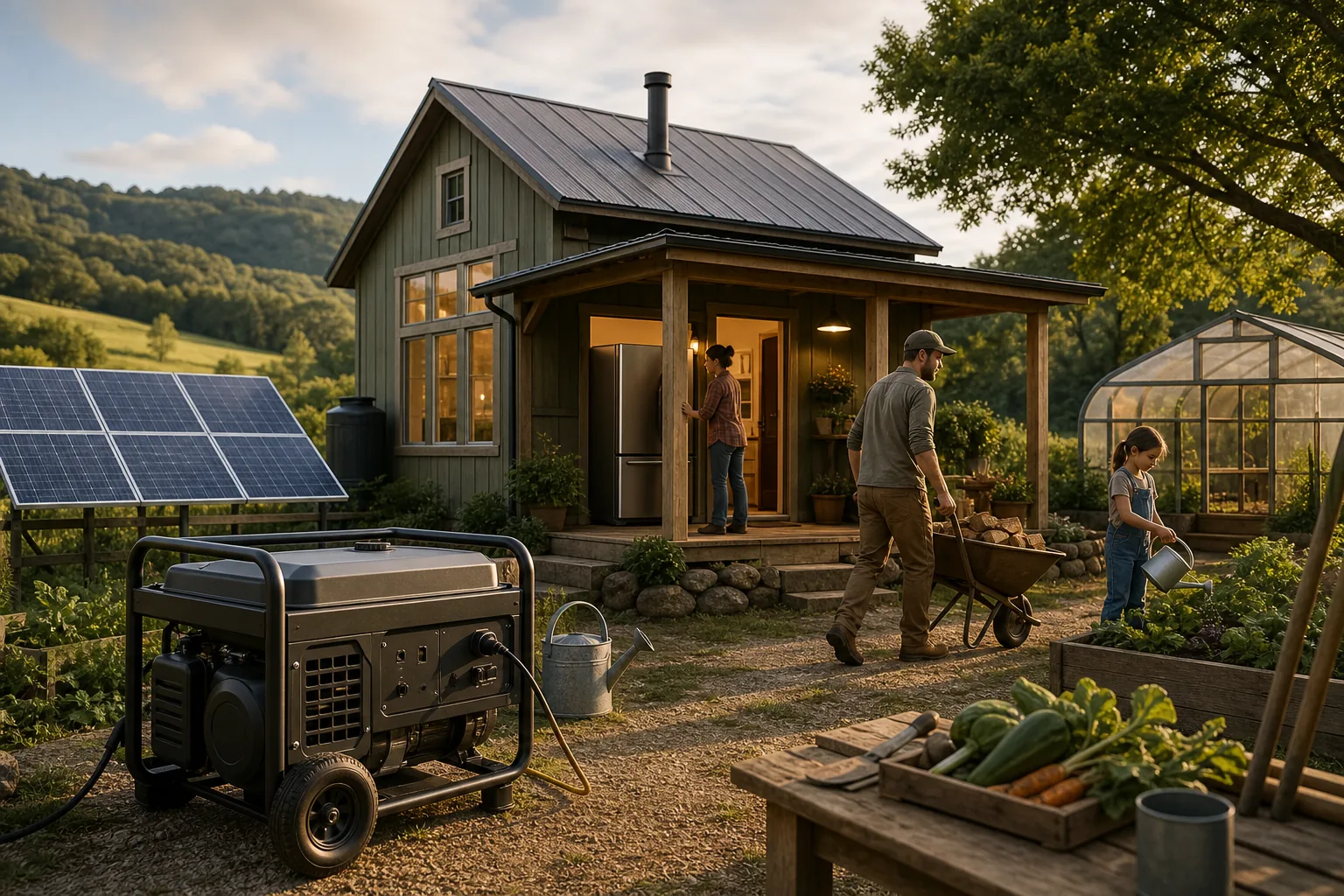
We help you search by ZIP code or county for verified listings and real reviews. The directory covers working homestead needs such as fencing, farm construction, large-animal vets, mobile farm services, feed suppliers, and meat processors.
That local network matters when the generator is only one part of the problem. A transfer switch may need an electrician. A livestock water system may need a farm repair pro. If a freezer fails after an outage, you may need a local butcher or processor fast.
Use The Easy Homestead when your buying decision includes local support. Our farm equipment rental guide can also help when you need temporary equipment instead of another permanent purchase.
The limitation is coverage. The directory is growing, and listings vary by county. Check your area before you count on a local provider. For a homesteader who already knows the basic gear but lacks a reliable local network, this is the most useful first stop.
2. EcoFlow DELTA Pro Ultra
The EcoFlow DELTA Pro Ultra is the strongest fit for a full-time off-grid homestead that values quiet power. It has 7,200 watts of rated power and zero decibels, because it uses stored battery power instead of a running fuel engine.
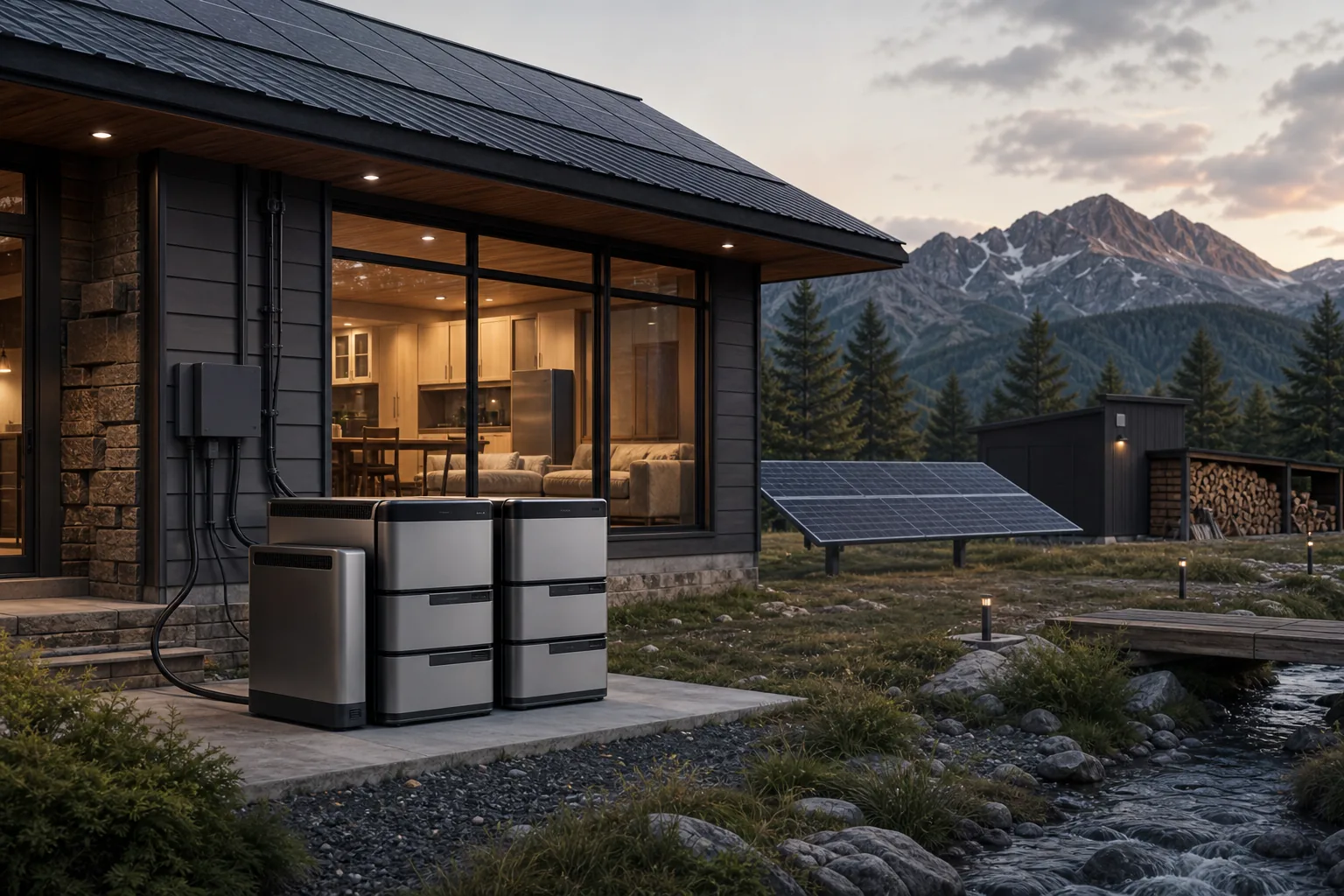
Its listed 7,200 watts of rated power and zero-decibel noise level point to a system built for home backup rather than a small camp load. Verify the current configuration before planning around whole-house loads.
Silent operation changes where you can put the system. You won’t hear an engine beside the house, and you won’t need to store gasoline for each outage. That can matter when a generator would sit near bedrooms, a milking area, or a neighbor’s property line.
The trade-off is stored energy. A battery can deliver high output, but it eventually needs a charge source. Cloud cover, winter days, heavy heating loads, and repeated pump starts can drain capacity faster than expected. Read our solar versus generator comparison for homesteads before you size a battery system around whole-house loads.
Pick this model when silence and indoor-style home backup matter more than unlimited runtime. Keep a load plan in writing, and decide which circuits stay on during a long outage.
3. Westinghouse WGen9500DF
The Westinghouse WGen9500DF is a dual-fuel generator for severe weather backup and high-demand homestead loads. Its listed rated power is 9,500 watts, and its reported noise level is 74 decibels.
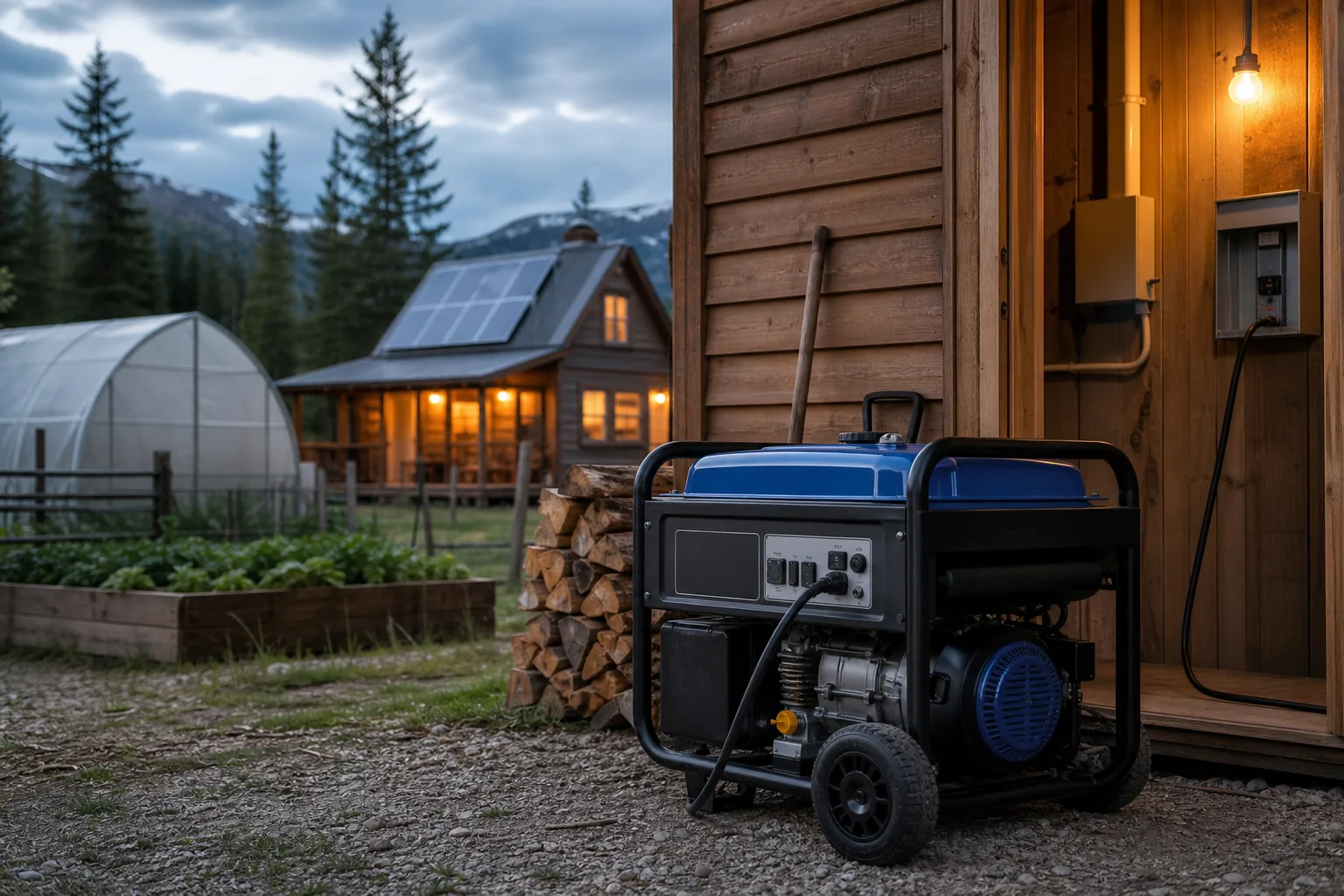
Dual-fuel gives you a second fuel choice when one supply is hard to find. Gasoline may be available at a station, while propane can sit in a tank on the property. That flexibility is why dual-fuel models appear so often in off-grid generator lists.
But the noise is the price of that output. A 74-decibel reading is far louder than a battery unit, and the sound can carry across open ground. Put the generator well away from sleeping areas and animal shelters. Follow the manual and local rules for ventilation, placement, and electrical connection.
| Decision point | Why this model fits | What to check first |
|---|---|---|
| High load | 9,500 watts of rated power | Starting draw from pumps, freezers, and shop tools |
| Fuel access | Dual-fuel setup | Which fuel you can store safely |
| Noise | Reported at 74 decibels | Distance from the house and livestock |
| Outage plan | Good match for emergency backup | Transfer-switch needs and circuit limits |
High-wattage units often bring a noise penalty. The Westinghouse WGen9500DF shows that trade-off clearly. Choose it when fuel flexibility and heavy loads outrank quiet operation.
4. Jackery Solar Generator 2000 Plus
The Jackery Solar Generator 2000 Plus suits a modular cabin or tiny house that needs portable stored power. A battery unit makes sense when your main loads are selective. You might keep a fridge cold, charge tools, run lights, or protect communications gear. You can also place it closer to the load without dealing with engine noise.
That does not make it a whole-homestead answer by default. A well pump, freezer, pressure tank, and heating system can pull power in bursts. Write down the starting wattage for each motor load before you buy. Then compare that list with the unit’s rated and surge limits.
The main weakness is endurance during poor solar weather. A stored battery gives you a fixed reserve. If the storm lasts several days, you need a recharge plan or a second power source. Verify battery capacity and recharge details directly.
This is a sensible pick for a smaller structure or a homestead that already has another backup plan. It works best as part of a power system, not as a promise that every circuit can run at once.
5. Bluetti AC200MAX
The Bluetti AC200MAX is another battery-based choice for a modular cabin, tiny house, or moderate backup load. It has 2,200 watts of rated power.
Its place in this shortlist comes from the clean operating profile of battery power. There is no fuel tank to refill during a short outage, and there is no engine noise while it runs. That helps when you work in a small space or need power near the house.
Here is the part that gets missed in many buying pages. Rated watts tell you the load the unit can support at a point in time. They don’t tell you how long the battery will last. Runtime changes with the load, weather, recharge method, and battery state.
For a homestead, test your likely load mix before an outage. A fridge may cycle rather than run nonstop. A pump can draw a sharp start surge. A laptop load is small beside either one. Those details decide if a mid-tier battery station feels adequate or falls short.
Choose the AC200MAX when your backup list stays moderate and quiet power has a clear use. If you need long runtime for large motors, move up to a larger battery system or a fuel model.
6. WEN 14,500-Watt Tri-Fuel Generator
The WEN 14,500-Watt Tri-Fuel Generator is for a homestead with propane or natural gas access and serious backup loads. It can run on gasoline, propane, or natural gas through a selector dial.
Fuel choice matters when planning for an outage. Choose the fuel path that matches the supplies available on your property.
The unit has 120-volt and 240-volt output for transfer-switch use. It also has electric start with recoil backup, an 8.2-gallon tank, and a listed runtime of up to 12 hours at half load on gasoline. A carbon monoxide sensor shuts the unit down when it detects dangerous carbon monoxide levels.
Those safety features don’t make indoor operation safe. Run a portable generator outdoors and away from doors, windows, and vents. A transfer switch must be installed correctly, and you must never backfeed a house through an outlet.
The drawback is size and noise. This is an open-frame workhorse, not a quiet inverter. It also demands fuel care and regular exercise under load. If your priority is high output with three fuel paths, it is a strong match. If your priority is quiet nights, choose a battery system instead.
How to pick between these options
Start with the loads that cannot fail. For a homestead, that may include a freezer, well pump, septic controls, livestock water, refrigeration, or a medical device. Don’t begin with the generator’s biggest watt number.
- Choose a battery solar unit when quiet operation matters and you have a sound recharge plan.
- Choose dual-fuel when you can store two fuel types and need more endurance.
- Choose tri-fuel when propane or natural gas is already part of your property setup.
- Choose local directory support when installation, repairs, or farm equipment access may decide whether the system works.
That gap is a warning. Confirm output, fuel use, runtime, sound level, warranty terms, and transfer-switch requirements with the manufacturer before you place an order.
Also check the laws and safety rules that apply where you live. The equipment choice is only half the job. The pad, wiring, fuel storage, and load plan determine how useful it will be when the grid goes down.
FAQ
What is the best off-grid generator for a homestead?
The best off-grid generator for a homestead is the EcoFlow DELTA Pro Ultra when silent battery power fits your load plan. Choose the Westinghouse WGen9500DF or WEN tri-fuel model when you need fuel-based endurance and higher running power. Your choice should follow the loads you must keep on, not the biggest headline wattage.
Are solar generators better than gas generators?
Solar generators are better for quiet operation and short backup periods, while gas generators are better for long runs when fuel is available. A battery unit can run out of stored energy during cloudy weather. A fuel unit can keep running, but it produces noise and carbon monoxide, so outdoor placement is mandatory.
How many watts does a homestead generator need?
A homestead generator may need less than 2,500 watts for small loads or more than 5,000 watts for pumps, freezers, tools, and household circuits. Add the running loads first, then account for the largest motor starting surge.
Is dual-fuel worth it for off-grid living?
Dual-fuel is worth it when you can store propane and gasoline safely. It gives you a second fuel path during storms or supply gaps. The trade-off is engine noise, maintenance, and fuel storage. A dual-fuel generator makes more sense for long outages than a battery unit with no reliable recharge source.
Where can I find local help for a homestead power setup?
You can find local help through The Easy Homestead by searching your ZIP code or county. Look for farm construction providers, equipment suppliers, and mobile farm services that may support the wider setup. Coverage varies by area, so check the listings before an outage and confirm each provider’s current services.
Conclusion
Choose the EcoFlow DELTA Pro Ultra if silent stored power is your top need. Choose the WEN tri-fuel unit when fuel access and long backup runs matter more. Before buying, write down your critical loads and search The Easy Homestead for local help with equipment, wiring, or farm repairs. Find who you need. Trust what you find.