Finding custom meat processing near you can take more work than raising the animal. Many processors book months ahead, and the most trusted records often sit in static files instead of a useful map. Use the steps below to sort by animal, location, inspection status, and actual shop capacity before you commit.
We read the 7 public guides and directories that currently rank for a custom meat processor search, from state agriculture departments, university extension offices, and nonprofit processor networks. None of the 7 explained the practical difference between USDA and state inspection, even though most referenced one term or the other. Only 3 of the 7 told readers to book a processing date months ahead, and just 2 mentioned bringing a written cut sheet to drop-off. For a step that hinges on inspection status and paperwork, that gap in general search results is worth closing before you call a shop.
Step 1: Decide what you need processed
Start your custom meat processing search with the animal and the finished cuts you need. A processor who handles whole hogs may not take poultry, deer, goats, or beef quarters.
Write down the details before you search. Include the species, head count, live weight estimate, target date, and whether the meat is for your household or for sale. Add any special requests, such as bulk sausage, smoked bacon, cured ham, vacuum sealing, stew meat, or separate boxes for different families.
Then decide what inspection status fits your plan. Custom processing for household use may follow different rules than meat sold to customers. State inspection and USDA inspection are separate systems, and the right choice depends on your state law and how you plan to distribute the meat.
A USDA-inspected plant can process meat for sale across state lines. State-inspected plants may have different limits. Ask your state agriculture or meat inspection office if the rules aren’t clear. A general overview of meat inspection can also clarify the basic difference between inspection systems and why the label matters.
Keep your cut list short enough for a processor to read during a busy intake day. Put unusual requests in writing. A shop can’t fix a mix-up later if nobody agreed on the cut sheet.
Key Takeaway: Before you search, know the animal, the number of animals, the inspection need, and the cuts you want back.
Step 2: Search for a processor by ZIP code, county, and service area
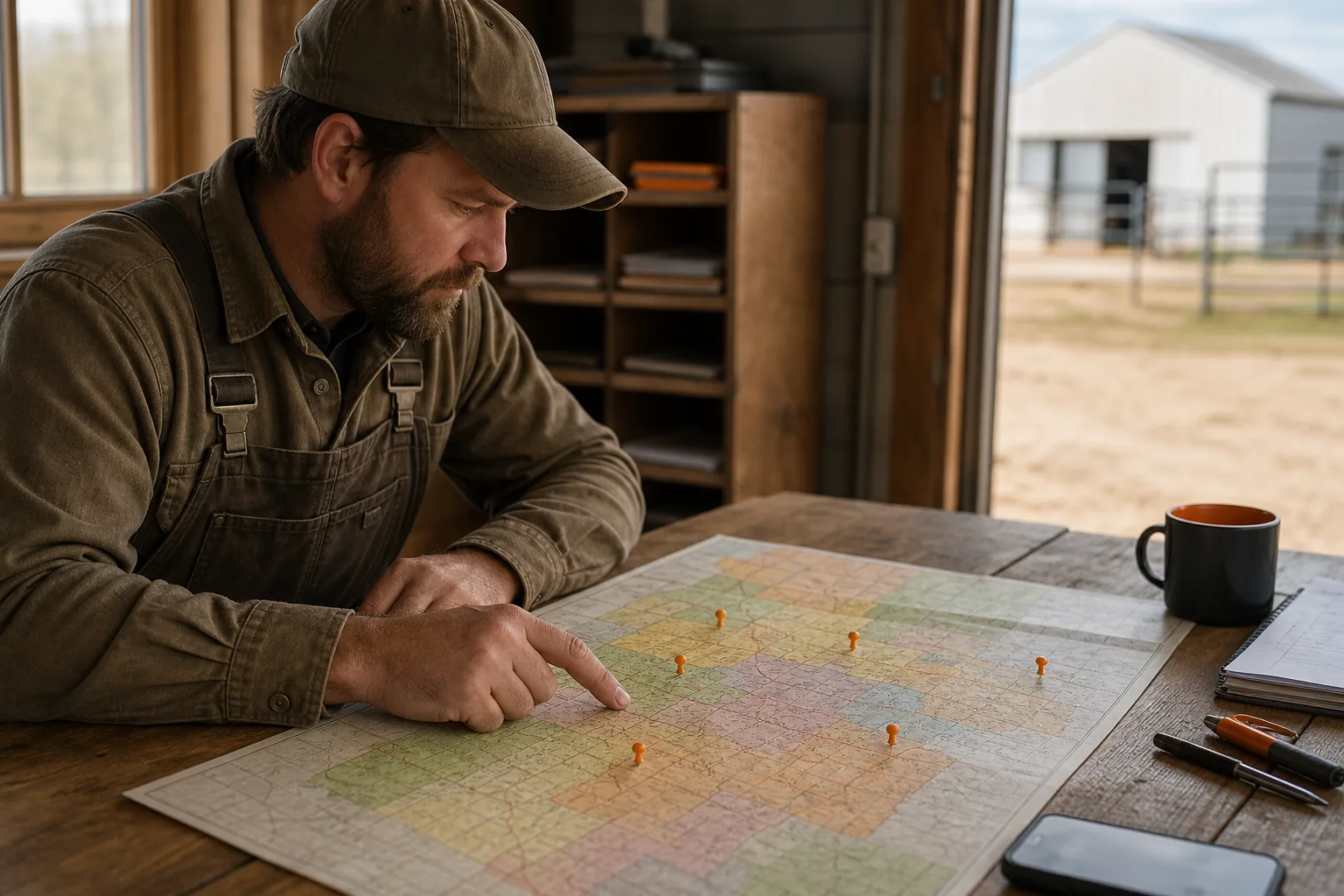
For custom meat processing near you, search by ZIP code first, then widen the radius by county. A processor may work across several counties even when its shop has one mailing address.
Start with The Easy Homestead. We built the directory for working homesteaders who need local providers, not lifestyle listings. Search by ZIP code or county, then look for meat processors and local butchers that match your animal and service need.
Open each listing in a separate tab. Record the shop location, service area, accepted animals, inspection details, reviews, and last update. If a listing lacks a key detail, treat that gap as a question rather than an assumption.
Use more than one search phrase. Try terms such as:
- Custom meat processor plus your county
- Mobile butcher plus your ZIP code
- Farm slaughter service plus your state
- Poultry processing plus your nearest town
- State-inspected butcher plus your county
Some directories serve a narrow purpose. Find A Meat Processor focuses on the Midwest and uses government inspection records with hand checks. Compass pulls from USDA databases and shows meat infrastructure on a visual map. Local Harvest has nationwide keyword search, while its grassroots listings are created and maintained by individual members.
That difference matters. A map can show what sits near your farm, while a regional directory may provide better local detail. A nationwide listing can help when nearby options are scarce, but you still need to confirm that the plant is open and accepts your animal.
If you’re trying to find a processor during peak season, use our meat processor search tips alongside the directory search. The best shop for you may sit one county away, especially if it handles your species and has a workable drop-off day.
Don’t stop at the first result. Aim for three possible processors. One may be booked, another may lack the right inspection status, and the third may fit your dates.
Step 3: Check inspection status, equipment, and accepted animals
Before you book custom meat processing near you, verify that the plant can handle your animal and your end use. A listing alone doesn’t prove that the shop has room, current inspection approval, or the equipment for your cut list.
Ask which inspection system covers the work. Request the plant’s current status in writing if you plan to sell meat. Don’t treat the words “inspected” or “licensed” as enough. Ask who inspects the plant and what products that status allows the shop to process.
For inspection questions, confirm the plant’s current status directly with the processor. Public records may be available, but they may not provide the kind of local map or on-site keyword search most homesteaders want.
Compass improves the map part. Its layer filter can isolate meat infrastructure, which gives you a quick view of nearby plants. It pulls from multiple USDA databases, but it doesn’t provide bulk download options. Find A Meat Processor takes a different path with government records plus hand verification, though its scope stays in the Midwest.
Use the map to find leads. Use the processor to confirm the facts.
Next, check the shop’s equipment. Ask if it has a rail system for your animal size. Find out whether it can chill carcasses at the needed scale. Ask about grinders, smokers, curing space, vacuum sealers, and freezer storage.
Equipment changes the result. A processor may accept pigs but lack the space to cure hams. Another may make bulk sausage but not smoke it. A poultry processor may take whole birds but not package parts by family or meal size.
Ask about mobile work too. A mobile unit may come to your farm, but the site still needs suitable space, power, water, drainage, and a safe route for the unit. Confirm those needs before you set a date.
Reviews can show patterns, but they don’t replace confirming inspection status. Look for comments about order accuracy, pickup timing, packaging, and how the shop handles questions. The Easy Homestead uses verified listings and real reviews to make this first screen less dependent on scattered feed-store posts.
Pro Tip: Save a screenshot or written note of the inspection status and accepted species on the day you book. Plant details can change.
Step 4: Ask the processor the questions that prevent surprises
The right questions can prevent a missed slaughter date, a freezer full of unwanted cuts, or a bill that doesn’t match your plan. Put the answers in one note so everyone who handles the animals has the same details.
Ask these questions before you place a deposit:
- Do you accept my species and animal size?
- Are you taking new bookings for my target month?
- Do you handle slaughter, or do I bring a dressed carcass?
- What inspection status applies to this order?
- Which cuts are included in the base service?
- How do you price slaughter, cutting, wrapping, smoking, curing, and storage?
- What packaging choices do you provide?
- How long does the order usually take?
- How will you label boxes and special requests?
- What happens if the animal arrives late or fails the intake check?
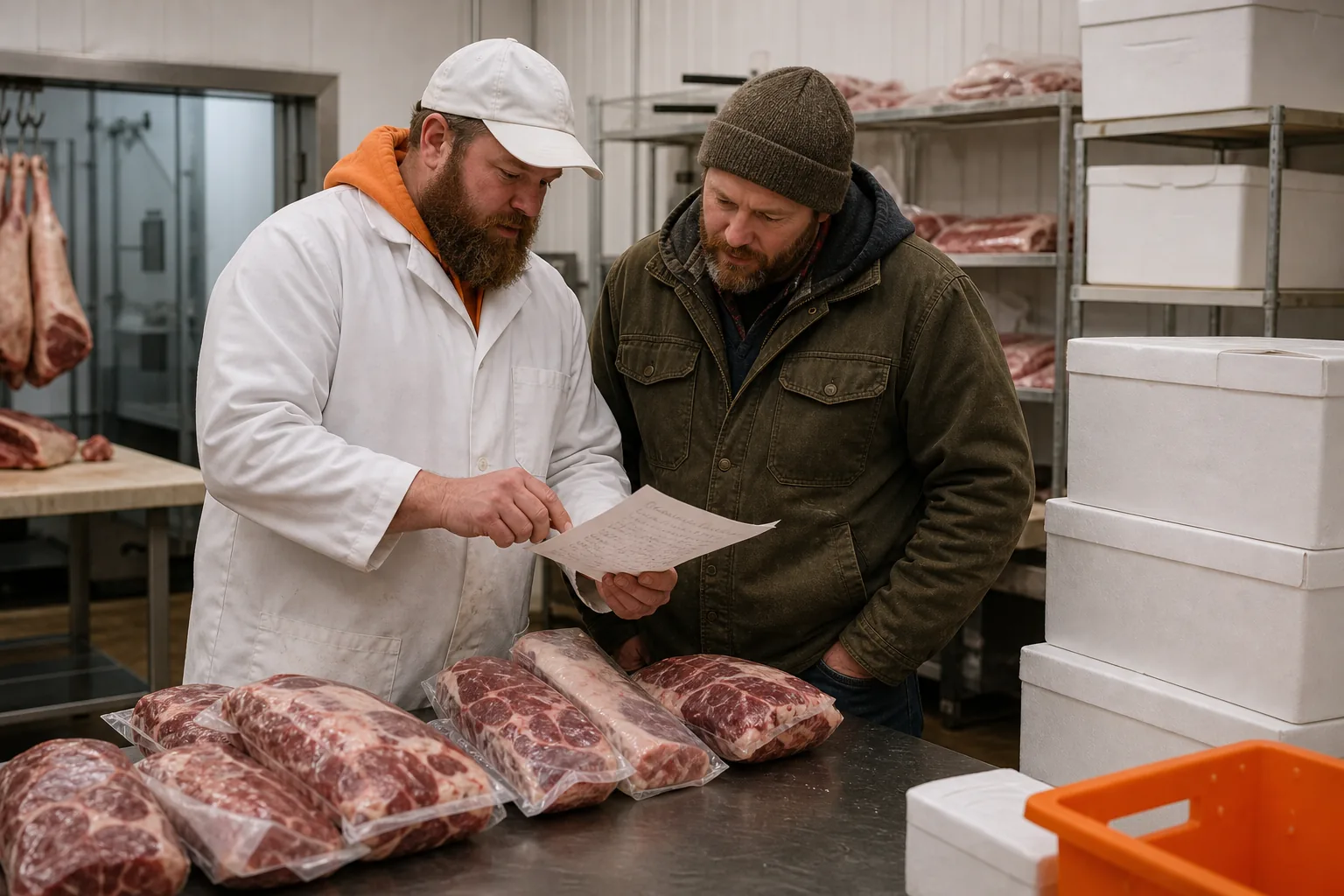
Ask for the cut sheet before drop-off. Mark each choice with plain words. If you want all trim ground, say that. If you want roasts kept whole, write the size or count you prefer.
Clarify who owns the meat during each stage. Some arrangements involve a farm, a slaughter site, a separate cutting room, and a smokehouse. You need to know where the animal goes and who handles the handoff.
Ask how the shop handles food allergies and shared equipment. If you need a batch without a certain ingredient, confirm how it gets separated and labeled. Don’t rely on a verbal promise made during a rushed intake.
Turnaround deserves its own question. “When will it be ready?” may get a broad answer. Ask for the expected week and the pickup process. Find out how long the shop will hold finished meat before storage fees apply.
For poultry, ask whether the plant takes batches of your size. Some small farms need a processor that can handle many birds on one date. Others need a smaller run with careful labeling. Our poultry processing resource covers the questions to ask about state-inspected plants, mobile units, and co-op hubs.
Get the final plan by email or text if the processor uses that system. Keep the message with your farm records. A written order protects both sides when the season gets busy.
Step 5: Book the slot and prepare your animals, paperwork, and freezer
Book the processing date as soon as the shop confirms its schedule. A strong lead is useless if you wait until the animal is ready and every slot has filled.
Ask what deposit or paperwork holds the date. Keep the confirmation with your cut sheet. Write down the drop-off time, location, vehicle rules, animal tags, and any health records the processor requires.
Plan the farm work backward from the appointment. Set the final feed plan according to the processor’s instructions. Check trailers, gates, panels, and loading points. A calm loading setup reduces risk for both people and livestock.
Prepare freezer space before pickup day. Count shelves and bins. Leave room for odd-shaped packages and large roasts. Clean the freezer and set the temperature based on the appliance maker’s guidance.
Bring a marker or labels if the processor asks for them. Match your farm records to the plant’s package labels. If several households share one animal, use separate box plans before drop-off.
Keep a backup option. The first processor may face a machine problem, staffing gap, or delayed slaughter date. A second name in your county can save the season.
Search The Easy Homestead again before each processing season. Listings, reviews, and service areas can change, and a newer local processor may now fit your needs.
FAQ
How do I find custom meat processing near me?
Search by ZIP code and county, then check the processor’s service area. The Easy Homestead lets you search local listings for meat processors and butchers. Widen your search to nearby counties if local slots are full. Confirm accepted animals, inspection status, equipment, current availability, and drop-off rules before booking.
What is the difference between state-inspected and USDA-inspected meat?
USDA inspection supports meat sales across state lines, while state inspection follows the rules and limits of the state program. The correct choice depends on whether you keep the meat for household use or sell it. Ask the processor which inspection status covers your order, then check your state’s current requirements.
How far ahead should I book a meat processor?
You should book as soon as you know your likely processing month because small plants can fill their schedule well ahead. Ask about cancellations and backup dates. If you raise pigs or poultry on a set cycle, contact processors before the animals reach finished weight. Keep a second local option in your records.
What should I bring to a custom butcher?
Bring the required paperwork, animal identification, your cut sheet, and any labels the processor requests. Confirm whether you bring a live animal or a dressed carcass. Check the drop-off time and trailer rules before leaving home. Your freezer plan should be ready before the finished meat comes back.
Can a mobile meat processor come to my farm?
A mobile processor may come to your farm, but you must confirm the unit’s service area and site needs first. Ask about power, water, drainage, access, lighting, and waste handling. Mobile work can reduce hauling, but it still depends on the unit’s schedule and the conditions at your property.
Conclusion
Start with The Easy Homestead, then verify the plant directly before you reserve a date. Search by ZIP code or county, compare inspection status and species limits, and save your written cut plan. Compare mobile processor options when hauling is the hard part, then book the first suitable slot before the schedule fills.