The best farm fencing contractors near you should understand stock pressure, wet ground, gates, and machinery access. A residential fence installer may know posts, but that does not mean they know paddocks.
In Knoxville, pricing transparency and verification are scarce. Use the steps below to screen contractors before you spend time on site visits and quotes.
1. The Easy Homestead
Start your search for farm fencing contractors near me with a local directory built around working homesteads. The Easy Homestead helps you search by ZIP code or county, then compare local service providers in categories that general directories often miss.
That matters when your job involves more than a straight boundary line. You may need a horse-safe paddock, a stronger line for goats, an internal divider for pigs, or a gate that lets a tractor pass without scraping posts. The right contractor depends on the land and the stock you keep.
Search the fencing and farm construction category first. Look for a listing that gives you enough detail to judge fit before you send a message. Useful details include the contractor’s service area, fence types, work history, verification status, and reviews from local customers.
We built The Easy Homestead around this exact gap. General search results tend to mix residential installers with farm specialists. Facebook groups may give you a name, but the details are scattered and hard to check. A directory record gives you one place to start your comparison.
You can also use our guide to finding a fence company for a farm or homestead when you need to sort fence type from contractor fit. It covers the questions that matter before you ask for a quote.
Do not treat a directory listing as proof that a contractor is right for your land. Use it as a screening tool. Check the listing, then ask direct questions about farm work, repair calls, gates, and difficult ground.
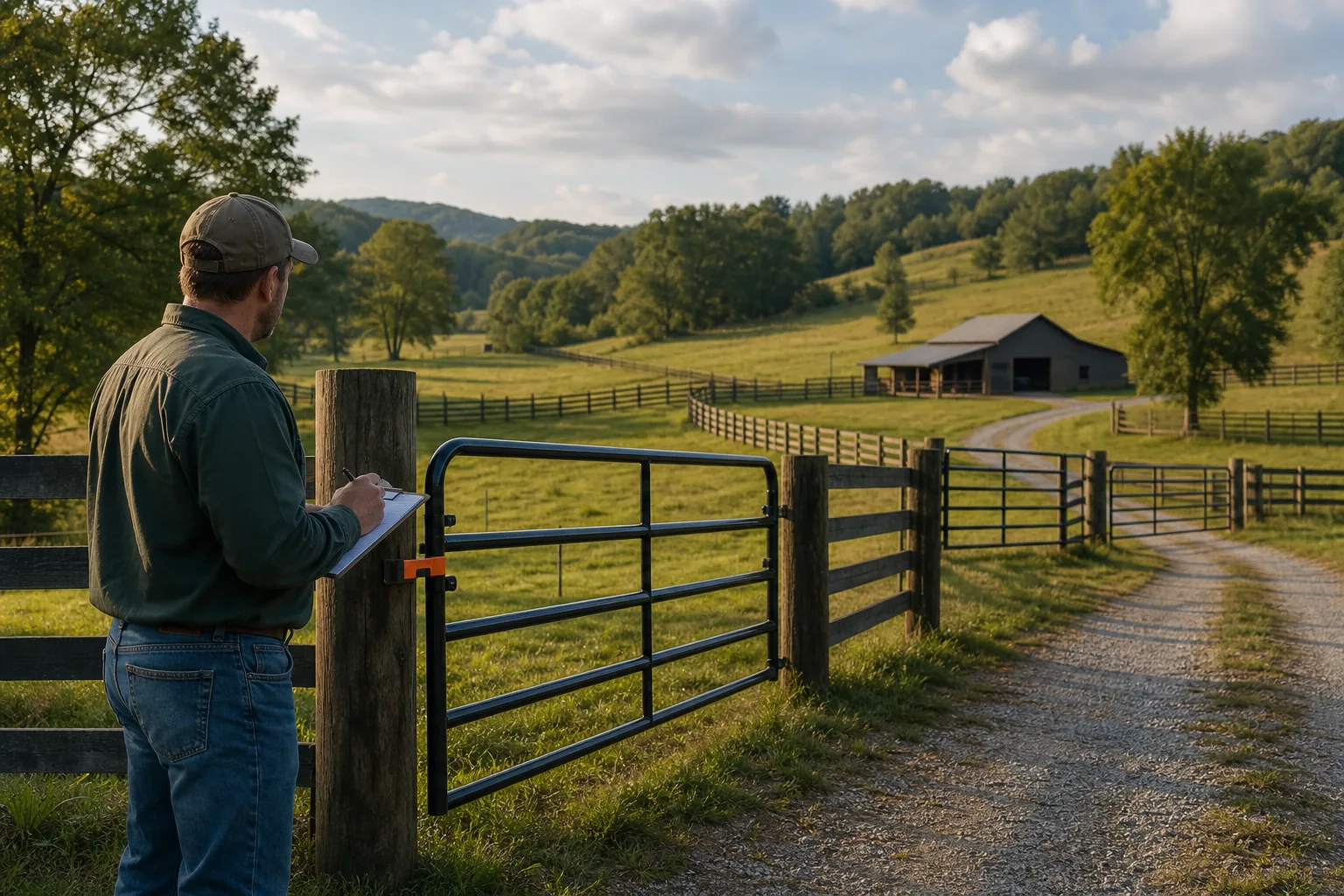
Key Takeaway: Start with a local, searchable source, but verify the contractor’s farm experience yourself before booking work.
Step 2: Search for local farm fencing contractors
Search by county first, then widen the area if the results are thin. Farm fencing contractors near me may list a town, a county, or a broad regional service area, and those labels do not mean the same thing.
Knoxville listings range from firms naming Knoxville alone to businesses covering several East Tennessee counties. Loudon County Fence lists Knoxville, Knox County, Farragut, Oak Ridge, and a wider East Tennessee area on its site. That wider reach may help if your property sits outside the city, but you still need to confirm travel limits and scheduling.
Save three to five possible contractors. Do not send the same vague request to all of them. Give each one enough detail to tell you if they handle your type of job:
- Your county and approximate drive time from the nearest town.
- The animals the fence must contain.
- The length of new fence, if you know it.
- Any gates, creek crossings, steep slopes, or old fence removal.
- Whether you need a repair, a new line, or an internal paddock split.
Then ask who actually does farm and horse work. A contractor may list wood, vinyl, aluminum, or chain link but have little experience with livestock pressure. The Knoxville data shows this split clearly. Foothills Fence Company explicitly lists agricultural fencing and horse fencing, while Knox Fence highlights horse wire. Other firms appear more general in their listed services.
Use service area as a filter, not as your final decision. A contractor who travels farther may charge for distance or have a longer wait. A nearby company may still lack the crew or equipment for your site.
Pricing is another reason to contact several firms. Most required a quote. Loudon County Fence is the exception in the research, with a published range of $20 to $60 per linear foot. That range is a starting point, not a promise, since terrain, materials, gates, and removal can change the total.
For general contractor guidance, the Loudon County Fence farm fencing page is useful because it shows how one regional contractor describes its service area and pricing approach. Read it as one reference point, then compare the scope against other quotes.
Pro Tip: Send the same written project summary to each contractor. It makes missing work easier to spot when the estimates arrive.
Step 3: Check whether the contractor understands working farms
Farm fencing contractors near me should ask how you use the property before they recommend materials. If the first conversation focuses only on total feet, pause. Fence length does not explain stock pressure, water flow, access, or daily chores.
Ask these questions during the first call or message:
- What farm or horse fencing jobs do you handle most often?
- How would you approach slopes, soft ground, creek lines, or washed-out sections?
- How do you place gates for feed runs, trailers, and tractor access?
- Can you repair an existing line, or do you recommend a full replacement?
- What changes should we plan for if we split paddocks later?
- Who handles old fence removal and disposal?
A good answer should connect the fence to your daily work. A gate near the wrong corner can turn a short feed run into a muddy loop. A weak corner can fail when cattle lean on the line. A low section beside a creek may need a different plan than a dry ridge.
Walk the full fence line with the contractor. Do not rely on a view from the driveway. Look for soft spots, tree roots, old wire, drainage paths, and places where animals already test the fence. Existing damage can hide behind brush or tall grass.
Site knowledge matters during repairs too. A storm-damaged section may need a fast patch if the rest of the line is sound. If several posts are loose or rotten, patching one gap may waste your money. Ask the contractor to explain which parts need work now and which can wait.
Ask how weather affects the schedule. No contractor can control rain or boggy ground, but they can explain what conditions will delay digging or machine access. You should know how schedule changes will reach you before the work starts.
Materials deserve the same level of care. Horse fencing, cattle fencing, goat fencing, and crop protection each bring different risks. A contractor who gives one answer for every animal may be selling a standard job rather than solving your problem.
The Wikipedia overview of fence design and use gives useful background on how fences mark boundaries and control access. On a working farm, though, the site visit must add the details that a general definition cannot cover.
Good contractors also explain limits. They may decline a job that needs equipment they do not have. That answer is better than accepting the work and discovering halfway through that the ground or access is beyond their setup.
Step 4: Compare site visits, materials, gates, and estimates
Compare farm fencing contractors near me by the quality of their site visit, not by the first number they mention. A quote based on a satellite view or a rough phone estimate cannot account for every post hole, corner, gate, or access problem.
During the visit, ask the contractor to mark the proposed line. Confirm where the fence starts and ends. Check whether the line crosses a property boundary, drainage path, utility area, or shared access lane. If you plan future paddock changes, point those out now.
Ask for the estimate in clear parts. At minimum, it should explain:
- Fence type and material.
- Post size or style, where relevant.
- Wire, mesh, rails, or other fill.
- Corner and end assemblies.
- Gate size, location, hinges, latch, and bracing.
- Old fence removal and site clearing.
- Labor, equipment, travel, and any stated exclusions.
A low quote may leave out work that another contractor included. Check for clearing, rock, steep ground, extra gates, long drives, and disposal. Ask what happens if the crew finds hidden concrete, buried wire, or unstable posts.
Published pricing can help, but it cannot replace a site visit. Loudon County Fence publishes $20 to $60 per linear foot, while most of the other Knoxville entries in the review do not show a public rate. Treat that difference as a transparency signal, not as proof that one quote will fit your property.
Verification also needs care. Loudon County Fence carries Google-Guaranteed status in the source material. Status can change, so check the current listing and ask what the badge covers.
Longevity helps, but it does not answer every question. A company can have decades in the trade and still leave you guessing about materials, timing, or exclusions. Ask for the scope in writing.
Compare quotes side by side using the same questions. If one contractor recommends a different fence type, ask what problem that choice solves. The best quote may cost more because it includes better corner work, stronger gates, or difficult access that another bid ignored.
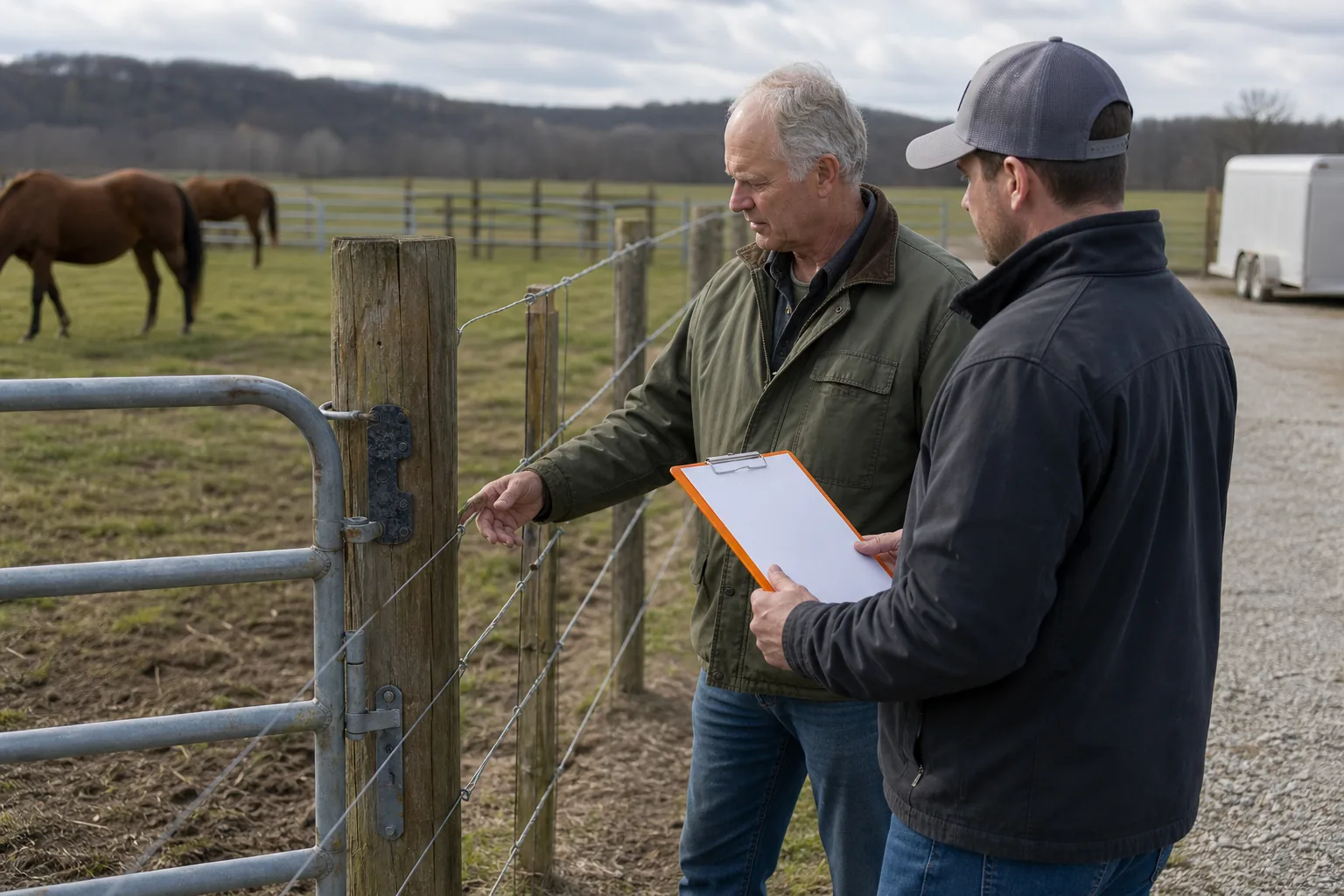
Use the gate as a decision test. If the contractor cannot explain how the gate will handle daily traffic, stock contact, and weather, the rest of the estimate deserves a closer look.
Step 5: Confirm the scope before you schedule the work
Before you schedule farm fencing contractors near me, turn the accepted estimate into a clear written scope. This protects both sides and gives you something useful to check when the crew arrives.
Confirm the exact fence line and total length. List each gate by location and size. Write down the material choice, finish, post plan, corner treatment, and any electric components. If the contractor will reuse existing posts or wire, state that too.
Confirm who handles permits or boundary questions when they apply. You should also mark underground utilities before digging and tell the contractor about septic areas, buried water lines, drainage pipes, and private roads.
Ask for the planned start window and the conditions that may change it. Get the payment schedule in writing. Make sure the scope explains how added work will be approved before it changes the price.
Take current photos of the fence line. Photograph gates, damaged posts, muddy areas, and access points. These images help settle questions if the final work differs from the agreed plan.
If you want to handle small repairs yourself later, ask the contractor which materials and tools match the new installation. Keep spare hardware and a short record of gate sizes. That can save a future trip when a hinge fails or an animal tests a weak spot.
When local options are scarce, The Easy Homestead gives you another place to search by county. You can also use our farm equipment rental search if a project needs equipment beyond the contractor’s setup.
Key Takeaway: Do not schedule from a verbal promise. Schedule from a written scope that names the line, gates, materials, access terms, and change rules.
FAQ
How do I find farm fencing contractors near me?
Start with a county or ZIP code search, then screen each listing for farm, horse, or agricultural work. Ask about terrain, gates, stock pressure, repairs, and site visits. A local directory such as The Easy Homestead can reduce the time spent chasing names through scattered groups and general search results.
What should a farm fencing contractor ask me?
A good contractor should ask what animals you keep, how you move through the property, and where the fence will sit. They should also ask about slopes, wet ground, old fencing, gates, machinery, and future paddock changes. If they only ask for fence length, they may not understand the job.
How many quotes should I get for farm fencing?
Get at least three quotes when local farm fencing contractors near me are available. Give each contractor the same project details so the bids are comparable. If the site is large or difficult, more than three may help. Focus on matching scope first, because a cheap quote can exclude removal, gates, access work, or corner assemblies.
Do farm fencing contractors charge for site visits?
Some contractors may charge for site visits, while others include the visit in their quoting process. Ask before booking. A site visit is often worth the time because terrain, drainage, access, and old fence conditions can change the job. Do not accept a final farm fencing price based only on a distant view or rough measurement.
What is the best fence for livestock?
The best livestock fence depends on the animal, terrain, fence purpose, and daily access needs. Horses may need a different setup than goats or cattle. Ask the contractor to explain how the proposed material handles pushing, leaning, climbing, or escape attempts. The right answer should fit your stock and your property, not a standard sales package.
Conclusion
Choose a contractor who can walk the whole property, explain the fence choice, and put every gate and exclusion in writing. Start your search in The Easy Homestead by county, then compare qualified local options with the same project brief. That is the fastest way to find help you can trust before the first post is set.