Booking a slaughter date can feel like trying to reserve a table at a restaurant that never picks up the phone. The number of small federally inspected plants serving farms has dropped significantly since 1990, and the ones still operating are often booked months out. Here are seven ways to actually track down a verified USDA inspected processor near you, ranked from fastest to most reliable.
1. The Easy Homestead , verified local meat processor listings by ZIP or county
The Easy Homestead meat processor directory is built specifically for working homesteaders, not food tourists. You search by ZIP code or county, filter by inspection type, and read reviews from people who have actually dropped off a pig and picked up their cuts. That last part matters more than it sounds.
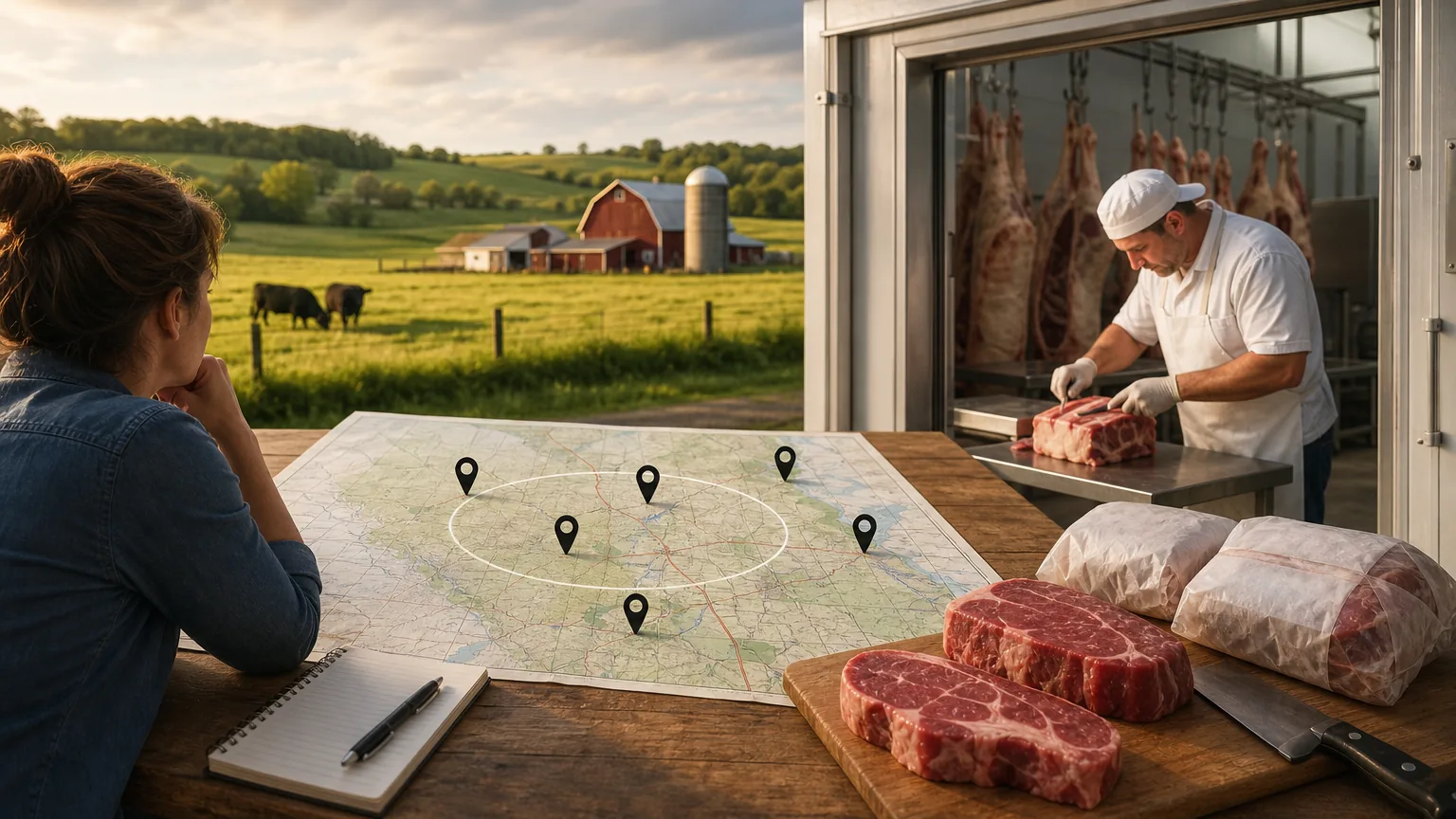
Most directories tell you a processor exists. The Easy Homestead tells you whether they return calls, how long cuts take, and whether the cut sheet process is painless or a nightmare. Those details come from other homesteaders who have used the facility, not from the processor’s own marketing copy.
The directory covers meat processors alongside farriers, large-animal vets, hatcheries, and feed suppliers. So if you are tracking down a butcher and also need a new farrier, you are not switching between four different platforms to do it. The tagline is “Find who you need. Trust what you find.” , and the processor listings are where that promise is most useful, because this is the category where bad information costs you months.
One honest caveat: coverage is stronger in some regions than others right now. If you search your ZIP and come up empty, try the county or the next county over. The directory is growing, and a thin result in your area is worth checking again in a few months.
Key Takeaway: The Easy Homestead is the only homestead-specific directory that pairs processor listings with real reviews and inspection-type filters, saving you the three-week Facebook research spiral.
2. The federal USDA inspection database, the official federal database
The federal USDA inspection database is the authoritative federal list of every establishment operating under federal inspection. It is not pretty, but it is complete. Every plant with a federal grant of inspection is in here, including the small custom-exempt operations and the full slaughter-and-process facilities you actually want.
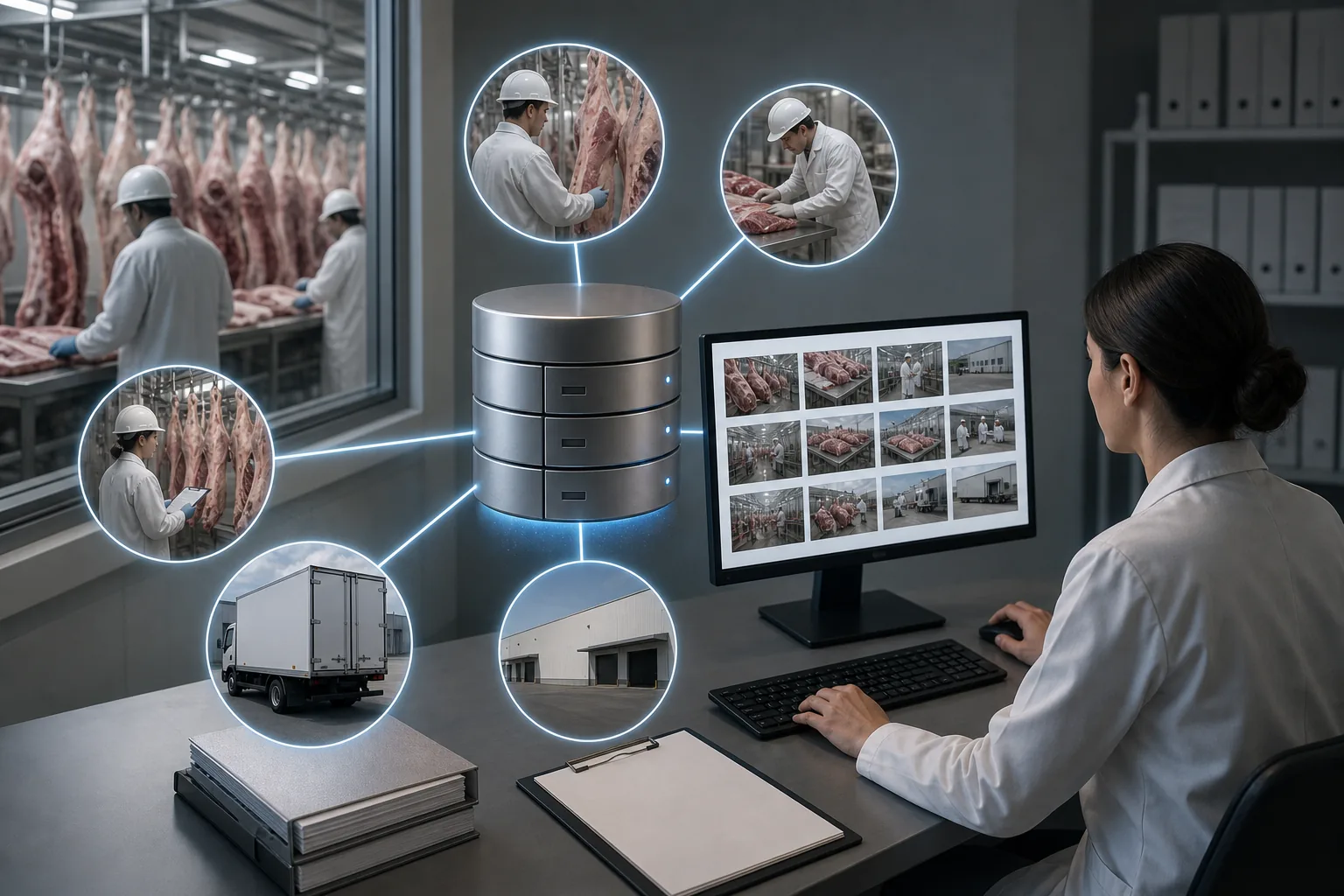
The database is searchable by state and by establishment type, which lets you filter for slaughter facilities specifically rather than wading through import warehouses and egg product plants. You will get an establishment number, an address, and sometimes a phone number. What you will not get is any indication of whether they take walk-in producers, what their schedule looks like, or whether they handle the species you raise.
The data our research pulled from 39 USDA-inspected providers across Florida illustrated this gap clearly. Every single one showed a USDA inspection status of “Yes” , but price per pound, animal-weight limits, and scheduling policies were absent for all 39. Universal inspection, zero operational detail. That is the federal database experience in a nutshell: authoritative starting point, not a finishing line.
Use this database to confirm a processor’s inspection status before you call. If someone tells you they are USDA inspected, you can verify their establishment number here in about two minutes. That alone makes it worth bookmarking.
3. Your state department of agriculture processor list , often more current than federal data
Most states publish their own processor lists through the department of agriculture, and these lists often get updated faster than the federal database. State lists also include state-inspected facilities alongside USDA-inspected ones, which matters if you only need to sell within your state and want more options nearby.
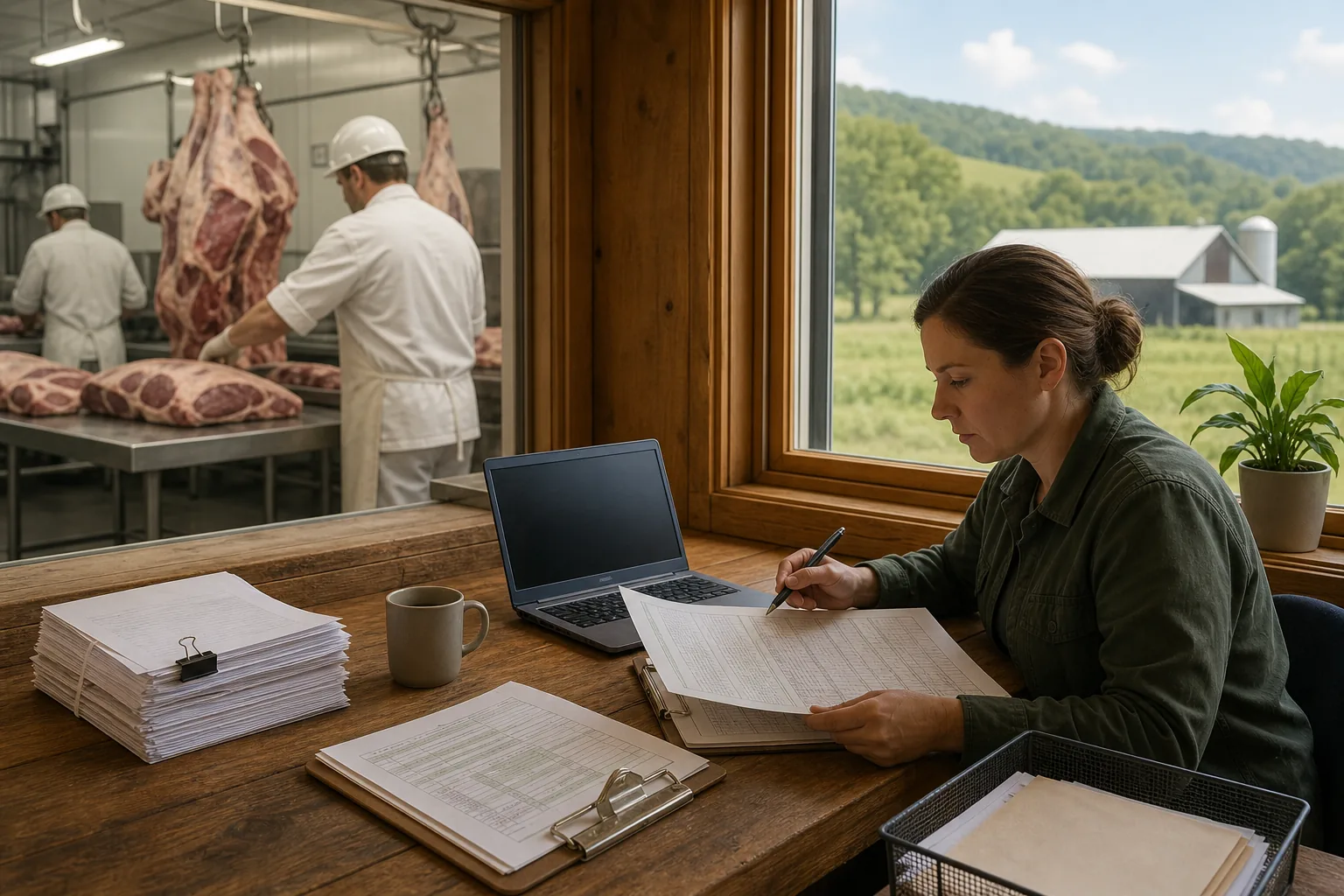
The format varies a lot. Some states run a searchable online database. Others post a PDF that was last updated two years ago. Some states maintain a separate listing through their department of agriculture or agricultural extension program that covers processors by county. If your state has an active agricultural extension program, their website is often the fastest path to this list.
A usable tip: when you find the state list, cross-reference it against the FSIS directory to confirm inspection status, especially if the state list has not been updated recently. State-inspected and USDA-inspected are not the same thing. If you plan to sell meat across state lines or to retailers, you need a federally inspected plant. If you are selling at a farmers market within your state or doing whole-share sales to local customers, a state-inspected facility may work fine and might be closer to you.
Check your state ag department’s website directly. Search for “[your state] department of agriculture meat processor list” and look for a page that is actually hosted on a .gov domain, not a third-party blog repeating the information.
4. University extension service publications , regional processor lists with inspection status noted
Land-grant university extension programs are one of the most underused resources for finding processors. They publish regional lists specifically because their audience is producers who need to know where to take animals, not just whether a facility exists. The difference is that extension publications often include species handled and notes on whether a facility is open to small producers.
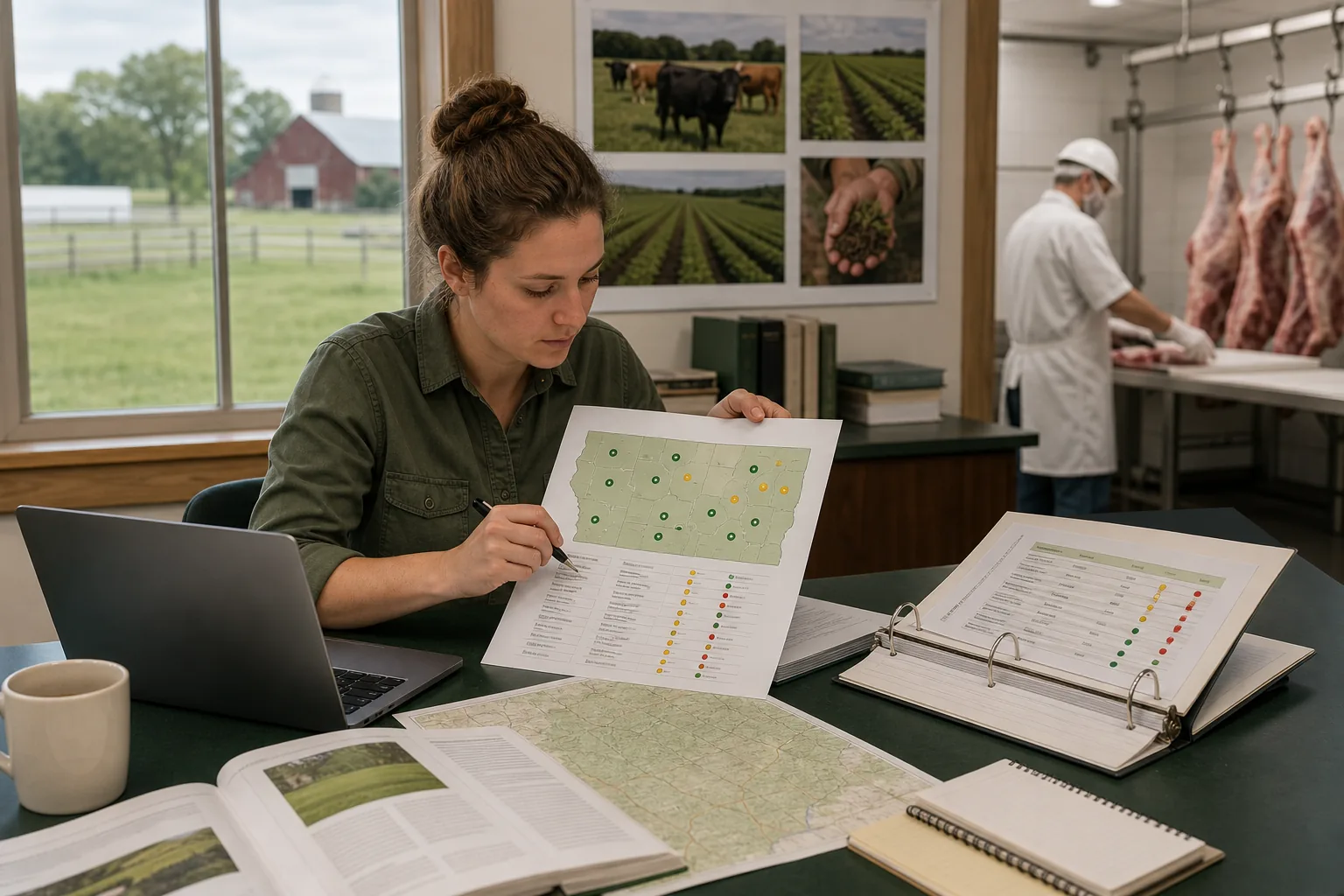
A good example is the extension guide on USDA-inspected livestock slaughter facilities in Florida available from the University of Florida IFAS. It lists facilities with establishment details and a table of services offered by each. JA Angus Processing in Bristol handles slaughter and processing. Gray’s & Danny’s in Moore Haven offers slaughter and processing. Limestone Meathouse in Monticello covers slaughter and processing for that region. These distinctions are not in a generic federal directory — they come from the kind of regional knowledge extension specialists actually have.
The caveat is that extension publications age. A list published three years ago may include facilities that have since closed or changed ownership. Use them to build your call list, then verify each facility is still operating before you drive two hours with a trailer. Extension offices also have staff you can call directly. A county extension agent who works with livestock producers will often know which processors in your area are taking new clients and which ones are booked solid.
Pro Tip: Search Google for “[your state] extension meat processor” and filter results to .edu domains. You will often find a PDF or database that covers regional facilities with far more operational detail than a generic directory.
5. LocalHarvest and EatWild , food-focused directories with partial processor coverage
LocalHarvest and EatWild both surface some processor listings, but neither was built with the homesteader supply chain in mind. LocalHarvest is a food-focused directory centered on farms, farmers markets, and sustainable food sources. It does have a meat processor category, and the Niche Meat Processor Assistance Network (NMPAN) has encouraged processors to list there. But the listings are self-reported, unverified, and mixed in with farms, CSAs, and food coops that have nothing to do with processing.
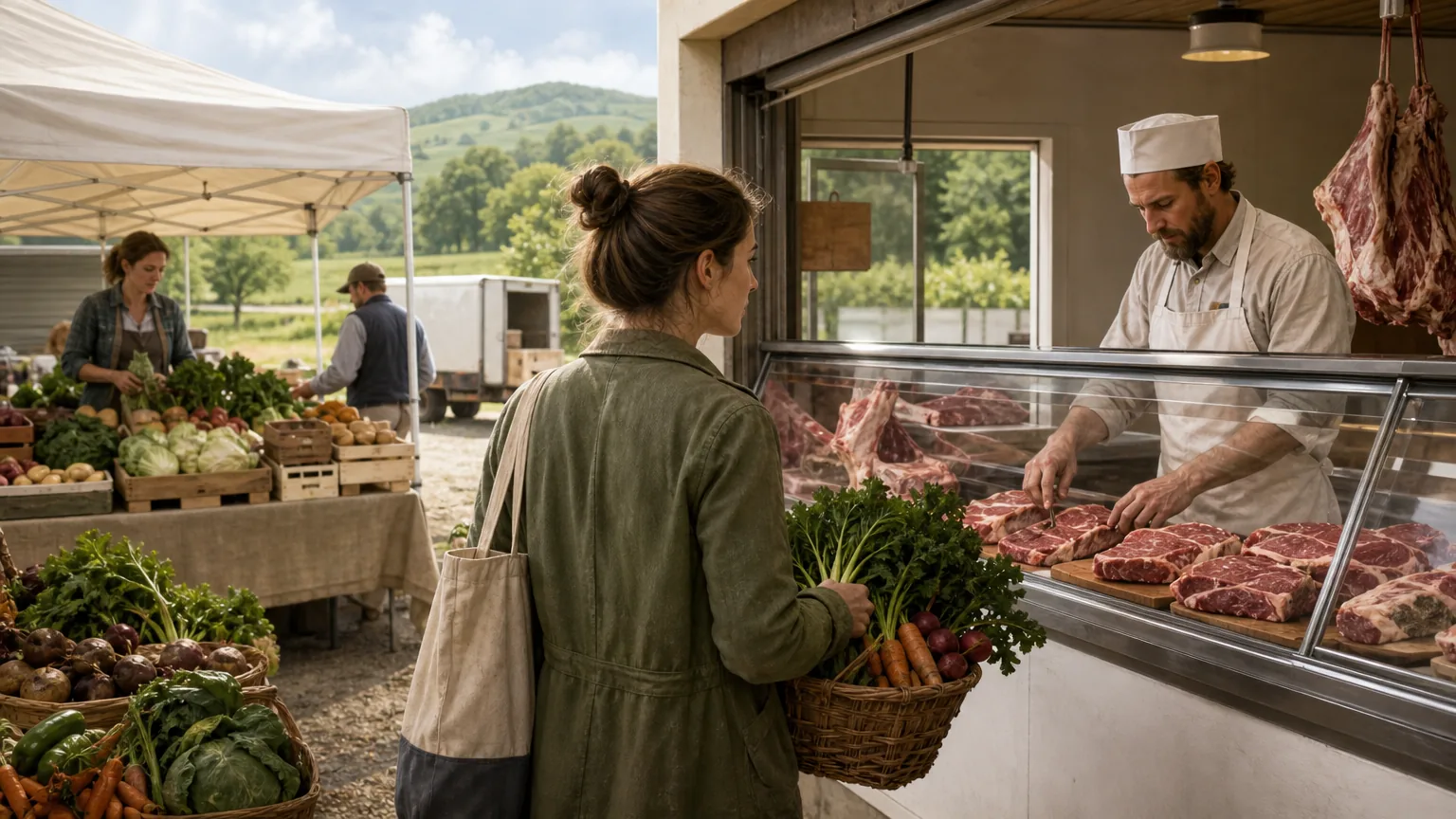
EatWild is even narrower. It focuses on pastured meat and dairy producers, so you will find farms that raise animals on pasture, not necessarily facilities that will process yours. If you are looking to buy finished product from a pastured operation, EatWild is useful. If you want someone to improve your pig and return packaged cuts, it will leave you clicking through a lot of irrelevant listings.
Both directories work best as a secondary check after you have already identified facilities through the FSIS database or a state list. They can surface contact information or confirm that a facility is still active and marketing to producers. For finding local butchers who work with small farms, they are worth a five-minute search but not a deep research session.
The gap these directories leave is exactly what The Easy Homestead was built to fill: homestead-specific services, verified listings, and real reviews from producers who have used the facility.
6. Mobile USDA-inspected processing units , on-farm slaughter where it exists
Mobile USDA-inspected slaughter units are rare. A USDA inspector travels with the unit and is present during slaughter, which means the meat produced carries full federal inspection status and can be sold the same way as meat from a fixed plant. If you can find one that covers your area, it solves the transport problem entirely.
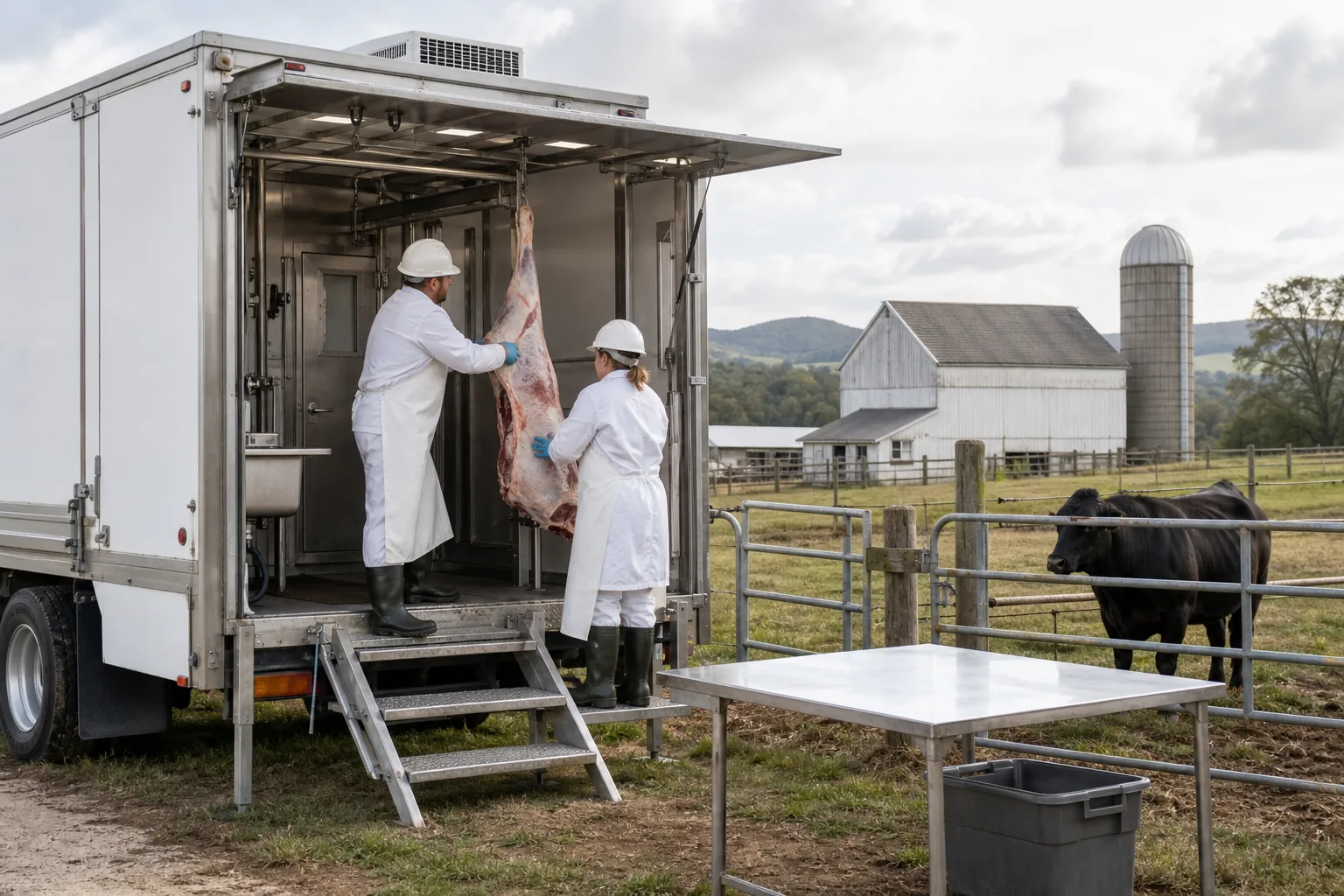
The challenge is that very few of these units exist nationwide. A federal inspector has to be physically present, and coordinating that schedule on a mobile basis is complicated and expensive. Some states have supported mobile unit programs through grants or cooperative arrangements, and a handful of farms have built their own on-farm USDA-certified facilities. Hidden River Farms in Montesano, Washington, for example, has pursued on-farm USDA certification specifically because there was only one USDA-certified butcher in their part of southwest Washington, forcing them to haul animals hours away.
For most homesteaders, mobile custom butchers are far more common. These units come to your farm, slaughter on-site, and then send the carcass to a fixed processing facility. The meat comes back stamped “not for sale,” which means you can use it for your own freezer or sell live shares where buyers own the animal before processing. That model works well for whole-share and half-share sales if you structure it correctly under your state’s rules.
To find a mobile unit in your area, your best bet is to ask at the feed store, post in your county’s farm bureau group, or search The Easy Homestead directory for mobile processors in your region. This is exactly the kind of service that never shows up in a Google search but is well-known in the local farming network.
7. Your local feed store and farm bureau , the word-of-mouth network that still works
Every piece of advice in this article assumes you have not yet walked into your local feed store and asked the person behind the counter who everybody uses for processing. Do that first. It takes five minutes and frequently produces the best lead you will find anywhere.
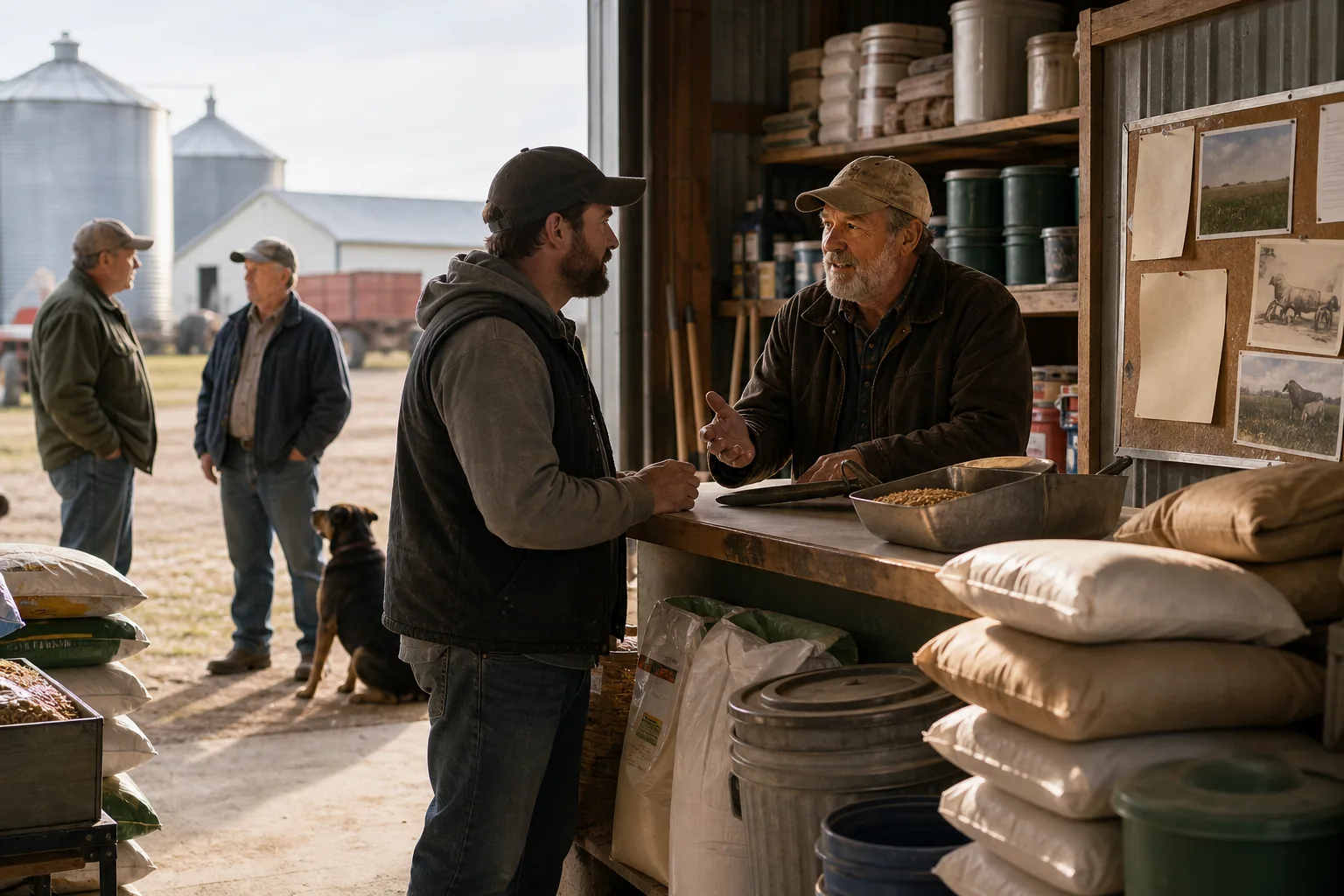
Feed store staff talk to producers every day. They know which processors are taking new clients, which ones just closed, and which ones have a six-month waitlist. The farm bureau operates the same way. A county farm bureau member who has been raising cattle for twenty years will tell you in one sentence what three weeks of online research cannot.
This word-of-mouth network is also where you find processors who are not listed anywhere online. Small-scale operations often have no website, no social media presence, and no directory listing. Their entire client base is referrals. If you are the kind of producer who wants a processor who will remember your name and handle your animals the way you want them handled, this is usually where you find that person. Once you identify someone this way, verify their USDA inspection status using the FSIS database before you book.
Maintaining that relationship once you find a good processor is worth the effort. Processors who like working with you will hold a date for you next year, flag when a cancellation opens up, and sometimes bend their cut sheet deadlines. Being an easy client , animals delivered on time, paperwork done in advance, prompt payment , goes a long way at a facility that has forty other producers competing for the same slots. If you want more on how the booking and logistics process actually works, our guide to finding a meat processor near me covers the full workflow.
What to ask a USDA inspected processor before you book
One finding that came out of our research on 39 USDA-inspected processors is that price per pound, maximum animal weight, and scheduling policies were missing from 100% of the public listings. That is not an oversight. Processors in this space assume you will call. So when you do call, have your questions ready.
| Question to ask | Why it matters | What a good answer looks like |
|---|---|---|
| What inspection type do you operate under? | Determines where you can sell | USDA (federal) for cross-state sales; state-inspected for in-state only |
| What is your current lead time for a slaughter date? | Plants book out fast; you need this before raising the animal to weight | A specific timeframe, not “it depends” |
| When is the cut sheet due? | Late sheets delay your pickup or result in default cuts | Clear deadline relative to slaughter date |
| Do you handle [your species]? | Not all plants process all species under inspection | Explicit yes for your specific animal and weight class |
| How long do you dry-age beef? | Aging time affects tenderness and your pickup schedule | A specific number of days, typically 14–21 for beef |
| What are your kill and processing fees? | Costs vary significantly and are rarely published | A breakdown by kill fee, processing fee, and any specialty charges |
| What is your policy if I need to reschedule? | Life happens; you need to know the penalty before you commit | Clear policy, not vague goodwill |
Write the answers down. If a processor cannot or will not answer these questions on a first call, that is information too. Facilities that are easy to work with are usually easy to talk to from the start. Also, if you raise poultry in addition to hogs or cattle, the process has some important differences , our guide on poultry processing near me covers those specifically.
The labor situation at small processing plants is worth understanding as background. Finding and keeping skilled employees is a top concern for processors of all sizes, and competition for workers in rural areas is real. A plant that is short-staffed or dealing with high turnover may have longer lead times or inconsistent quality control. Asking how long their current staff has been with them is not intrusive , it is a reasonable question from a producer deciding whether to hand over an animal they have raised for months.
Frequently asked questions
How do I find a USDA inspected butcher near me without a long search?
Start with The Easy Homestead directory and search by ZIP code or county. If that does not surface results in your area, check the USDA FSIS inspection directory at fsis.usda.gov and filter by your state and slaughter type. Then call your local feed store for a word-of-mouth referral. Most homesteaders find a usable lead within one of those three steps.
What is the difference between USDA inspected and state inspected?
A USDA-inspected plant operates under federal inspection and lets you sell meat anywhere in the country, including across state lines and online. A state-inspected plant meets equivalent standards but limits sales to within that state. Custom-exempt processors handle animals for the owner’s personal freezer only , that meat cannot be sold at all. Match the inspection type to how you plan to sell.
How far in advance do I need to book a USDA inspected processor?
Most small USDA-inspected plants are booked two to six months out, and some popular facilities fill their calendar a full year ahead. The rule that experienced farmers follow: book the slaughter date first, then raise the animal to hit that date. Do not finish the animal and then start looking for a processor , you will be waiting with a market-weight hog and nowhere to take it.
Can a mobile butcher come to my farm and produce USDA inspected meat?
Yes, but these units are rare. A mobile USDA-inspected slaughter unit travels with a federal inspector on-site, so the meat produced carries full federal inspection status. Far more common are mobile custom butchers who slaughter on-farm but send carcasses to a fixed plant for processing, with the meat returned stamped “not for sale.” That works for personal use and some share arrangements but not for retail sales.
Why don’t processors post their prices online?
Pricing for small processors depends on animal weight, species, cut complexity, and current labor costs, so most facilities prefer to quote by phone after knowing what you are bringing in. Our research confirmed that price per pound and weight limits were absent from every public listing we reviewed across 39 USDA-inspected providers. Expect to call. Have your animal species, estimated hanging weight, and desired cuts ready before you do.
Is the USDA FSIS directory the most up-to-date list of inspected processors?
It is authoritative but not always current. The FSIS directory is the official federal list, but facilities that close or change inspection status do not always get removed immediately. Cross-reference with your state department of agriculture list and confirm directly with the processor that they are still operating and accepting new producers before you make a booking.
Finding your processor takes one good lead, not ten
The best move is to search The Easy Homestead directory by your ZIP code first, then cross-check inspection status on the FSIS database, and have your questions ready when you call. If you are raising animals to sell, book that slaughter date before the animal is anywhere near finished weight. Find a verified USDA inspected processor near you at The Easy Homestead directory.