Finding a farm is easy. Finding a processor, farrier, hatchery, or feed supplier you can count on takes more work. Start with your ZIP code or county, then check the service details before you book. The Easy Homestead helps you search the local homesteading supply chain in one place.
That gap matters most when a processor is booked for months or a livestock vet needs to reach your farm fast. Use these steps to build a short list before the next job becomes urgent.
Step 1: Decide which local farm or provider you need
Before you search for local farms near you, name the job you need done. A broad search for “farm” can return markets, produce stands, agritourism sites, and farms that don’t sell to the public.
Write down the service in plain terms. You may need a hog processor, a mobile butcher, a farrier, a goat shearer, or a hatchery with a certain breed. You may need a feed supplier that carries bulk minerals instead of bagged feed.
Then add the details that affect the match:
- Animal species and head count.
- Service area or travel limit.
- Preferred date or season.
- State or federal inspection needs.
- Pickup, delivery, or on-farm service.
- Whether you need a recurring supplier.
Food directories from local food directories focus on local food sources such as food hubs, farmers markets, CSA farms, and agritourism businesses. That makes them useful for food purchases, but they won’t always help you find a shearer or fencing contractor.
For food, search terms such as “fresh eggs near me” or “farm eggs in my county” can work well. Our guide to How to Find Fresh Eggs Near You can help when you need eggs rather than a full farm service.
For livestock work, lead with the task. “Hog processing near me” is stronger than “farms near me.” The same goes for “mobile farrier in [county]” or “poultry processor near [ZIP code].”
Don’t assume the provider handles every part of the job. A farm may raise pigs but send animals to another plant. A butcher may cut and wrap meat but not slaughter. Write down where the handoff happens.
Key Takeaway: Search for the service you need, not the broad label “farm.”
Step 2: Search by ZIP code or county first
When you find local farms near you, start with a ZIP code or county instead of a whole state. Local work depends on drive time, service radius, delivery routes, and pickup rules.
Run three searches with the same location:
- Search the service and your ZIP code.
- Search the service and your county.
- Search the service and the nearest larger town.
Each version can show a different set of results. A mobile farrier may list the county but serve farms across three nearby counties. A small butcher may use a town name that isn’t in your mailing address.
The Easy Homestead lets you search by ZIP code or county across categories built for working homesteaders. Look under feed and seed when you need a local supplier. Look under farm services when the job requires someone to come to your property.
Use a map as a first filter, not as proof that a provider fits. A pin ten miles away may sit across a mountain road or outside a delivery route. Check the listing for the service area before you spend time writing a long message.
Geographic coverage can also mislead. A directory may claim national reach while showing few useful listings in your county. Regional coverage can sometimes help more than a national list because the providers understand local roads and seasons.
For another search path, a local farm directory’s map and filters can help you narrow results by place. A map may need JavaScript, so use the list view if it doesn’t load.
Keep a short working list. Record the provider name, service, county, travel limit, and the date you checked availability. Add a note when a listing has no current details. That tells you which providers need direct confirmation.
You’ll also save time by separating food sources from farm trades. A farm that sells vegetables may not process livestock. A market listing may not sell at the farm gate.
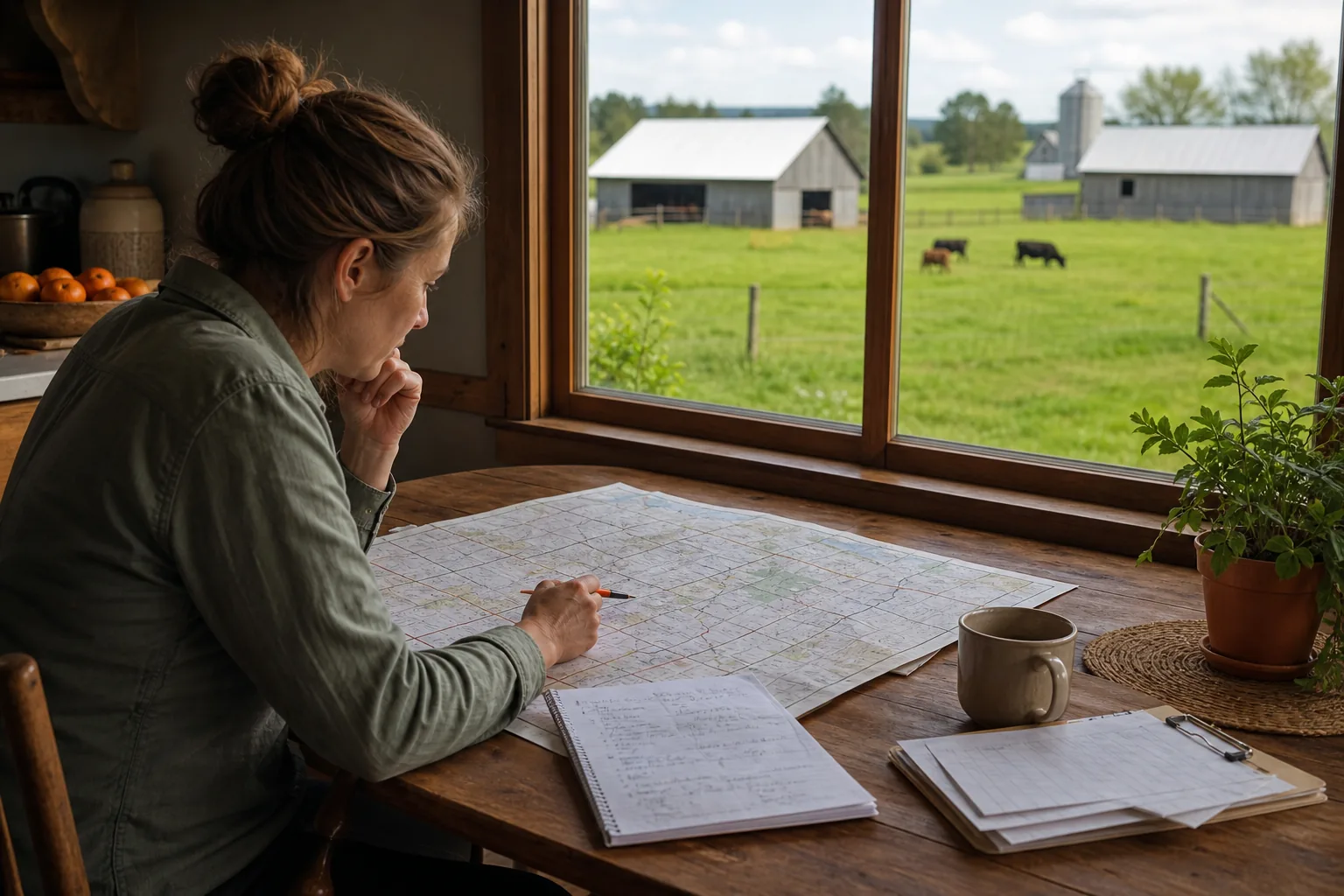
Pro Tip: Search the nearest town as well as your ZIP code. Rural providers often use the town name that customers know best.
Step 3: Search for processors and farm services before you need them
If you want to find local farms near you for livestock work, search for processors and service providers before the animals are ready. Booking after harvest day is too late for many small plants.
Start with the highest-risk bottleneck. For pigs, look for a slaughter and cut-and-wrap provider. For poultry, check poultry processing near you to see whether the processor handles your bird count and whether it runs a mobile unit. For goats and sheep, ask about seasonal demand and scheduling.
Inspection terms need care. USDA inspection supports sales across state lines. State inspection may allow sales within the state under that state’s rules. The processor should explain which inspection status applies to your intended sale.
Ask these questions before you reserve a date:
- Do you handle my animal species?
- Do you slaughter, cut, wrap, or only perform one part?
- What is your current booking window?
- Do you accept farm drop-off or provide mobile service?
- What labels, boxes, or instructions must I bring?
- When will the finished order be ready?
Keep the same habit for other farm services. A farrier needs to know the animal count and whether the horses are shod or barefoot. A shearer needs the flock size and the time of year. A large-animal vet needs the species you keep, since cattle care differs from goat or swine care.
For vet searches, location alone isn’t enough. Useful filters include species treated, mobile service, emergency availability, and credentials. Use those same questions when you review any local listing.
Our pages on whether people eat roosters and choosing a chicken coop for laying hens cover poultry decisions that often lead to a local supplier or processor search. The point is to connect the animal plan to the service you need next.
Watch the video below for another way to think about finding local farm support and building useful contacts.
Build a backup list while you still have time. If your first processor is booked, the next option may be farther away or may handle only part of the work. You want to learn that before the trailer is loaded.
A directory search can shorten the first round of research, but it can’t replace a current confirmation. Availability changes with weather, harvest schedules, staffing, and seasonal demand.
Step 4: Check the listing before you call or book
When you find a local farm or provider, read the full listing before you make contact. A name and map pin don’t tell you enough to judge a processor, farrier, or supplier.
Look for five pieces of information:
- The exact service offered.
- The counties or distance served.
- The animals, products, or job types covered.
- Current availability details.
- Reviews, verification notes, or credentials.
Reviews can tell you about punctuality, communication, order accuracy, and how a provider handles a problem. about farm tours won’t tell you much about a butcher’s cut instructions.
Verification is less common than search results make it seem. In the directory research behind this article, Local Line was the only one of nine reviewed directories that described a formal supplier process. Suppliers upload certifications there, and the system tracks expiry dates.
You can review Local Line’s buyer search and supplier verification details when certification status matters. It is aimed at buyers and retailers, so an individual homesteader may still need a directory built around local farm services.
The Easy Homestead fills that search gap with verified listings and real reviews across categories such as processors, farriers, hatcheries, feed suppliers, and large-animal vets. Still, read each profile closely. Verification does not mean a provider has an open date this week.
Ask what a vague term means. “Mobile service” may mean the provider travels to your farm, or it may mean they bring equipment to a shared site. “Farm-made goods” may mean soap or salves rather than fresh food.
Check the date of any seasonal detail. Hatchery stock changes. Shearing windows fill. Feed availability can shift after a crop or freight problem. Treat old hours and old stock notes as clues, not promises.
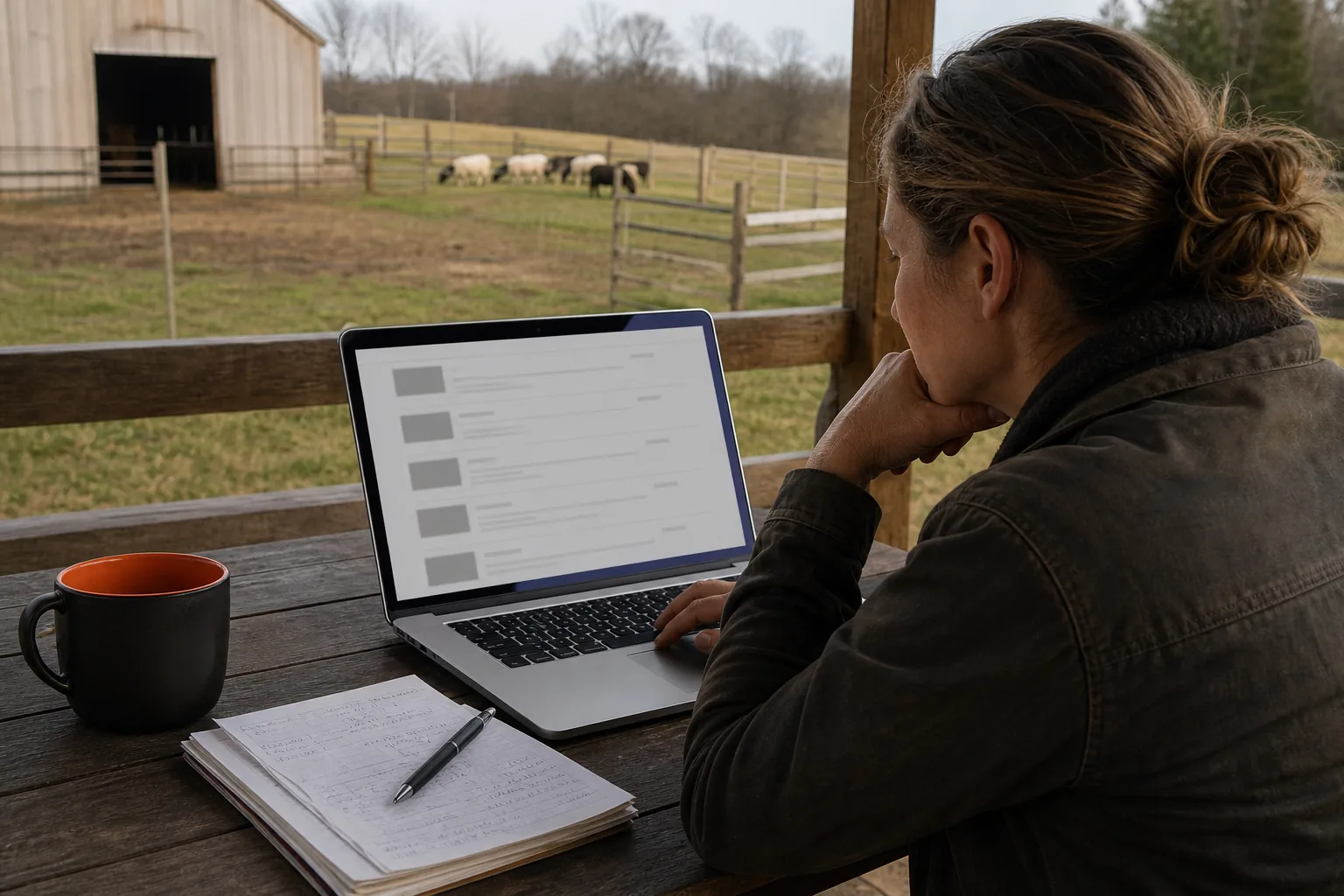
Make a short scorecard if you’re comparing two providers. Give each one a note for service fit, distance, inspection or credential needs, review detail, and current availability. The best match is the one that fits your actual job, not the one with the closest map pin.
Step 5: Contact the farm and keep the local network useful
Once you find local farms near you, send a clear first message. Include the service, animal or product, quantity, location, and the date you need it.
For example, say: “I have six market hogs near this county. I need slaughter and cut-and-wrap service in October. Are you accepting new bookings?” That gives the provider enough detail to answer without a long back-and-forth.
Ask one question at a time when the work has several handoffs. First confirm the service. Then confirm the date. Once those fit, ask about drop-off rules, payment, labels, or pickup.
Keep a record of the answer. Note who replied, what they confirmed, and when you should check back. This matters when a provider books by season or asks you to confirm closer to the date.
Share useful feedback after the job. Mention facts such as whether the provider arrived within the agreed window or followed your cut sheet. Avoid vague praise that won’t help the next homesteader choose.
Good local networks grow from useful details. A farrier’s service radius matters. A feed supplier’s delivery days matter. A fencing contractor’s experience with goats matters more than a polished profile photo.
That same thinking applies to land work and home services. If your rural property needs a pool, sauna, or hot tub installation or repair, a regional provider such as a pool, sauna, or hot tub installation and repair service may fit the service search even though it isn’t a farm supplier.
Our directory work focuses on the people homesteaders struggle to find through ordinary food maps. You can also browse the English Shepherd farm dog guide when a livestock or property need leads to a different kind of local search.
Use the site as a starting point, then confirm the details with the provider. The goal isn’t to collect names. It is to know who can help before the next animal, repair, or supply gap puts you under pressure.
For more farm topics, the The Easy Homestead blog and its older article pages can help you frame the right search. Seasonal needs change, but a clear service request works all year.
FAQ
How do I find local farms near me?
Use your ZIP code or county with the exact service you need. Search for terms such as “hog processor,” “mobile farrier,” or “feed supplier” instead of only searching for farms. Then check the provider’s service area, reviews, credentials, and current availability before you book.
How do I find a local meat processor?
Search for a meat processor, butcher, or mobile unit in your county and nearby towns. Ask whether the provider slaughters, cuts, wraps, or handles only one stage. Confirm inspection status, booking time, animal limits, and drop-off rules before you commit to a date.
What should I check on a local farm listing?
Check the service, location, travel radius, species or products covered, and current availability. Read reviews for details tied to your job. A listing can help you find local farms near you, but only direct confirmation can tell you whether the provider has an open date.
Are farm directories verified?
Some directories verify suppliers, but verification is not common. Research reviewed nine directory entries and found that Local Line described supplier-uploaded certifications with expiry tracking. Other listings may rely on submitted information or directory review, so ask what verification means before treating a listing as proof of current credentials.
How far should I search for a local farm service?
Search your county first, then expand to nearby counties and towns when the service is scarce. Your useful search radius depends on travel fees, animal transport, delivery routes, and the provider’s schedule. For a processor or specialist, a longer drive may be worth it if the service fits your needs.
Conclusion
Start with the job, search by ZIP code or county, and confirm the details before you reserve a date. For a broader search across processors, farm trades, suppliers, and homesteading goods, The Easy Homestead’s directory resources give you a place to begin. Search one needed service today, then save the provider details for the next season.