
The USDA’s inspected-processor list sounds like the right place to start. But it doesn’t include ZIP codes, prices, order minimums, or turnaround times. Here are three useful search options, from the federal establishment file to state records and local mobile processors.
1. American Egg Products, LLC
American Egg Products, LLC is listed in Blackshear, Georgia. A listing can help you identify a facility by name, city, or state, but it won’t let you filter results by ZIP code.
The file is useful for verification. It includes establishment details such as the facility name and location.
But the gaps are significant. ZIP code, minimum order, turnaround time, and price per pound were not filled in. That means a listing can tell you that a facility exists, yet still leave you without the details needed to decide if it fits your farm.
You can review the source file when you need the underlying record. Treat it as a verification tool, not as a local booking directory.
The list includes entries in Elizabeth, New Jersey. Both fall under the category of Egg Product. They don’t match the usual homesteader search for a local beef, hog, or poultry butcher.
That mismatch is easy to miss if you search only by the words inspected processor. The list may include a listed establishment, but that doesn’t mean it handles whole-animal farm orders or custom cutting for your freezer.
Use the listing to confirm a facility’s record. Then check its actual services, distance, order size, and booking dates through a local source or direct contact.
2. State agriculture inspection directories
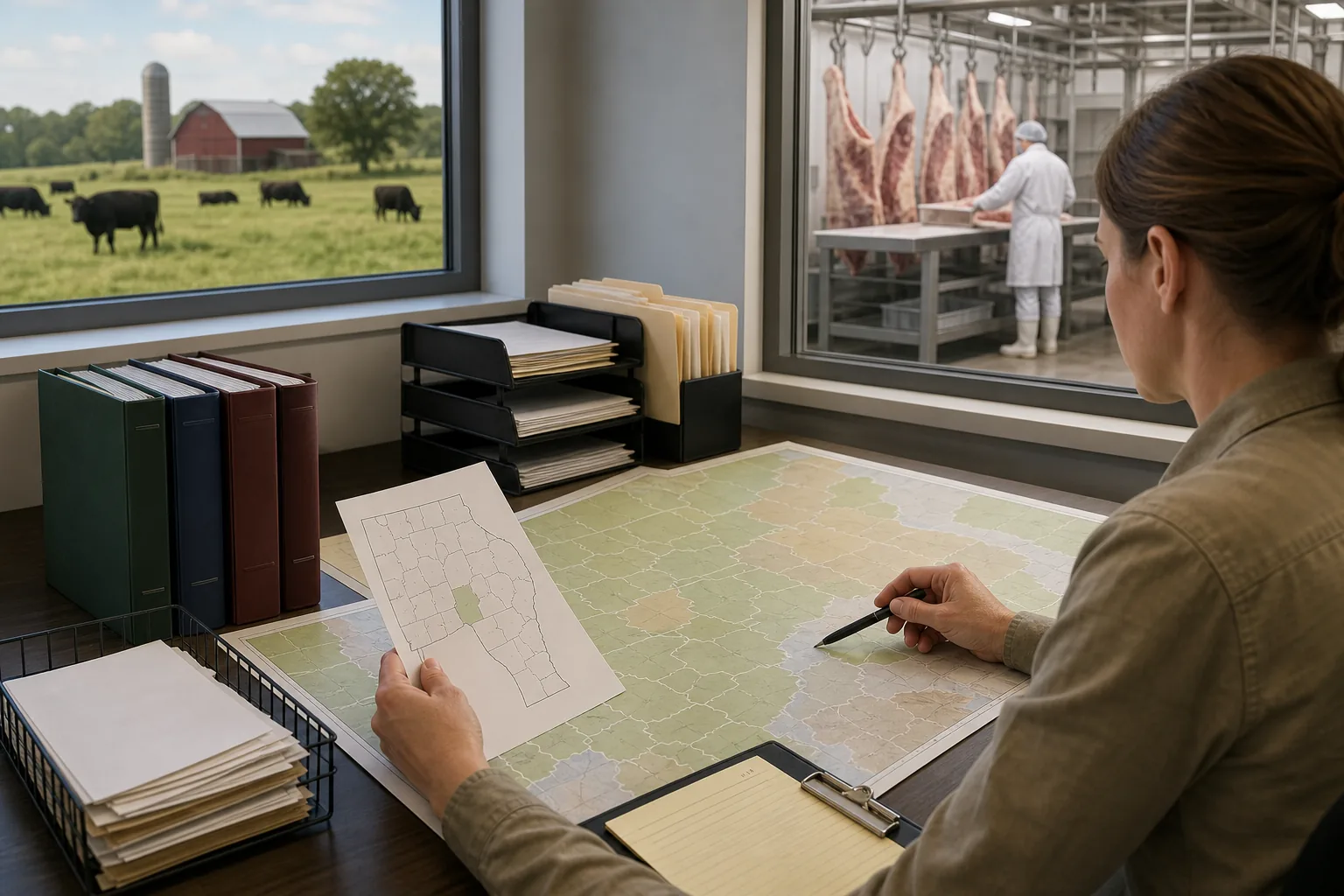
State agriculture inspection directories can help when you need to find a meat processor by ZIP code but the federal file gives you no local filter. State records may point you toward plants that serve farms in your area, especially when your sale or distribution plan doesn’t require federal inspection.
 Save
Inspection level matters because state-inspected meat usually follows state rules and may have limits on where the product can be sold. USDA inspection supports commerce across state lines. The right choice depends on where the meat will go, who will buy it, and how the processor handles the order.
Start with your state agriculture or meat inspection office. Search its site for terms such as inspected establishments, meat inspection, custom processing, or livestock slaughter. Some states publish a facility list. Others direct you to an office or regional inspector.
Federal inspection programs provide a useful reference point when comparing federal and state programs. Don’t treat the words inspected and USDA inspected as interchangeable.
A state directory can also reveal smaller plants that don’t appear in the search results you get from broad web queries. That can help if the large facilities near you are booked for months. Still, state records may have the same gaps as federal files. A listing may show a name and address without current intake dates, animal limits, or cut-and-wrap details.
Ask each facility what inspection status applies to your order. Ask where you can sell or distribute the finished meat. If the meat is for your household, ask whether the plant handles custom-exempt work and what labeling rules apply.
State records are strongest when paired with a local directory. The Easy Homestead can help you find nearby categories first, then you can confirm inspection details before making a booking.
3. Local mobile butcher and custom-exempt processor listings
Local mobile butcher and custom-exempt processor listings are often the best fallback when a fixed USDA plant is too far away or fully booked. These providers may work on the farm or serve a defined local area, so the search needs to focus on travel range and inspection status.
A mobile unit can change the logistics of processing. You may avoid hauling livestock a long distance, but you still need a clear plan for slaughter, chilling, cutting, packaging, waste handling, and freezer space. Ask what part of the job the provider handles and what must be ready before arrival.
Custom-exempt processing has different rules from USDA-inspected processing. Meat processed for the owner’s household usually cannot enter ordinary retail channels. If you plan to sell meat, supply a restaurant, or share product beyond the allowed owner relationship, ask the processor which inspection status covers that use.
Local listings can be hard to find because many small providers rely on word of mouth. Feed stores, livestock auction contacts, farm groups, and county networks may know who is still taking work. The problem is that availability and inspection details can change quickly.
Use a directory that records the provider’s service area and reviews, then verify the details yourself. You’ll want answers to these questions before you reserve a date:
- Does the processor handle your animal species and size?
- Does the work happen on your farm or at another site?
- What inspection status applies to the finished meat?
- Who handles chilling, cutting, wrapping, and disposal?
- How far ahead does the provider book?
The mobile meat processor search guide is useful when a fixed plant isn’t workable. Keep a second option in reserve. A mobile provider may cover your county but still have no open dates during peak season.
Comparison table: which processor search option fits your job
The best search option depends on what you need to confirm first. If the main problem is distance, begin with ZIP-based listings. If the main problem is federal status, confirm the applicable inspection information. If your order has unusual rules, speak with the processor before moving an animal.
| Search option | Best use | What it gives you | Main gap |
|---|---|---|---|
| American Egg Products, LLC | Locating a listed facility | Blackshear, GA | Services are not listed here |
| State inspection directory | Finding plants covered by state programs | State-level facility information | Coverage and detail vary by state |
| Mobile or custom-exempt listings | Reducing haul distance or handling household meat | Local providers and possible on-farm service | Inspection limits and service scope vary |
For most homesteaders, the fastest path is to search by ZIP code first. Then check the inspection category and ask about the exact order. That approach cuts down the time spent calling facilities that don’t handle your animal or sales plan.
FAQ
How do I find a USDA inspected meat processor by ZIP code?
The fastest way is to start with a ZIP-based local directory, then confirm the processor’s federal inspection status. The Easy Homestead lets you search by ZIP code or county. A federal establishment directory can verify listed establishments, but it doesn’t provide a ZIP-code filter or current booking details.
Does the USDA processor directory include ZIP codes?
No, the establishment file reviewed for this search does not include ZIP codes. It provides facility information such as name, city, and state. You’ll need a local directory, a state record, or a direct search to connect those facilities with a usable driving distance.
Are state-inspected and USDA-inspected meat the same?
No, state-inspected and USDA-inspected meat are different inspection categories. USDA inspection supports sales across state lines. State inspection follows the rules of the state program and may limit where the meat can be sold. Ask the processor which status covers your planned use before booking.
Can a mobile butcher process meat for sale?
A mobile butcher may be able to process meat for sale, but the answer depends on the unit’s inspection status and your sales plan. Custom-exempt work generally applies to the owner’s household use. Ask who owns the animals, where the meat may be sold, and which inspection rules apply.
What should I ask a meat processor before booking?
Ask whether the processor handles your animal type, what inspection status applies, and how far ahead it books. Confirm the minimum order, cut options, packaging, chilling plan, pickup rules, and total price structure. These details matter because the federal directory does not list most of them.
Conclusion
Start with The Easy Homestead when you need a nearby processor and want to search by ZIP code or county. Use FSIS or your state inspection records to verify the facility, then confirm services and availability before you haul an animal. Search local meat processors on The Easy Homestead before your next processing season fills up.