A local hatchery search can turn into a week of dead ends, especially when you need a certain breed by a set date. In a review of 40 hatchery entries, only 2 listed a price range, while shipping details appeared for 22. Use the steps below to narrow the field before you spend time messaging sellers.
Step 1: Decide what poultry stock and timing you need
Start your hatchery near me search with the flock you need, not with the first listing that appears. Write down the species, breed type, number of birds, target arrival week, and whether you need sexed chicks or straight run stock.
Think in terms of the job each bird must do. A meat flock has a different schedule from replacement layers. Heritage birds may need a specialist. Ducks, geese, turkeys, quail, and guinea fowl can follow different hatch calendars, so don’t assume one hatchery handles every species well.
The review found that chickens made up 42% of species entries. Ducks appeared in only 6%. Quail, peafowl, and other less common birds made up a small share of the list. If you need waterfowl or unusual stock, search by species first, then add your location.
For breed selection, write down your must-have traits before you browse. Egg color, winter hardiness, carcass size, broodiness, temperament, and feed use can change the right choice. Our guide to laying hen breeds for working flocks can help you compare those traits without relying on a hatchery’s sales copy alone.
Set a firm date for the birds to arrive. Day old chicks need a ready brooder, clean water, feed, and a safe heat setup before they leave the hatchery. If the date slips, your labor plan may slip too.
A hatch date is not always the same as an arrival date, so record both when you compare listings.
Key Takeaway: Your search will move faster when you know the species, breed traits, bird count, and arrival week before you look.

Step 2: Search by ZIP code, county, and a usable driving radius
Search for a hatchery near me in three passes: ZIP code, county, then driving distance. A ZIP search may miss a farm just across a county line. A county search may show a supplier that looks close on a map but sits two hours away on back roads.
Start with your ZIP code in The Easy Homestead directory. Then search your county and nearby counties. The directory is built for local homesteading suppliers, with search by ZIP code or county and listing details meant to reduce the usual Facebook group guesswork.
Set your driving limit before you fall in love with a listing. For day old birds, pickup may reduce transit stress and give you a chance to ask about the flock. But a longer drive can erase that benefit if the trip takes most of a workday or requires an overnight stay.
Sort results into three groups:
- Local pickup hatcheries within your normal farm run.
- Regional hatcheries that ship to your state.
- Specialist suppliers worth contacting when you need heritage or uncommon birds.
Look for an actual service area, not a vague claim about nationwide reach. Shipping rules can vary by state and species. Some birds may also face local restrictions, especially when wildlife or disease control rules apply.
A hatchery’s own delivery method can help you judge the listing. Check its stated service area and order minimum, then confirm the local arrival point before ordering.
When local coverage is thin, say so plainly. Use the nearest verified option as a lead, then check if the supplier has a pickup route or seasonal drop point. A directory should help you see that gap instead of pretending every county has several choices.
For less common birds, broaden the search term. Our page on finding guinea fowl near you is useful when a general poultry search keeps returning chicken listings.
Step 3: Verify breeds, availability, and hatchery details before calling
Before you contact a hatchery near me result, verify the details that affect your flock. The listing should tell you the species, breed or cross, hatch window, pickup or shipping method, minimum order, and any replacement policy.
Ask for the exact breed name. “Brown layers” is a production description, not a breed. “Heritage” also needs more detail. The research found heritage focus in 45% of entries, but half of those heritage focused suppliers specialized only in heritage breeds. That split matters when you want a specific genetic line rather than a general farm bird.
Check whether the birds are available now or only listed as a future option. Ask which dates still have room. A hatchery may list a breed all season while the next open date sits weeks away.
Use this short question list:
- What breed or cross is available on my target date?
- Are the birds sexed, straight run, or mixed?
- What is the minimum order for this species?
- Where will pickup happen, or which post office receives shipped birds?
- What should I do if birds arrive weak or die soon after arrival?
- Are there state or county rules that affect this order?
Waterfowl often needs a separate search. Check the provider’s listed species, availability, and ordering details.
Don’t treat a polished breed page as proof of current stock. Ask for a written confirmation of the date and bird type. Save the reply with your order notes.
We built The Easy Homestead around this verification problem. Listings can show the supplier’s location, category, reviews, and available details in one place. That won’t replace your questions, but it gives you a better starting list.
Step 4: Compare pickup, shipping, order size, and replacement policies
Compare the full cost and risk, not the chick price alone. A hatchery near me may be cheaper to reach, while a distant supplier may have the breed you need but add shipping, a larger minimum, or a longer wait.
Put each option into a note with these fields:
- Bird cost, if listed.
- Shipping or pickup cost.
- Minimum order for the species.
- Expected dispatch and arrival window.
- Weather delay rules.
- Live arrival or replacement terms.
The research found that only 5% of the reviewed hatcheries listed any price range. One named provider, Alchemist Farm, lists a flat $60 overnight express shipping charge for up to 75 chicken chicks. That is useful information, but it does not tell you the bird price, so keep shipping and stock cost in separate columns.
Shipping disclosures appeared for 55% of the entries. Reported waits ranged from 8 to 60 days. Treat any missing shipping window as an unanswered question, not as a promise of quick delivery.
Minimum order rules can decide the match. Some hatcheries set a count that protects birds during transit. Others allow smaller pickup orders. Murray McMurray Hatchery’s six chick minimum details explain that its small standard breed orders are limited to certain months and may be delayed in unsafe weather.
Read replacement rules before you pay. Check the reporting deadline, the condition of the birds, and whether a replacement must meet another minimum. Also check who handles the claim. A policy that requires prompt records is manageable. A policy you haven’t read can leave you stuck.
If you choose pickup, confirm the exact handoff point and time. If you choose shipping, plan for the receiving day instead of treating the post office notice as an afterthought. Your brooder should be ready before the birds move.
For farms that process their own poultry, the hatchery choice is only one part of the schedule. Keep your processing dates separate from the flock arrival plan, and use a local poultry processor search when outside help becomes part of the plan.
Step 5: Reserve stock and keep a backup source for the season
Reserve birds once the breed and date match your farm plan. Waiting for a perfect local result can leave you with a different breed, a later hatch, or no birds at all.
Before you submit the order, confirm five details in writing:
- Species and breed.
- Bird count and sex selection.
- Hatch or pickup date.
- Delivery point or farm pickup instructions.
- Cancellation and replacement terms.
Save the confirmation in a folder with your brooder notes. Record the hatchery’s name, order number, date, and the person or form used for questions. If a shipment arrives with a problem, clear records save time.
Keep one backup source for the season. Your second option might be a local pickup supplier, a regional shipper, or a hatchery that carries the same type of bird. The backup doesn’t need to be your favorite. It needs to cover the same need if the first date closes.
Use The Easy Homestead to compare nearby listings before the busy part of the season. Search by county first, then check the listing details and reviews. The directory’s goal is direct: find who you need and trust what you find.
Pro Tip: Reserve the brooder space before you reserve the birds. A delayed hatch is easier to handle than chicks arriving while your heat setup is still half built.
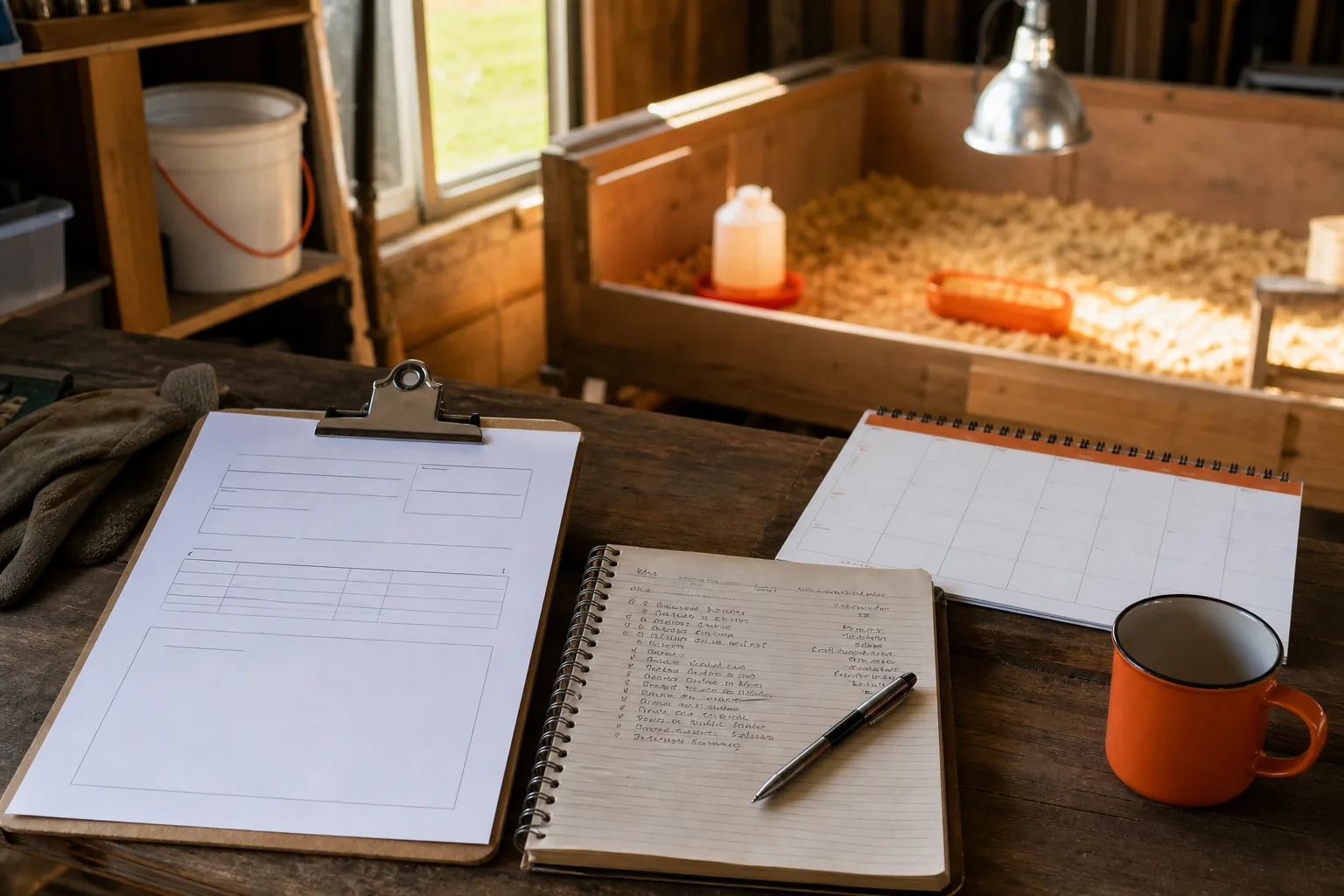
Once the order is placed, stop searching unless the supplier changes the date. Put your energy into feed, heat, fencing, and the first week’s care.
FAQ: Finding a hatchery near me
How do I find a hatchery near me?
Search by ZIP code first, then search your county and nearby counties. The best result depends on the species, breed, pickup range, and arrival date you need. The Easy Homestead lets you search local homesteading suppliers by ZIP code or county, which can cut through scattered social posts and outdated lists.
Are local hatcheries cheaper than shipped chicks?
Local pickup may reduce shipping cost, but it isn’t always cheaper overall. Compare the bird price, travel distance, order minimum, and lost work time. Many hatcheries don’t publish prices, so ask for the full order cost before you reserve stock. A nearby supplier can still cost more if it carries a rare breed.
How far in advance should I order chicks?
Order as soon as your flock date is firm, especially for heritage breeds or uncommon species. The reviewed entries showed shipping waits ranging from 8 to 60 days where timing was disclosed. Ask which hatch dates still have room. Don’t assume a breed page means birds are available this week.
What should I ask a hatchery before ordering?
Ask about the exact breed, sex selection, minimum order, hatch date, arrival window, pickup point, and replacement policy. Also ask what happens during unsafe weather. If the supplier can’t give a clear answer about timing or order terms, keep looking or use that provider only as a backup.
Can I find ducks or other poultry near me?
Yes, but you may need a species specific search. Chickens dominate hatchery listings, while ducks and less common birds appear less often. Search for ducks, geese, turkeys, quail, or guinea fowl with your county name. Then verify the hatch calendar because unusual stock may have a shorter season.
Conclusion
Start with your flock job and target date, then use ZIP and county searches to find a workable supplier. Compare the full order terms before you reserve birds, and keep one backup source for the season. When you’re ready, search verified poultry suppliers on The Easy Homestead and make the first contact with your questions already written down.