A homestead service directory can cut a three-week search down to one focused session. The trick is to search by the exact job, filter by location, then check trust signals before you book. Use these steps to find meat processors, farriers, hatcheries, feed suppliers, and other local providers through The Easy Homestead.
Step 1: Define the service you need before you search
Start with the job, not a broad phrase like “farm help.” A homestead service directory works best when you search for the task you need done right now.
Write down the animal, material, location, timing, and service type. For example, “custom pork processing near my county” gives you a better starting point than “local farm services.” If you need a mobile meat processor, say so. A mobile unit may come to your property, while a fixed shop requires transport and a set drop-off time.
Meat processing needs extra care because availability can shape your whole plan. Ask whether you need USDA inspection, state inspection, or custom processing for personal use. The right choice depends on who will eat the meat and whether you plan to sell it. If you’re comparing options, start with this guide to meat processing services near you.
Then split the request into one main need and one backup need. Your main need might be a butcher for two hogs. Your backup could be a mobile processor with a later opening. This keeps the search focused without leaving you stuck when the first provider is booked.
Use the same approach for animal care. “First hoof-care provider for two goats” is more useful than “livestock services.” A hoof-care provider trims and cares for hooves, but each provider may focus on different animals. One listing may fit horses and goats. Another may only work with horses.
The Easy Homestead groups services by the kind of work homesteaders actually need. Categories include meat processors, farriers, shearers, hatcheries, feed and seed suppliers, beekeeping suppliers, large-animal vets, fencing crews, and farm construction providers.
Pro Tip: Before you search, write the service in one sentence. Include the animal or material, the number involved, your county, and your target date.
By now, you should have a clear search phrase and a fallback plan. That alone removes much of the noise from local Facebook posts and scattered web results.
Step 2: Search by ZIP code or county and check nearby categories
Enter your ZIP code or county in the homestead service directory, then check nearby categories before you settle on one listing. Location matters because a provider may serve a limited radius, charge for travel, or group visits by area.
A ZIP code helps narrow a search to a local delivery area, but county search can work better in rural places. Your closest provider may sit across a county line. County boundaries matter in local records. The same pattern appears in rural service searches.
Search your home ZIP code first. Then search your county. If both return thin results, widen the area one county at a time. Don’t jump straight to statewide results. A long list can look useful while hiding the travel time that makes a provider impractical.
ZIP codes are postal areas, not a perfect map of distance. Use the search result as a starting point, then confirm the provider’s service area in the listing.
Check related categories while you have the search open. A meat processor may be listed near a local butcher. A fencing contractor may appear beside farm construction. A shearer may be grouped with mobile farm services. These adjacent categories often solve the next problem in your production plan.
For example, you may need a butcher after raising pigs, but you may also need a livestock trailer, freezer space, or a fence repair before the next batch arrives. A directory that covers only farmers won’t help with those jobs. Eatwild lists local farmers, but its directory does not provide the service categories, filters, verification, or review tools you need for this kind of search.
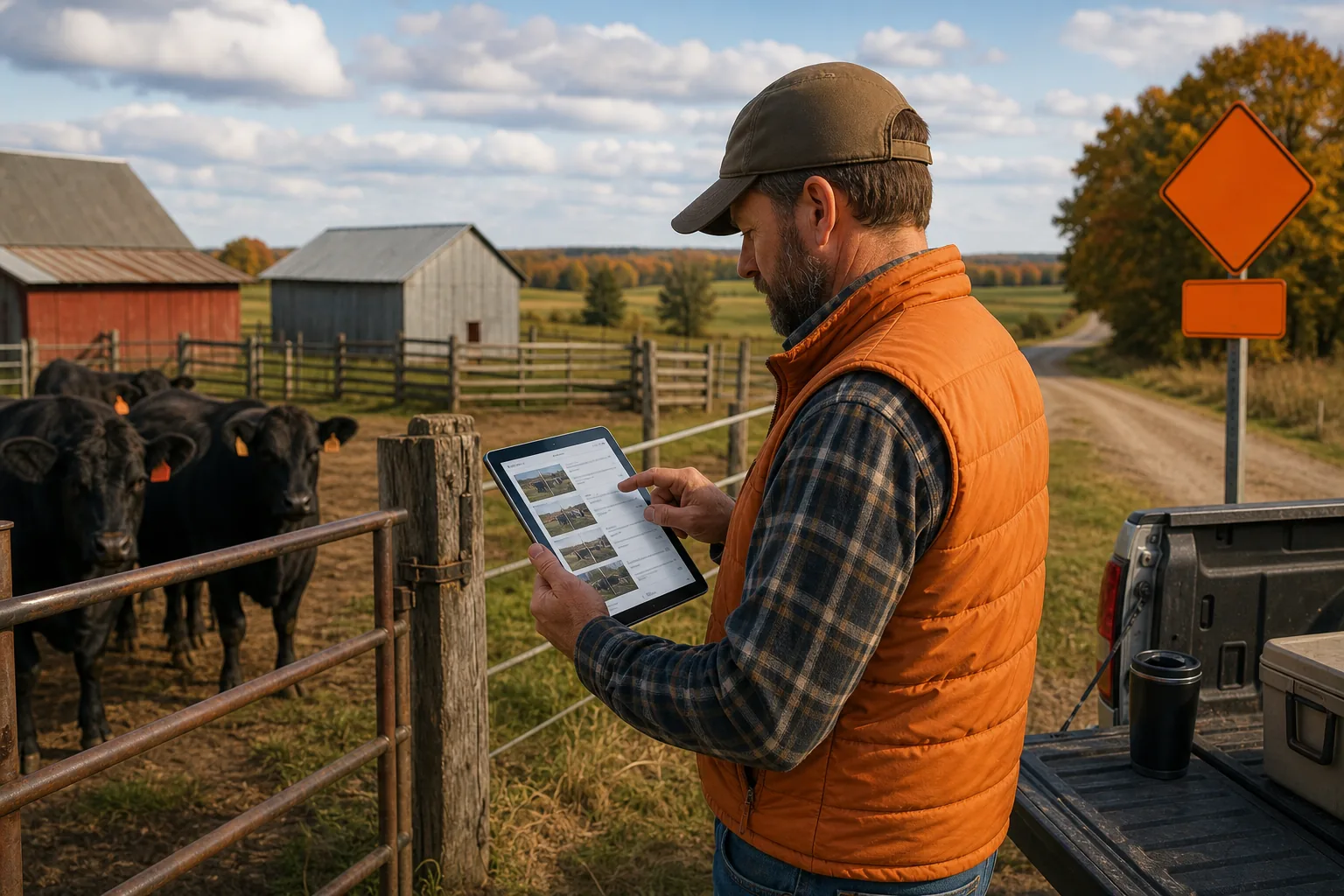
Keep a short list of providers that serve your area. Three strong local matches are more useful than twenty listings from places you can’t reach. If the directory has no listing in your county, treat that as useful information. You may need to widen the radius or ask a nearby feed supplier who travels into your area.
The milestone here is a local shortlist grouped by distance and service type. Next, you need to decide which listings deserve a message.
Step 3: Check listing details, verification, and recent reviews
A listing in a homestead service directory is only a lead until you check its details. Look for signs that tell you who the provider serves, what work they take, and how recently the information was checked.
Start with the service description. Does it name the animals or materials involved? Does it state a service area? Does it explain mobile visits, drop-off work, farm calls, or delivery? A vague listing forces you to ask basic questions before you can judge fit.
Next, look for verification. Verification should tell you that the directory has checked key business details through its own process. It doesn’t guarantee that every booking will go well. It does give you a stronger first filter than an unverified name in a comment thread.
Reviews add another layer. about a horse farrier may tell you little about goat hoof care. A review about a small poultry order may not predict how a hatchery handles a large seasonal order.
Look for recent comments about timing, communication, animal handling, pickup rules, and finished work. Pay attention to repeated issues. One complaint may reflect a single mismatch. Several similar complaints deserve a direct question before you book.
For a farrier, check whether the listing fits your animal mix and travel area. You can review a local service provider such as a local service provider to see the kind of detail you should look for in a service profile.
For feed, seed, or beekeeping supplies, check whether the listing matches the season and scale of your operation. A small shop may suit weekly feed runs but not a bulk order. A supplier with bee equipment may not carry the exact parts you need during swarm season.
The Easy Homestead uses verified listings and real reviews because experienced homesteaders can’t afford much trial and error with essential work. A missed processing slot can affect freezer plans. A poor fence job can put animals at risk. Trust signals help you choose where to spend your next message or visit.
Still, don’t treat a verified badge as a substitute for a conversation. It narrows the field. Your questions confirm the fit.
Step 4: Ask the questions that prevent a bad booking
Use the homestead service directory to find providers, then ask direct questions before you share a deposit or schedule a farm visit. Good questions expose limits early.
Start with availability. Ask for the next open date and how far ahead the provider usually books. Meat processors may fill slots months out, especially during busy harvest periods. If you wait until the animal is ready, you may have few choices left.
Ask what the provider needs from you. A processor may need animal counts, approximate weights, cut instructions, or a deposit. A farrier may need safe handling space and a clear count of animals. A fencing crew may need property access and a marked line.
- What animals or materials do you handle?
- What area do you serve, and is there a travel fee?
- What is your next available date?
- What must I prepare before you arrive?
- What happens if weather or an animal issue changes the plan?
- Which inspection or licensing rules apply to this service?
For meat work, ask whether the provider is USDA inspected, state inspected, or a custom processor. Don’t assume those terms mean the same thing. Explain your intended use and ask the processor which service fits it.
For livestock care, ask how the provider handles nervous, young, or difficult animals. You know your herd better than a directory profile can show. Share the facts that affect the job, including prior injuries or handling concerns.
Ask for the full cost in writing. You don’t need a perfect estimate before a first conversation, but you do need to know what can change the total. Travel, rush work, extra cuts, added materials, and missed appointments may affect the final amount.
Keep notes in one place. Record the provider’s name, service area, next opening, inspection status if relevant, and any prep rules. If you compare three listings, these notes stop the details from blending together.
A provider who answers clearly may still be booked. That’s fine. Save the name if the fit looks good, then ask whether they keep a cancellation list. A useful contact today may become your main contact next season.
Step 5: Save reliable providers and build your local supply network
A homestead service directory becomes more useful after your first successful booking. Save providers by category so the next search starts with people you already checked.
Make a short local list for each recurring need. Your list might include one meat processor, one backup processor, a hoof-care provider, a feed supplier, a large-animal vet, and a fencing contact. Add the date you last used each provider and any detail that will matter next time.
Use the same list for seasonal planning. Hatchery orders need lead time. Sheep shearing follows a narrow window. Fence work may depend on ground conditions and crew schedules. Saving the right contacts lets you plan before the urgent stage.
Then fill the gaps around your main service. If you raise bees, keep a supplier saved beside your hive notes. The Easy Homestead’s Beekeeping Suppliers near Knoxville, TN category is built for that kind of local search.
Do the same with feed and seed. A dependable source matters when a feed mix changes or a crop window opens. You can compare local options in Feed & Seeds near Knoxville, TN before you run out of stock.
Your network should cover more than animal care. Land design can help when a pasture plan keeps failing. A permaculture provider can assess water flow, access, and planting zones before you move soil or add beds. Browse Permacultures near Knoxville, TN when the problem needs a site plan rather than another quick fix.
Farm-made goods may also belong in your local buying list. Soap, tallow, candles, and salves can come from nearby makers who understand farm materials. The Farm-Made Goods near Knoxville, TN category keeps that search separate from service trades.
Keep notes honest. Mark a provider as “good fit,” “backup,” or “needs follow-up.” Don’t give a five-star rating because the person was friendly if the work missed the agreed date. Reviews help other homesteaders when they describe what happened and what type of job was involved.

Over time, your saved list becomes a working supply network. It won’t remove every shortage or booking delay. It will stop each new need from sending you back to the same scattered search.
FAQ
What is a homestead service directory?
A homestead service directory is a local search tool for providers who support working farms and homesteads. It can help you find meat processors, farriers, hatcheries, feed suppliers, large-animal vets, fencing crews, and other niche services. The best directories let you filter by location and review provider details before you make contact.
How do I find a meat processor near me?
Search for a meat processor by ZIP code or county, then check inspection status, service type, availability, and reviews. Ask whether the provider handles your animal and intended use. A homestead service directory can show fixed-site processors and mobile units, but you still need to confirm the booking date and cut instructions directly.
Are directory reviews enough to trust a farm service?
Directory reviews are useful, but they aren’t enough on their own. Read comments that match your animal, job size, and timing needs. Then ask the provider focused questions about preparation, travel, cost changes, and cancellations. A verified listing plus relevant reviews gives you a better first filter than an unverified social post.
What should I do if my county has few listings?
If your county has few listings, expand the search one nearby county at a time. Then ask feed suppliers, vets, and other providers whether they know specialists who travel to your area. The Easy Homestead is growing its local coverage, so a thin result set should be treated honestly rather than padded with businesses that don’t serve you.
Can I use a directory to find farm-made goods?
Yes, you can use a homestead service directory to find local farm-made goods such as soap, tallow, candles, and salves. Check the listing for location and product details before you buy. This search differs from finding a trade, so look for a maker who can explain materials, pickup, delivery, and any limits on custom orders.
Use The Easy Homestead when you need a local provider and want more than a name in a search result. Start with one urgent need, search by county, and save the best verified match for the next season.