A farm butcher may charge $220 for a whole beef, but custom cutting can add far more. One published example adds $1.15 per pound for custom cuts and wrapping, so the headline fee does not tell the whole story.
Here are the three provider types and named options worth checking when you’re pricing a whole-cow order.
1. Bent Gate Farms
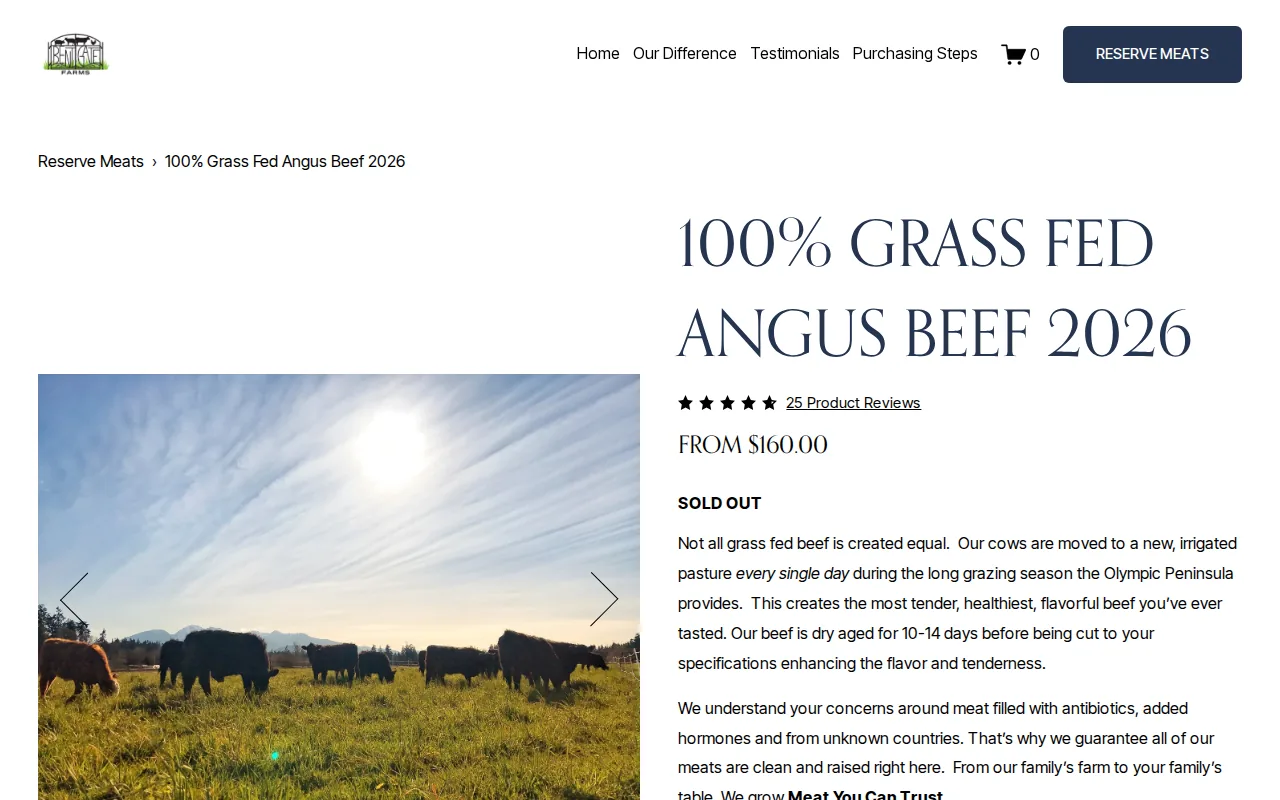
Bent Gate Farms has the clearest published price of the group: $220 per whole beef on the Olympic Peninsula. Its listed base service includes on-farm slaughter.
 Save
That fee may look low beside the numbers many homesteaders expect. But the custom-cut charge changes the math. Bent Gate Farms lists an extra $1.15 per pound for custom cuts and wrapping.
Consider a 1,200-pound carcass. At that rate, custom cutting and wrapping would add $1,380. The added fee would exceed the $220 base slaughter charge by more than six times.
This example does not mean every butcher weighs or bills the same way. It shows why you need to ask what “per pound” means. The charge may apply to hanging weight, carcass weight, or another weight used by that processor. The published information does not state the exact weight basis.
It also does not list a minimum weight or turnaround time. Those gaps matter if you have a large animal, a full freezer, or a date tied to another farm sale.
Before you book a service with a similar price model, ask for a written estimate with these lines:
- Base slaughter fee
- Weight used for the custom-cut fee
- Cutting and wrapping rate
- Fees for organs or specialty handling
- Travel or pickup charges
- Estimated completion date
Both slaughter and processing can sound like one bundled service. They may be separate charges. Ask your butcher which inspection path applies to your order.
Bent Gate Farms is a useful benchmark, not a national average. Its price applies to one operation in one region. Treat the $220 figure as a starting point for questions, not as the amount you should expect everywhere.
2. On-farm slaughter and custom-wrap farm butchers
On-farm slaughter and custom-wrap butchers are often the closest fit for a homesteader who wants the animal handled at home. Their price may combine travel, slaughter, chilling, cutting, and wrapping, or it may split each task into a separate charge.
That difference explains why two quotes can look far apart. One butcher may give you a flat per-head fee. Another may charge a lower kill fee, then add a per-pound rate for the work that follows. A mobile unit may also add a dispatch or travel charge when the farm sits outside its normal area.
Ask how the animal moves through the process. Does the butcher kill on site and take the carcass away? Does a mobile unit complete the cut work at your farm? Does the carcass go to another facility for chilling? Each handoff can affect the final bill and the timing.
Our page on finding a mobile butcher near you covers the local search side of this problem. It can help you build a short list before you start asking about dates and rates.
Inspection status needs a direct answer. Custom-exempt work is not the same as meat processed for resale. State-inspected and USDA-inspected facilities can have different rules about where the meat may go. The Wikipedia overview of meat inspection gives useful background on why inspection systems differ, but your state agency and butcher control the rules for your order.
On-farm service can save a long livestock haul. It can also have limits. Some providers may serve only a set radius, require a minimum number of animals, or book slaughter dates far ahead. Published sources do not give standard figures for those limits.
Choose this provider type when keeping transport short matters most. Get the full quote before you assume the base fee covers the wrap.
3. USDA-inspected processors handling whole-cow orders
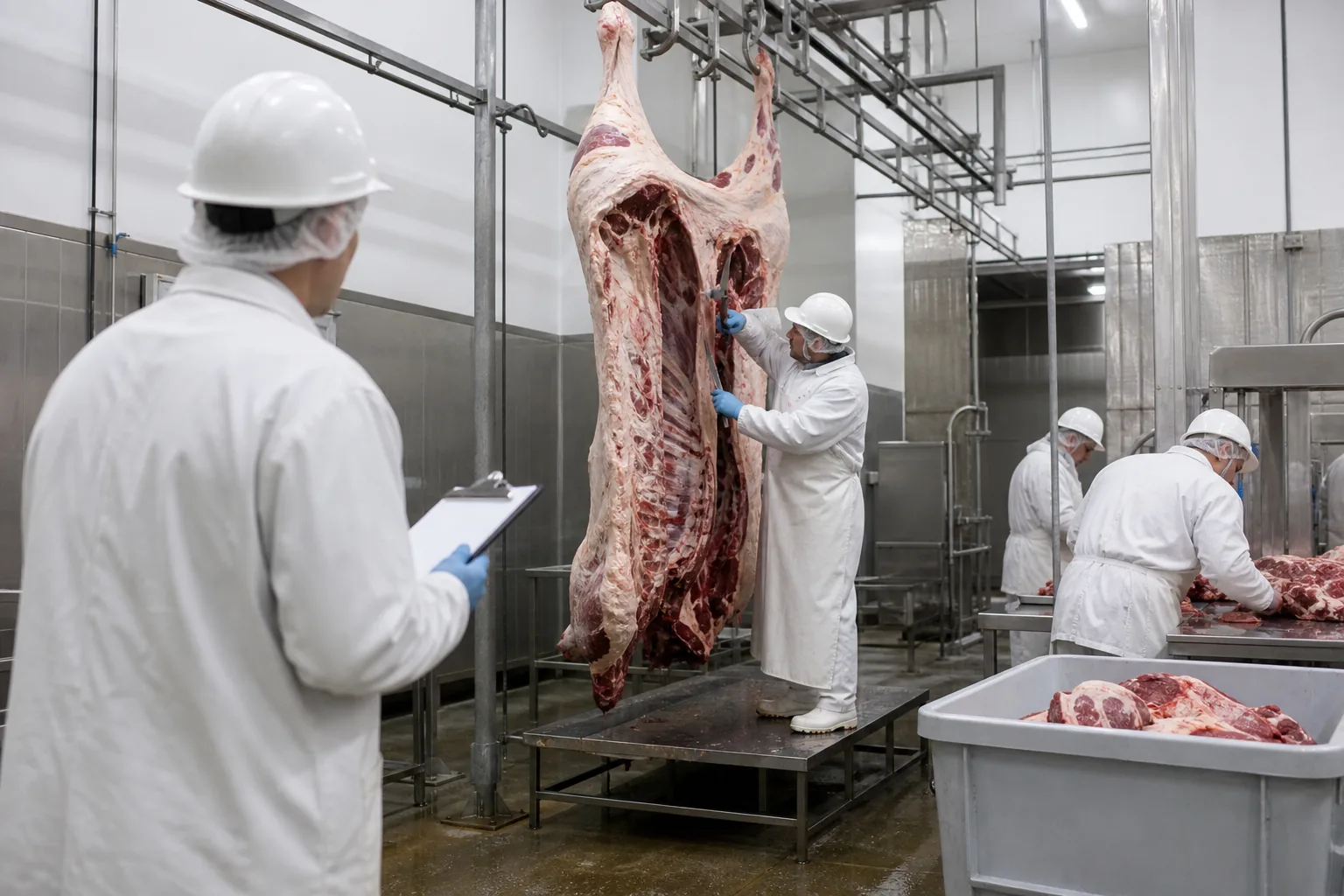
USDA-inspected processors are the right category when you need meat handled through a federally inspected facility, especially if the beef will enter commerce. Their price for a whole cow may be quoted as a package, by weight, or through several separate charges.
 Save
Do not compare a USDA processing quote with an on-farm slaughter fee until you know what each includes. A fixed-site plant may bill for slaughter first, then add cutting, wrapping, storage, labels, or special cuts. The provider may also require you to arrange transport to the plant.
Ask these questions before you reserve a slot:
- Is the plant accepting whole-cow orders now?
- What inspection status applies to the finished beef?
- What weight sets the cutting charge?
- Are standard cuts included in the quoted rate?
- What does custom wrapping cost?
- How long will the order stay in the plant’s queue?
- When and where can you collect the finished packages?
For many small farms, the hardest part is availability. A plant can have the right inspection status and still be a poor fit if its next opening comes after your planned slaughter date.
Use The Easy Homestead to search for meat processors and local butchers by county, then confirm the inspection details with each provider. Our guide to finding a USDA-inspected butcher near you can help you sort fixed-site processors from mobile services.
The published figures do not add up to a national average. That is why any answer to the question “how much does a farm butcher charge per cow” should name the fee type and region.
A whole-cow quote without a cut-and-wrap line is incomplete. Ask for that line before you compare it with a farm that posts a low slaughter fee.
FAQ: farm butcher charges per cow
How much does a farm butcher charge per cow?
A farm butcher may charge $220 per whole beef in one published example, but that is not a national rate. Bent Gate Farms lists $220 for on-farm slaughter, then adds $1.15 per pound for custom cuts and wrapping. Your total depends on region, weight basis, inspection status, travel, and the work included.
Is $220 the full cost to butcher a cow?
No, $220 may cover only the listed on-farm slaughter charge. In the Bent Gate Farms example, custom cutting and wrapping cost another $1.15 per pound. Ask whether the quote includes cutting, wrapping, organs, cooling, transport, and storage before you compare it with another farm butcher.
Do farm butchers charge by the cow or by the pound?
Farm butchers may use either method, or combine both. A provider can charge a flat slaughter fee and then bill custom work by weight. One published price list pairs a $220 per-head fee with a $1.15 per-pound custom-cut charge, while another lists extra flat fees without publishing its base price.
Does on-farm slaughter include processing?
Not always. On-farm slaughter may cover the kill while cutting and wrapping happen later or cost extra. The provider needs to explain each handoff. Ask where the carcass will be chilled, who will cut it, and whether the final meat is for personal use or resale.
How do I find a farm butcher near me?
Start with a local directory that lets you search by ZIP code or county, then confirm availability with each butcher. The Easy Homestead lists local processors and farm service providers, but you still need to verify inspection status, service area, booking dates, and the full fee breakdown before reserving a slot.
Conclusion
Use $220 as a reference point, not a promised total. The safest next move is to find nearby processors through The Easy Homestead, then request a written quote that separates slaughter, cutting, wrapping, weight charges, and transport.