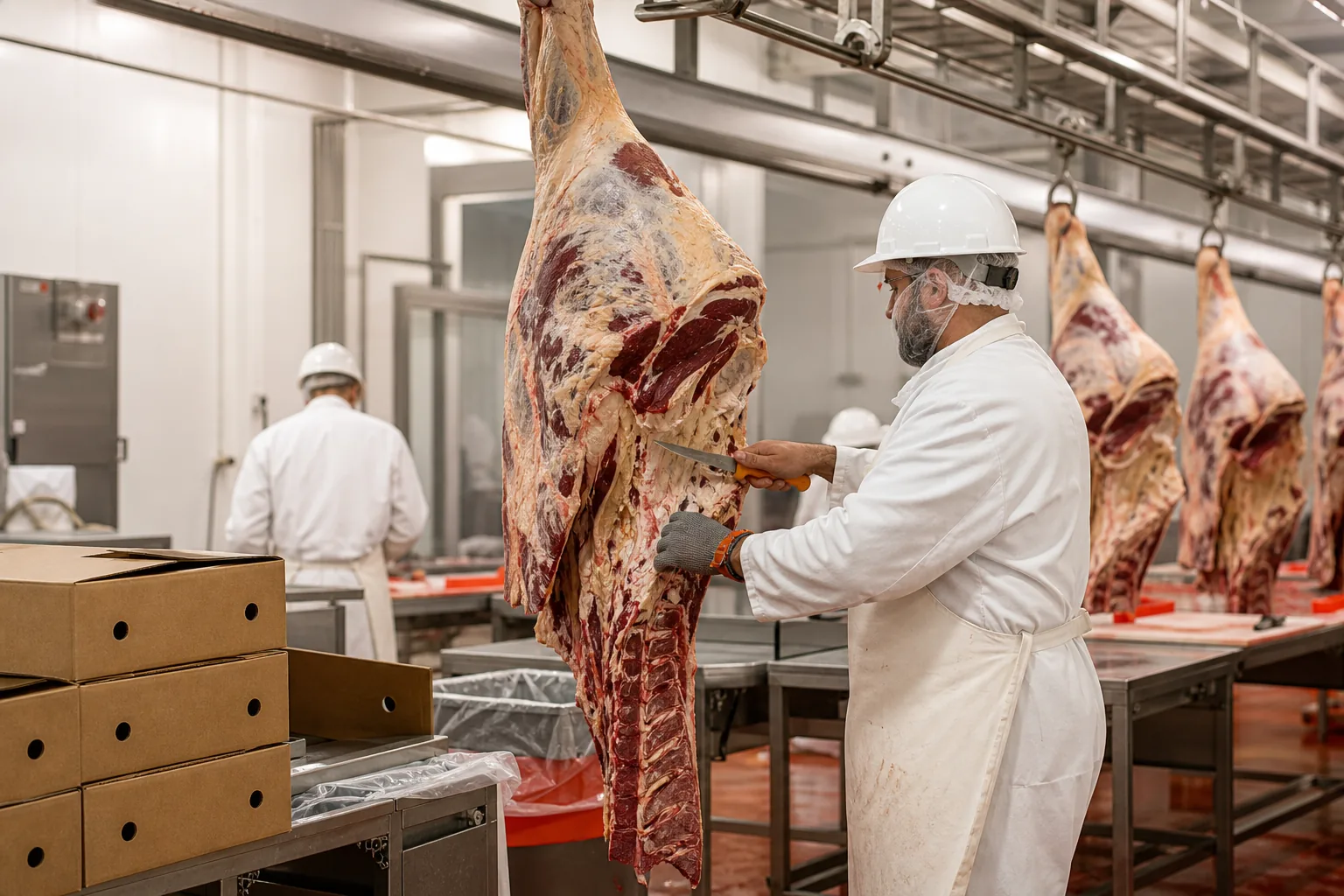
A USDA inspected butcher doesn’t charge one fixed fee per cow. Your bill depends on the processor, carcass size, cut sheet, packaging, transport, and inspection setup. The useful answer is a quote breakdown, not a made-up national average.
Requirements for eligible meat sales don’t set the butcher’s retail price. Here’s how the charge is built and how to compare quotes before your slaughter date.
We pulled 2026 rate sheets from seven named USDA inspected beef processors, including Carbon County Meats, Cedar Road Meats, and Piedmont Custom Meats. Cushman Meat Processing, Circle V Meat, Kiko Meats, and Malafy’s Meat Processing rounded out the sample. Per-head slaughter fees ranged from $65 to $150, and per-pound cutting rates ranged from $0.70 to $1.35, nearly double the low end. Four of the seven also billed separate disposal, oversized-carcass, or minimum-order fees, confirming why a single per-cow number cannot replace a full quote breakdown.
What a USDA inspected butcher typically charges per cow
When you ask how much a USDA inspected butcher charges per cow, ask what the quote includes. The total may combine slaughter, dressing, chilling, cutting, packaging, inspection-related work, and storage.
USDA inspection itself isn’t the same thing as a single fee added to your bill. The processor sets its own service prices. For background, review inspection requirements.
Many processors quote by the head. Others use a carcass-weight rate, a hanging-weight rate, or separate charges for each stage. Some add a minimum charge when one animal doesn’t produce enough volume to cover the work involved.
That means two quotes can look different while landing near the same final cost. One processor may place cutting and wrapping into one per-pound line. Another may show slaughter, cooler time, cutting, grinding, and packaging as separate charges.
The main charge lines
A written quote for one cow may include these parts:
- Slaughter and dressing: Work done at the plant after the animal arrives.
- Inspection or facility fees: Charges tied to the inspected plant’s operating model.
- Chilling: Cooler space and handling before the carcass is cut.
- Cutting: Breaking the carcass into steaks, roasts, stew meat, and ground beef.
- Packaging: Paper wrap, vacuum bags, labels, or another package type.
- Special work: Boning, extra trim, patties, links, organ handling, or specialty cuts.
Ask whether the quote uses live weight, hanging weight, or finished product weight. Those numbers are different. A live-weight quote can sound low until you compare it with a processor that charges from the hanging weight.
Your cut sheet also changes the labor. A basic cut sheet takes less shop time than one with boneless steaks, small roasts, thin slices, patties, or many labeled portions. Vacuum sealing can add cost when it is priced apart from cutting.
We recommend requesting the quote in writing before you reserve a date. If you want help finding processors who state their inspection status, use ways to find a USDA inspected butcher near you and compare the questions each listing helps you answer.
Key Takeaway: The best per-cow quote is the one that states its weight basis and lists every included service.
Why one butcher’s quote can differ from another
The answer to how much a USDA inspected butcher charges per cow can change sharply by region and shop. A fixed-site plant with a full cutting room prices the job differently from a small processor that sends work elsewhere.
Animal size and condition
A large carcass creates more product to cut, wrap, freeze, and store. Some shops charge by weight because the added product increases labor. Others charge by head and adjust only when the animal falls outside their normal size range.
Condition matters at the handoff, too. An animal that arrives dirty, damaged, or difficult to handle may lead to extra handling or a rejected appointment. Ask what happens if the animal arrives outside the processor’s normal acceptance rules.
Cut sheet and packaging
The cut sheet is where many hidden costs begin. A standard order may use familiar steak thicknesses and a set number of roasts. A custom order takes more time because the butcher must sort, trim, label, and pack each choice.
Before you approve the order, ask these questions:
- Is grinding included?
- Does the base price include vacuum sealing?
- Are bones, organs, fat, and trim handled separately?
- Is there a fee for patties, sausages, or extra labels?
- How long can the shop hold frozen product?
Packaging deserves special attention. A low quote may cover paper wrap while a higher quote includes vacuum sealing. Neither is automatically better. The right choice depends on how you store and use the beef.
Transport and extra fees
Transport may be billed by the farm, the processor, or a separate hauler. A mobile unit may charge travel or setup fees instead of receiving the animal at a fixed plant. Waste disposal, extra cooler days, special sanitation work, and missed appointments can also appear on the final invoice.
For mobile work, the site itself matters. The processor may need firm ground, room to park, water, power, and a plan for waste. Ask what you must provide before you compare the mobile quote with a fixed-site price.
One quote can be lower because it leaves more work to you. Another can cost more because it includes wrapped cuts, freezer-ready labels, and delivery. Compare the finished service, not the first number in the estimate.
USDA inspected, state inspected, and custom processing compared
USDA inspected, state inspected, and custom processing are different paths. That difference matters as much as the butcher’s charge per cow because it affects who can receive the meat and where you can sell it.
A USDA inspected facility operates under inspection. Meat processed there can enter interstate commerce when applicable requirements are met. The custom-exempt rules are separate from inspected processing.
| Processing type | Best fit | What to confirm |
|---|---|---|
| USDA inspected | You plan to sell the meat through an eligible channel. | Inspection status, sales rules, cut fees, packaging, and label requirements. |
| State inspected | Your sales plan fits the state’s inspection program. | Which sales are allowed and whether the plant handles your county or market. |
| Custom exempt | You are processing for the owner’s personal use. | Ownership, marked packages, pickup rules, and the limits on resale. |
Custom processing can be less costly in some cases, but price alone shouldn’t decide the route. Custom-exempt meat is for the owner and the owner’s household or other permitted users. It isn’t a substitute for inspected processing when you plan to sell beef.
State inspection can fit a local sales plan, but the details vary by state. Ask the processor to explain the sales area covered by its inspection status. Do not rely on the phrase “inspected” by itself.
USDA inspection also doesn’t guarantee that a shop handles every service you want. A facility may accept cattle but limit slaughter dates, specialty cuts, packaging types, or pickup options. Inspection status answers one question. Your quote must answer the rest.
If you need to compare the rules in plain language, our guide to USDA inspected versus state inspected meat can help you sort the sales question before you request bids.
Pro Tip: Tell the processor your sales plan before asking for a price. The same animal may need a different inspection path depending on who will receive the meat.
How to get a useful quote before your slaughter date
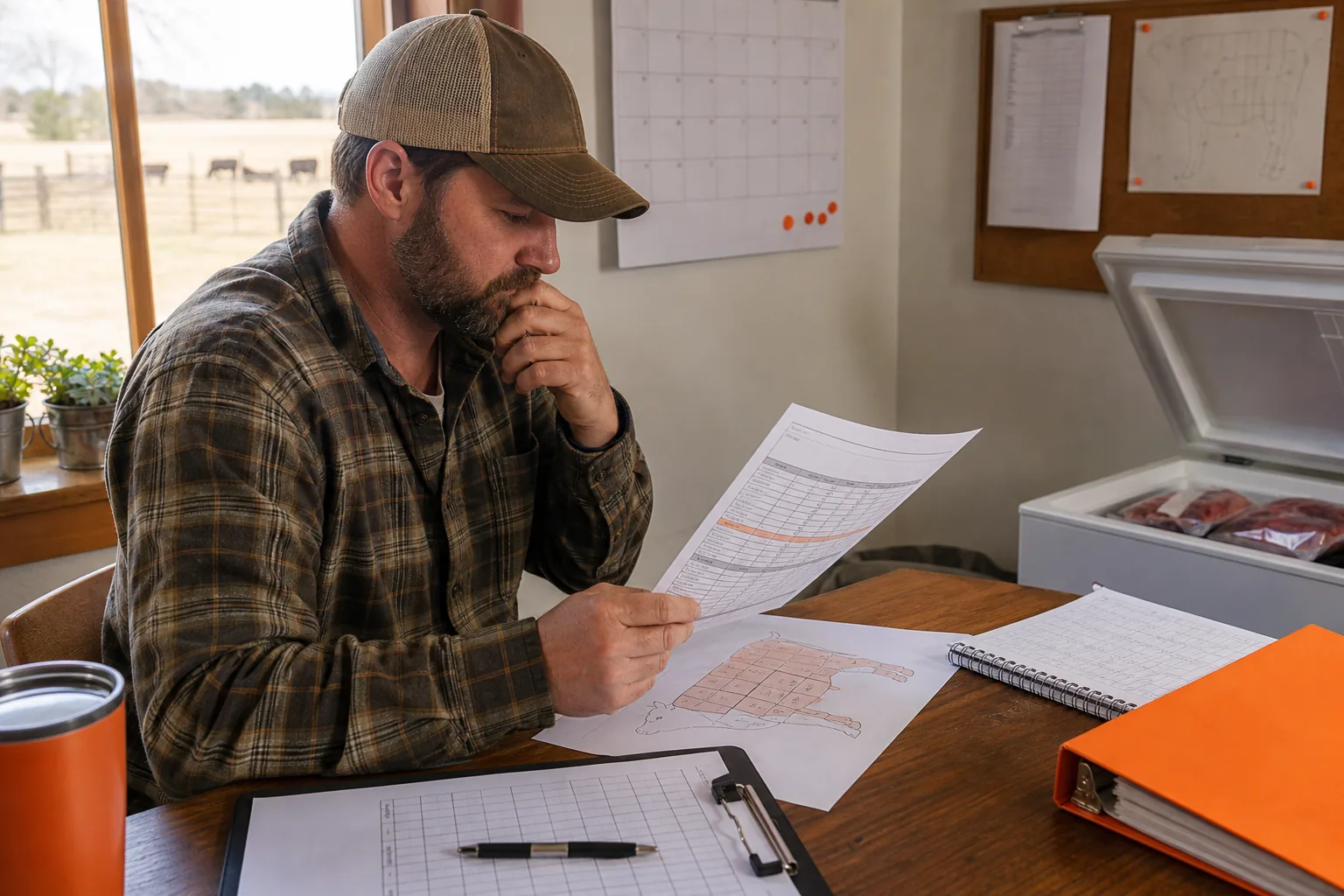
To learn how much a USDA inspected butcher will charge per cow, send each processor the same details. A vague request produces a vague answer, and that makes local quotes hard to compare.
 Save
Send the right details
Include the animal’s expected size, your preferred processing date, and the location where the animal will be delivered. State whether you need slaughter only or a finished freezer order.
Then add your cut preferences. Say if you want bone-in steaks, boneless cuts, ground beef, patties, organ meat, soup bones, or special trim. You don’t need a perfect cut sheet to get started, but you do need to say when you want more than a standard order.
Tell the butcher whether the meat is for personal use or a sales plan. That detail helps the processor confirm whether its inspection status fits your needs.
Ask how the price is calculated
Use direct questions. They save time later.
- Is the quote per head, per pound, or based on carcass weight?
- Which weight appears on the invoice?
- Does the price include slaughter and dressing?
- Are cutting and wrapping separate?
- Does chilling have a time limit?
- What fees apply to transport, delivery, or late pickup?
- When will the meat be ready?
Ask for an example invoice with the business’s own current rates if the quote is hard to read. You don’t need the processor to promise a final total before weighing the carcass. You do need to know which items can change.
Compare the final total
Put each quote into the same order. Start with the base slaughter charge. Add cutting, packaging, storage, delivery, and any special work. Then note what you must do yourself.
A useful comparison also includes booking time. A lower rate does not help if the processor cannot improve your animal when you need it. In many areas, the first available date determines the choice.
The Easy Homestead helps you search by ZIP code or county when you need a local processor or butcher. Listings and reviews can shorten the hunt, but you should still verify inspection status and pricing with the provider before booking.
Use the same method when comparing mobile work. Our page on mobile meat processing rates covers the cost factors that tend to sit outside the basic per-pound figure.
Once you have two or three clear quotes, choose the one that matches your sales plan, cut sheet, and date. A lower headline rate is a poor deal if the final package leaves out work you expected.
FAQ
How much does a USDA inspected butcher charge per cow?
There is no single USDA-set charge per cow. The processor sets its own rates based on slaughter, carcass weight, cutting, packaging, storage, transport, and special requests. Ask whether the quote is per head or per pound, then request a written list of included services before you reserve a date.
Does USDA inspection add to the butcher price?
USDA inspection can affect the processor’s operating costs, but it doesn’t create one standard surcharge for every cow. The facility pays and plans for inspection within its business model. Your invoice may show a separate inspection-related line, or the cost may sit inside the plant’s service rate.
Is USDA inspected meat more expensive?
USDA inspected processing may cost more than a custom arrangement, but the final difference depends on the plant and your order. USDA inspection matters when you need an eligible route for selling meat. Compare the full invoice instead of assuming the inspection label alone determines the price.
What fees are not included in a butcher quote?
Common exclusions can include transport, extra cooler days, vacuum sealing, specialty cuts, patties, storage, delivery, and waste handling. Each shop uses its own price sheet. Ask the processor to mark every optional service before you approve the cut sheet.
How early should I book a USDA butcher?
Book as soon as you know the animal’s likely processing window. Local inspected plants may have limited slaughter dates, and cutting-room capacity can shape the schedule. Ask about the next open date, the deposit policy, and what happens if the animal is ready before the appointment.
Conclusion
Don’t judge a USDA butcher by the per-cow number alone. Ask for the weight basis, included work, inspection path, extra fees, and available date in writing. When you need a local starting point, search The Easy Homestead by county, then confirm the final quote with the processor before booking.