Most horses need a farrier every 5 to 7 weeks, but that is a starting point, not a rule. A shod performance horse may need care sooner, while an idle pasture horse may go 10 to 12 weeks. The right schedule follows hoof growth, work, footing, season, and health.
Here is how to set a schedule that fits your horse, catch trouble between visits, and find local help when your regular farrier is booked.
Step 1: Start with a 6- to 8-week farrier schedule
For most horses, start by booking the farrier every 6 to 8 weeks. This range gives the hoof time to grow without letting the wall become too long or the foot lose its balance.
Research gathered from 39 recommendations found an average interval of 5.71 weeks and a median of 6 weeks. That fits the usual 5- to 7-week schedule seen across many working and pleasure horses. Your horse may need a different plan, but six weeks is a sound first date to discuss with a farrier.
Hoof growth varies between horses. Genetics matter. Diet matters too. A horse with a sound diet and enough protein, copper, zinc, and biotin may grow better horn, while another horse may have thin walls that chip before the next visit. Age, conformation, and the way the horse moves also change the rate of wear.
Start with the calendar, then watch the hoof. Take a clear side photo of each foot on the day of the trim. Take another photo a few days before the next visit. Look for a longer toe, flares at the wall, cracks, or a change in the hoof-pastern angle.
Shod horses need special care because the shoe stays fixed while the hoof grows. The heels can move forward, nail holes migrate toward the ground, and the shoe may loosen. Many farriers keep shod horses on a 5- to 7-week cycle. Letting a shoe stay on too long can lead to a thrown shoe or a broken hoof wall.
Barefoot does not mean maintenance-free. A barefoot horse on soft pasture may need regular trims because the ground removes little horn. A horse that spends much of the week on firm, rough ground may wear more naturally, but the farrier still needs to check balance and shape.
We recommend keeping a short hoof log. Write down the visit date, whether the horse was trimmed or shod, how the horse moved afterward, and what the farrier noticed. After a few cycles, you will see whether five weeks works better than seven.
If you need to replace a farrier or have recently moved, learn how to find a farrier near you and check their fit before booking a first visit. The Easy Homestead helps working homesteaders search local providers by county or ZIP code.
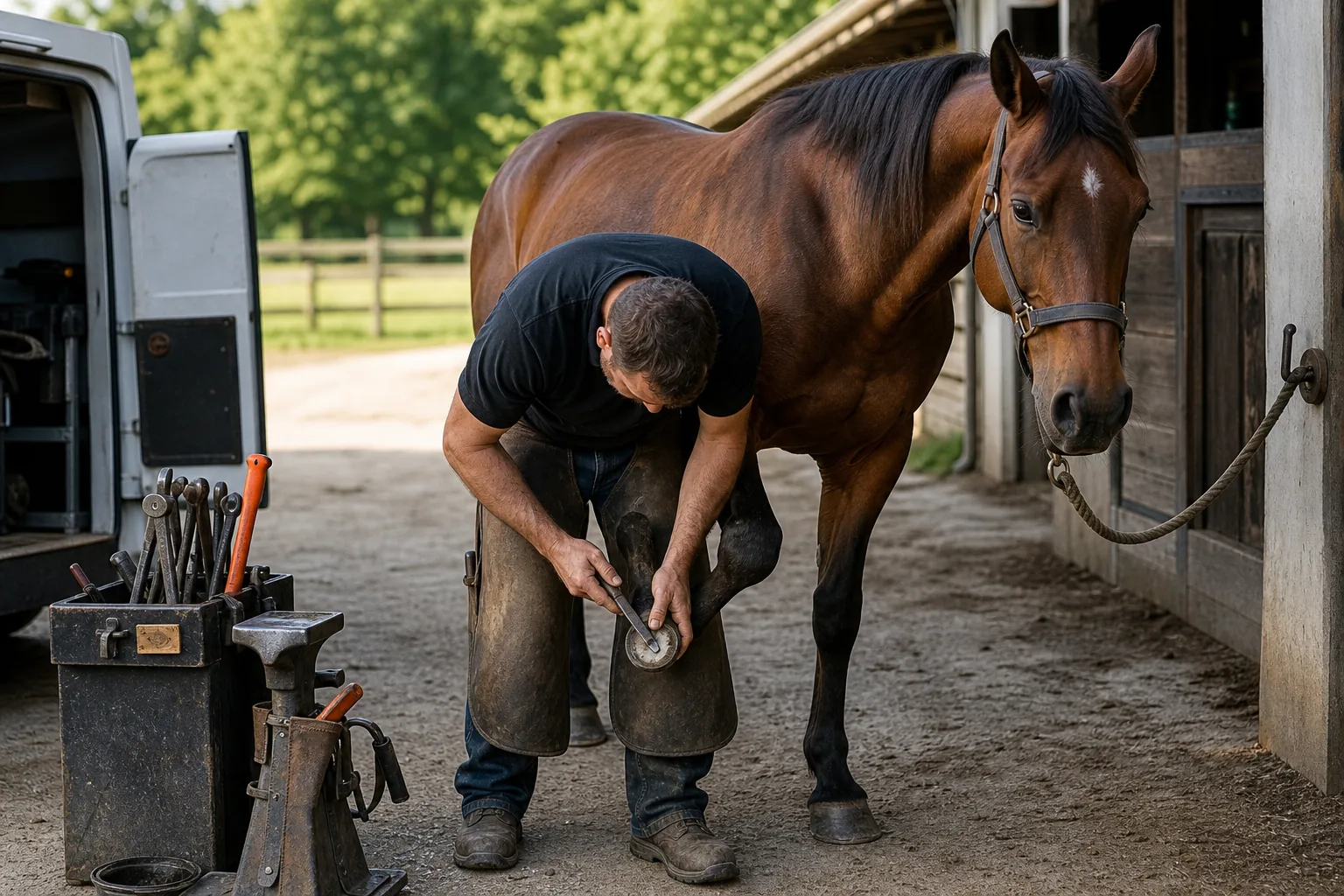
Key Takeaway: Put the first appointment at about six weeks, then shorten or extend it based on what the hoof shows.
For background on hoof structure and why the hoof capsule needs steady care, see Wikipedia’s overview of the horse hoof. It is useful context, but it does not replace an examination by your farrier or veterinarian.
Step 2: Check the hoof between farrier visits
Checking the hoof between appointments is part of answering how often your horse needs a farrier. A schedule can work on paper while a crack, loose shoe, or sore foot develops in the barn.
Pick out each hoof before and after work when you can. Remove packed mud, manure, and stones. Then look at the sole, frog, wall, heel, and shoe. You are not trying to trim the foot yourself. You are looking for a change from normal.
Look for these changes
- A new crack that runs upward from the ground.
- A chip that reaches the nail line or grows wider.
- A loose, twisted, or partly missing shoe.
- A nail that has lifted from the wall.
- A foul smell, black discharge, or deep grooves near the frog.
- Heat in one foot or a stronger pulse near the pastern.
- Short steps, a hard turn, or reluctance to walk on firm ground.
A small chip at the edge may wait for the next visit. A loose shoe should not. Remove the risk of the horse stepping on it, then contact your farrier for advice. Do not pull a firmly attached shoe unless the farrier tells you how to do it safely.
Watch movement as well as the hoof. A horse that feels sore may stand with one foot forward, shift weight from side to side, or walk with a shortened stride. A change after a trim can also matter. If soreness lasts or worsens, stop work and ask your veterinarian for guidance.
Daily handling makes these checks safer. Your horse should learn to stand while you lift each foot. Keep your body out of the kick zone, support the hoof without twisting the limb, and put it down before the horse struggles. A horse that fights hoof handling may need a slower training plan before the next farrier visit.
Clean, dry footing can help you spot changes. Wet bedding does not cause every hoof problem, but it can soften the wall and make cracks or flares spread faster. Keep stalls picked out and give the horse safe chances to move. Movement helps circulation and gives the hoof some natural wear.
Take photos from the same angle each time. A side view can show toe length and wall flares. A sole view can show changes around the frog. Put the date in your notes rather than relying on memory.
Pro Tip: Make hoof checks part of the same routine as saddling or feeding. A habit catches changes sooner than a calendar reminder alone.
A farrier sees details that owners may miss, so do not use a quick visual check as a reason to skip an appointment. It is there to help you report changes between visits.
Step 3: Adjust the interval for workload, terrain, and hoof growth
The work your horse does often matters more than whether the horse is barefoot or shod. A horse carrying a rider over gravel several times each week has a different wear pattern from a horse standing on soft pasture.
Performance horses, barrel horses, and horses doing heavy farm work often need attention every 4 to 6 weeks. Some can reach 6 to 8 weeks during a lighter training block, but watch the foot closely when work increases. More miles can wear the toe or heel faster than the hoof grows.
Arena footing can create the opposite problem. Sand may feel demanding during work, yet it may remove little horn. If the horse works in a soft arena and lives on pasture, excess wall can build without much natural wear.
Terrain changes the plan too. Rocky ground may wear the hoof and reduce how much the farrier removes. Wet ground can soften the wall and let it spread. Dry, hard ground may make the foot chip. None of these settings gives every horse the same result.
Barefoot horses used often may need trims every 3 to 4 weeks. A quiet pasture horse may stretch to 10 or even 12 weeks if the foot stays balanced and the horse remains comfortable. That longer gap should come from the hoof’s condition, not from skipping visits by default.
Season matters in many regions. Hoof growth often speeds up in spring and early summer, so a horse that holds a seven-week schedule in winter may need five or six weeks during the growing season. Keep watching after heavy rain, a move to richer pasture, or a change in turnout.
Winter may allow a longer gap, but cold weather does not stop hoof care. Ice, frozen ruts, and dry ground can still cause chips or soreness. A shod horse still has the same risk of loose nails as the hoof grows.
Use a work log beside your hoof log. Note when you start trail miles, add speed work, change footing, or reduce turnout. Then compare that change with the hoof at the next visit. You are looking for a pattern, not a perfect formula.
When you speak with a farrier, describe the horse’s actual week. “Light work” can mean one short ride for one owner and six long rides for another. The more exact you are, the better the interval decision will be.
If the horse starts losing shoes before the next visit, develops a flare, or feels worse near the end of the cycle, shorten the interval. If the farrier removes almost nothing at each appointment and the foot stays balanced, ask whether a small extension makes sense.
The right schedule may change twice a year. That is normal. A fixed calendar is less useful than a plan that responds to growth and work.
Step 4: Shorten the schedule for young, older, or unsound horses
Young horses, older horses, and horses with hoof disease often need closer farrier visits. Their feet may change faster, wear unevenly, or need support that cannot wait for a standard six-week date.
Young horses need regular checks while their limbs and hoof shape develop. A growing horse may change balance quickly. Small deviations can become harder to correct if the foot grows long between visits. Your farrier may set a shorter cycle and adjust the trim in small amounts.
Older horses may need closer attention because arthritis, reduced movement, thin soles, or chronic hoof changes can affect how they stand and walk. An older horse that moves less may wear less horn, while an old injury can make one foot carry more load.
Conformation also matters. A horse that toes in or toes out may wear one side of the hoof faster. Club feet, flares, and long-term distortions often need a 4- to 5-week plan. The goal is to keep the foot as balanced as the horse’s structure allows.
Laminitis cases need a separate plan. Active cases are often seen every 3 to 5 weeks, while an acute case may need assessment sooner. Some cases need weekly monitoring at first. The farrier and veterinarian should agree on the plan because internal changes may not show clearly from the outside.
Research on hoof disease and soundness can provide useful background through the linked research. Use veterinary research to understand the condition, but do not change a laminitis horse’s trim or shoeing plan without the care team.
Write down each visit in a health record. Include the date, hoof measurements if your farrier takes them, changes in movement, and the plan for the next visit. Photos from the same angle can show whether the hoof wall is growing down evenly.
Call your veterinarian promptly if your horse has marked lameness, strong digital pulses, unusual heat, a sudden reluctance to move, or a stance that suggests foot pain. A farrier is an essential part of hoof care, but a painful horse may need veterinary assessment before the next trim.
Newly barefoot horses may also need a careful transition. A farrier may remove shoes and trim conservatively while the sole and wall adjust. Cutting too much in the first visit can make the horse sore and does not prove that barefoot care will fail.
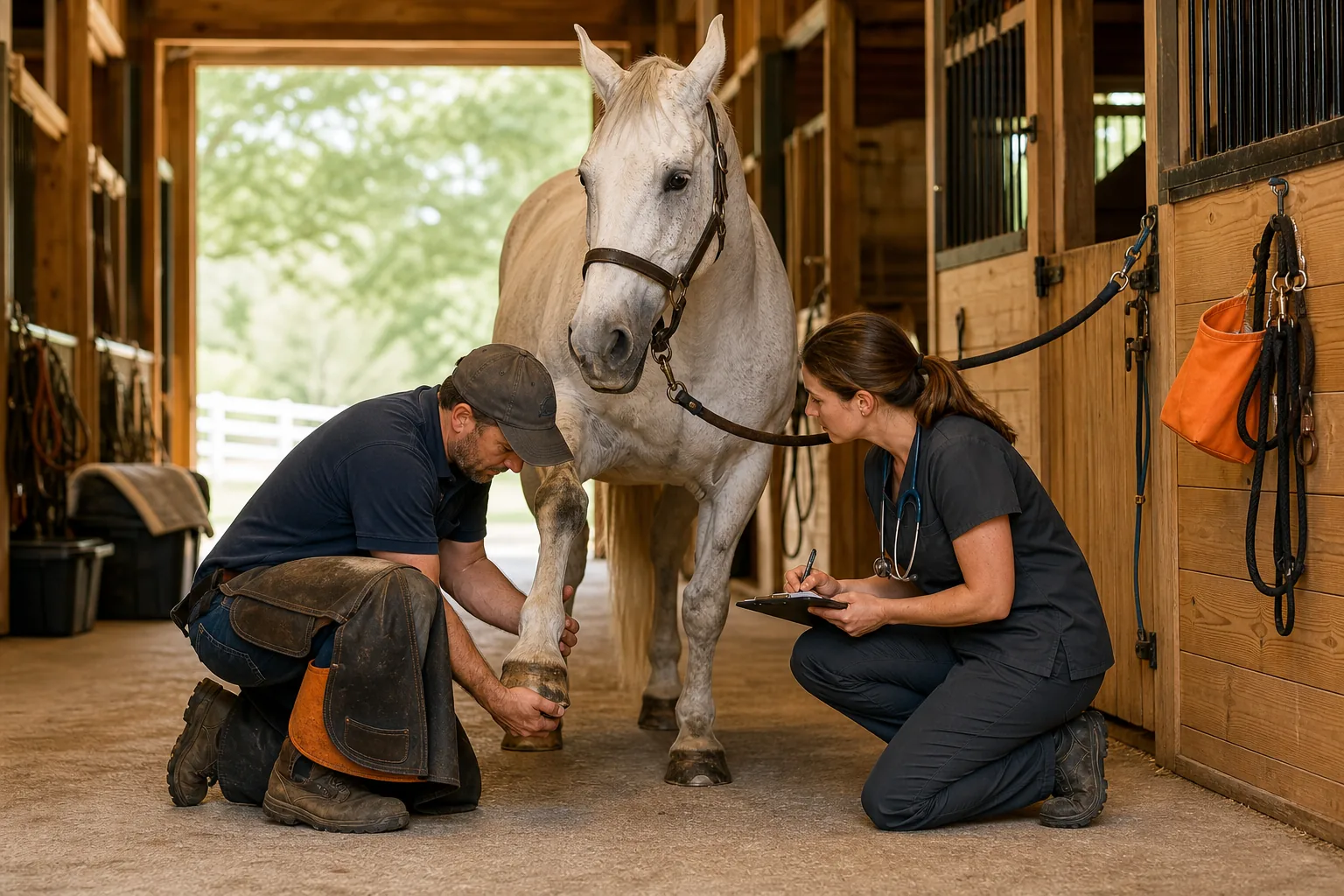
These horses should not be placed on the same calendar as a healthy pasture horse. Their interval needs a reason, a record, and a clear next date.
Step 5: Book the next visit before the current trim is overdue
Book the next farrier visit before the current trim is overdue. Good farriers often have full routes, and waiting until the hoof looks long can leave you with a gap that affects soundness.
At the appointment, ask the farrier for the target interval and the warning signs that should bring the horse in sooner. If the horse is shod, ask when the shoe should be reset or replaced. If the horse is barefoot, ask what changes mean the trim cycle is too long.
Keep one date for each horse. Do not assume the whole herd needs the same interval. A young horse may need five weeks, an idle horse may need eight, and a laminitis case may need a plan set by the vet and farrier.
Set a reminder several days before the target date. If your farrier has a cancellation list, ask to be added. Keep a backup contact for urgent shoe loss or a farrier who covers your area when your usual provider is away.
Cost belongs in the plan too. A longer gap may seem cheaper, but a large corrective trim or an emergency call can cost more. Review farrier costs for trims, shoeing, and specialty work before you set your annual farm budget.
When you need a new provider, The Easy Homestead lets you search for farriers and mobile farm services by ZIP code or county. Look for a listing that fits your horse’s needs, then ask about service area, schedule, and experience with the work your horse does.
Keep your horse ready for the visit. Clean the feet, give the farrier a safe place to work, and have recent notes ready. If the horse has been lame or has a health condition, share that before the farrier arrives.
One missed appointment does not always cause a crisis, but repeated delays can. If your horse is due and the hoof already looks long, arrange an assessment rather than waiting for the next convenient opening.
FAQ
How often do horses need a farrier if they are barefoot?
Barefoot horses usually need a farrier every 5 to 8 weeks, but the best interval depends on growth and wear. A barefoot horse in regular work may need a trim every 3 to 4 weeks. An idle horse on suitable ground may go 8 to 10 weeks. Your farrier should set the schedule after watching the hoof.
How often do horses need a farrier when they wear shoes?
Shod horses commonly need a farrier every 5 to 7 weeks. The hoof keeps growing while the shoe stays in place, so nails loosen and balance changes. Do not wait for a shoe to look worn out. Ask your farrier when the horse needs a reset or replacement based on hoof growth and work.
Can a horse go 12 weeks without a farrier?
A horse may go 10 to 12 weeks in limited cases, usually when it is an idle pasture horse with slow growth and a balanced foot. That is not a safe default for every horse. Shod horses, working horses, and horses with hoof problems usually need much shorter intervals.
Do horses need a farrier in winter?
Yes, horses still need farrier care in winter. Hoof growth may slow, which can allow a slightly longer interval for some horses. Frozen ground, ice, dry footing, and loose shoes can still cause problems. Check the feet often and keep the next visit on the calendar.
When should I call a farrier between appointments?
Call a farrier between appointments for a loose or twisted shoe, a missing shoe, a crack that is spreading, or a sudden change in hoof balance. Contact a veterinarian promptly for severe lameness, marked heat, strong digital pulses, or signs that suggest laminitis. Do not wait for the next routine visit.
Start most horses at six weeks, then let growth, workload, terrain, season, and health guide the next adjustment. If you need a farrier who works in your area, search verified local listings on The Easy Homestead and book before the hoof becomes overdue. Find a farrier near you.