If you raise pigs, cattle, goats, or poultry, the hardest part may be finding a processor before the booking calendar fills. The best place to start is a local directory that shows who works near you, then check each butcher’s inspection status, cut options, transport rules, and schedule. Here are four useful options and who each one fits.
1. The Easy Homestead
The Easy Homestead is a local directory for working homesteaders who need a butcher or meat processor near the farm. It suits you best when you need to find several local options before choosing one.
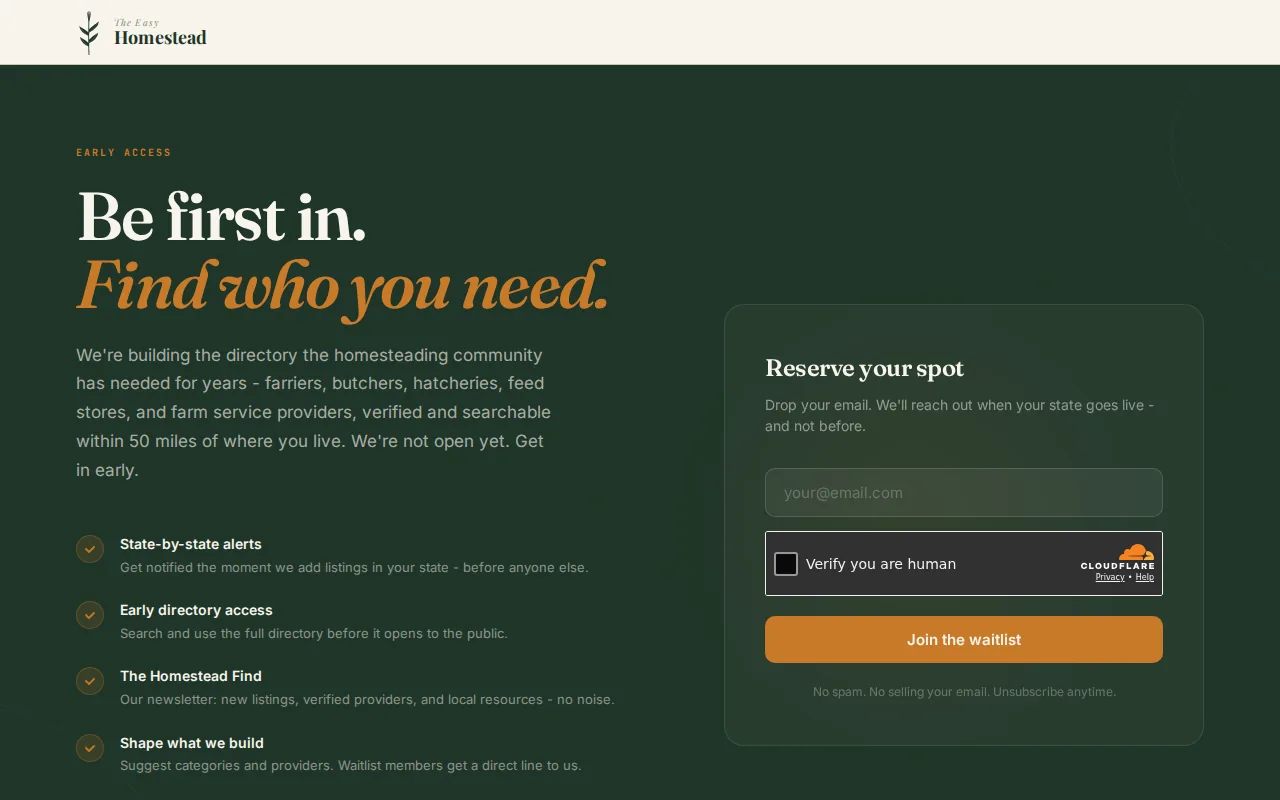
Search by ZIP code or county to find meat processors and local butchers in your area. Listings include verified businesses and real reviews, so you can start with more than a random social media post. The directory also gives you a clear 50-mile service area radius, which helps you judge whether a processor is close enough for livestock transport or meat pickup.
That location detail matters. A butcher may look close on a map but still refuse farm pickup, accept animals only from certain counties, or require you to collect boxed meat at the shop. A stated service radius gives you a starting point before you spend time asking those questions.
The pricing model is also clear. Basic listings are free, while businesses can pay for enhanced placement. That distinction helps you treat directory placement as visibility, not proof that one butcher is better than another. Read the listing, then confirm the details with the processor.
We recommend starting here when you don’t yet know your local processing network. It is also useful when you need a mobile butcher, poultry processor, or a shop that handles custom work. You can narrow the list by location before asking about slaughter dates, hanging time, cut sheets, or freezer space.
Our local butcher search guide covers the same problem from another angle, including farmstead shops and mobile units. Use it when your first search returns too many vague results.
Key Takeaway: Use The Easy Homestead first to map nearby choices, then verify the service details with the butcher.
2. Farmer’s Fresh Meat, for delivered meat and one-time purchases
Farmer’s Fresh Meat is a full-service meat market for one-time meat purchases and delivery. It fits shoppers who want prepared cuts rather than custom processing for an animal from their own farm.
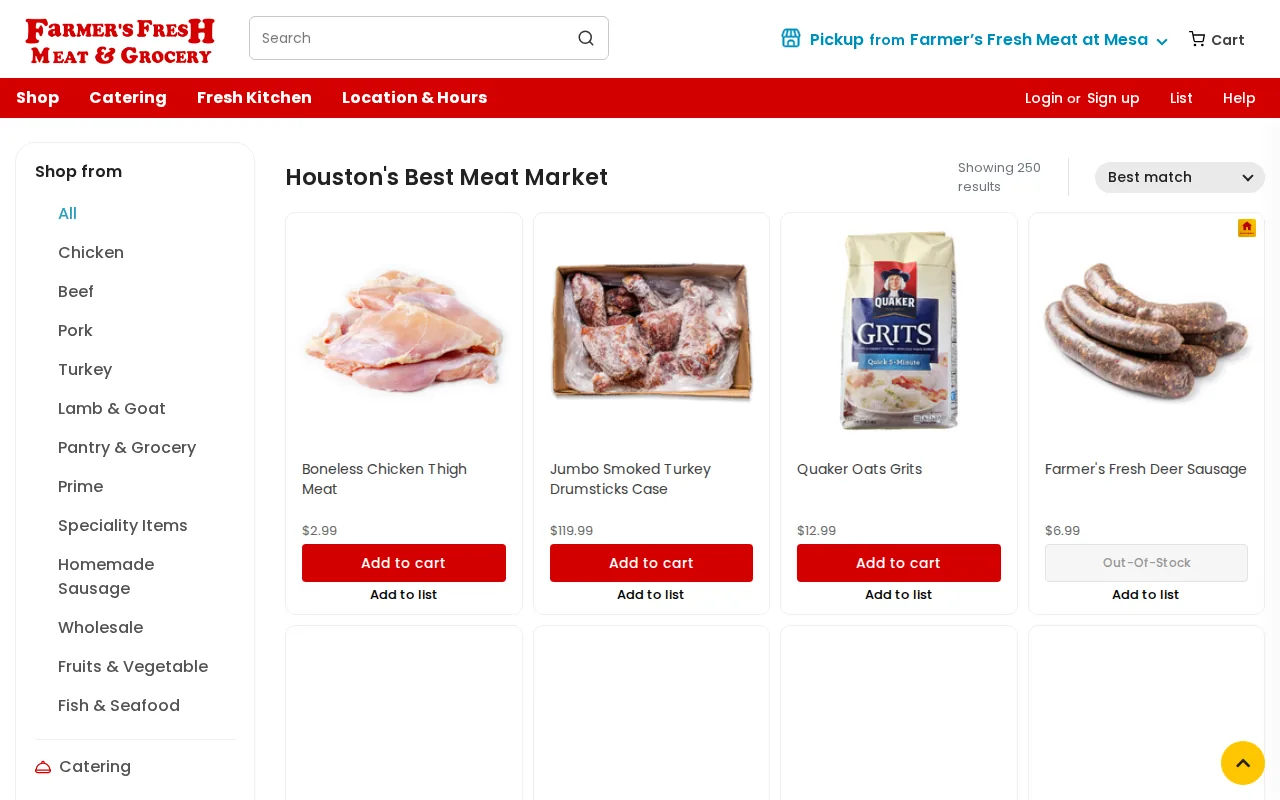
The shop says it carries chicken, beef, goat, and lamb. That range may fit shoppers who need a mixed order for the freezer but don’t have a whole animal ready for processing.
Delivery is the clearest reason to consider this option. Free delivery up to $10 is available on a one-time purchase of $65 or more. Check the exact delivery area before ordering, since the offer alone doesn’t tell you whether your farm falls within the route.
That detail also shows why delivery terms belong near the top of your butcher search. A good cut list is less useful if you must drive several hours to collect the order. Ask about the delivery day, minimum order rules, temperature control, and what happens if no one is home.
For current product availability and the delivery offer, review published meat-inspection information alongside the shop’s own published details. General inspection information explains the inspection system, but it doesn’t confirm the service terms for any local seller.
Farmer’s Fresh Meat may not be the right match for a homesteader who needs a custom cut sheet for a pig or cow. The available information focuses on buying meat through the market. It doesn’t state a custom livestock-processing service, a farm pickup radius, or a USDA certification claim.
Choose this option when your need is a delivered meat order. Choose a custom processor when the animal is yours and the cut plan matters.
3. Oxbow Meats, for USDA custom processing and on-site pickup
Oxbow Meats handles USDA processing and custom processing with on-site pickup. It fits a family farm that wants a stated inspection credential and plans to collect the finished meat at the facility.
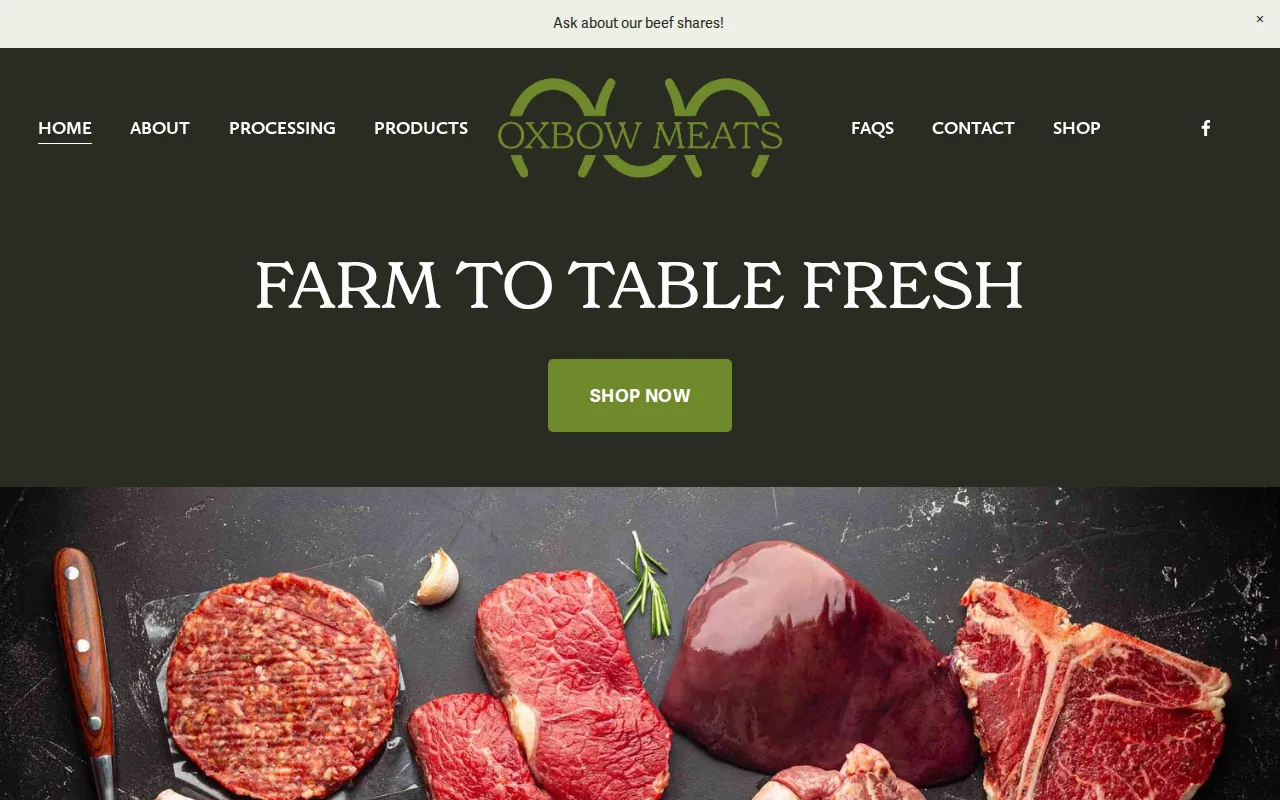
USDA processing is the strongest point in the available information. Oxbow Meats identifies itself as USDA certified, which gives you a clear question to verify when you request booking details. Ask what inspection applies to your order and whether the finished meat can enter normal retail or resale channels.
Inspection status affects how you can use the meat. Custom-exempt work has different rules from inspected processing, especially when meat may be sold rather than kept for the owner’s household. The basic definition of meat inspection is useful background, but your state and the processor should answer the questions for your exact animal and sale plan.
On-site pickup can work well if you have a trailer, enough freezer room, and a firm pickup date. It can also reduce confusion during handoff because you collect the order from the same facility that handled the processing. Confirm the pickup window, packaging format, labeling, payment timing, and rules for missed pickup.
The main gap is logistics. Oxbow Meats lists on-site pickup, but the available information doesn’t state a service radius, delivery option, current price, or wait time. You still need to ask whether the shop accepts your species and how far ahead you must reserve a date.
Our guide to finding a USDA-inspected butcher can help you build a short list before you contact a processor. Start with distance, then compare inspection status and the shop’s cut process.
Oxbow Meats is the better fit when USDA processing and a fixed-site handoff are your first concerns. It is less suitable if you need delivery or on-farm service.
4. The Grass Fed Cattle Co., for buying quarter and half-cow packages
The Grass Fed Cattle Co. is listed for cow packages sold in portions such as one-eighth, one-quarter, and one-half cow. It fits buyers who want a share of beef instead of arranging every part of livestock processing themselves.
A portioned cow package can make freezer planning more predictable. You choose the share size, then confirm what cuts come with that share and when the order will be ready. That is a different buying path from raising your own steer and sending it to a custom butcher.
Before you commit, ask for the exact package contents. Find out how much of the order arrives as ground beef, which steaks are included, whether roasts can be swapped, and how the meat is packed. Also ask if the listed share refers to hanging weight, take-home weight, or a fixed package.
You should also confirm the pickup site and whether the seller assigns cuts or lets you submit a cut request.
| What you need | Best match from this shortlist | Question to ask next |
|---|---|---|
| Find several local processors | The Easy Homestead | Which listings serve my county? |
| Buy a one-time meat order | Farmer’s Fresh Meat | Does delivery reach my farm? |
| Custom USDA processing | Oxbow Meats | What inspection applies to my order? |
| Buy a cow share | The Grass Fed Cattle Co. | What cuts come in each share? |
This option makes sense when you want beef in the freezer without managing a whole animal. It may not suit you if you need every cut tailored to your family’s habits or if you want to process your own livestock.
Pro Tip: Write your freezer capacity down before choosing a cow share. A package that looks affordable can still create a storage problem if you don’t have room when pickup arrives.
What to look for before you book a butcher
When you compare local butchers, don’t choose on distance alone. Use the listing to build a short list, then ask each processor the same questions so the answers line up.
Inspection and ownership rules
Ask whether the work is federally inspected, state inspected, or custom exempt. The right choice depends on who owns the animal and whether you plan to sell the meat. If the processor gives a vague answer, pause before booking.
Processing details
Confirm the species accepted, slaughter arrangement, aging time, cut sheet deadline, packaging style, and labeling. Ask how the butcher handles bones, fat, organs, hides, and waste if those items matter to your farm.
Transport and pickup
Find out who moves the live animal and who collects the finished meat. A fixed-site butcher may require on-site pickup. A mobile unit may need a clear work area, water, power, or a safe way to reach the farm. Don’t assume any of those services come with the booking.
Schedule and price
Ask for the full cost structure in writing. It may include a slaughter fee, processing charge, packaging cost, disposal fee, storage fee, or delivery charge. Also ask how far the calendar is booked and what happens if the animal misses its appointment.
The transparency gap is wide. In the four options reviewed here, only The Easy Homestead states a 50-mile search radius and a free basic listing model. Oxbow Meats states USDA certification and on-site pickup. Farmer’s Fresh Meat states a delivery offer. The remaining details require direct questions.
If you need help locating a processor near your county, start with The Easy Homestead. Then save the answers in one note so you can compare each butcher on the same terms.
FAQ
How do I choose a butcher for my farm?
To choose a butcher, first match the processor to your animal and intended use. Ask about inspection status, accepted species, cut options, transport, pickup, total charges, and wait time. Start with The Easy Homestead to find nearby listings, then verify every service detail directly before you reserve a date.
What is the difference between USDA inspected and custom exempt?
USDA-inspected meat goes through a federal inspection system, while custom-exempt meat follows different ownership and use rules. To choose a butcher safely, tell the processor whether you own the animal and whether you plan to sell the meat. Ask your state authority or the processor for the rule that applies to your order.
How far in advance should I book a butcher?
You should book as soon as you know the likely processing window because local butcher calendars can fill months ahead. When learning how to choose a butcher, ask for the next open date before discussing fine cut details. Keep a backup processor in your notes in case weather or animal growth changes your plan.
Should I choose a mobile butcher or a fixed-site processor?
Choose a mobile butcher when on-farm work saves you a difficult livestock trip and your property can support the setup. Choose a fixed-site processor when you prefer facility pickup or need services tied to that shop. The best choice depends on access, inspection rules, power, water, freezer space, and the species being handled.
Conclusion
Start with The Easy Homestead to find butcher options by ZIP code or county, then compare inspection, cut plans, transport, pickup, and booking dates. Your next move is simple: make a shortlist of nearby processors and ask each one the same questions before you commit an animal.