A dependable farm vet can be hard to find after you move outside town, especially when you keep several species. The best place to start depends on whether you need routine herd care, an on-farm visit, a referral, or after-hours help. Here are four reliable provider types to check, plus the questions that help you choose well.
1. Mixed-practice rural veterinary clinics for regular farm calls
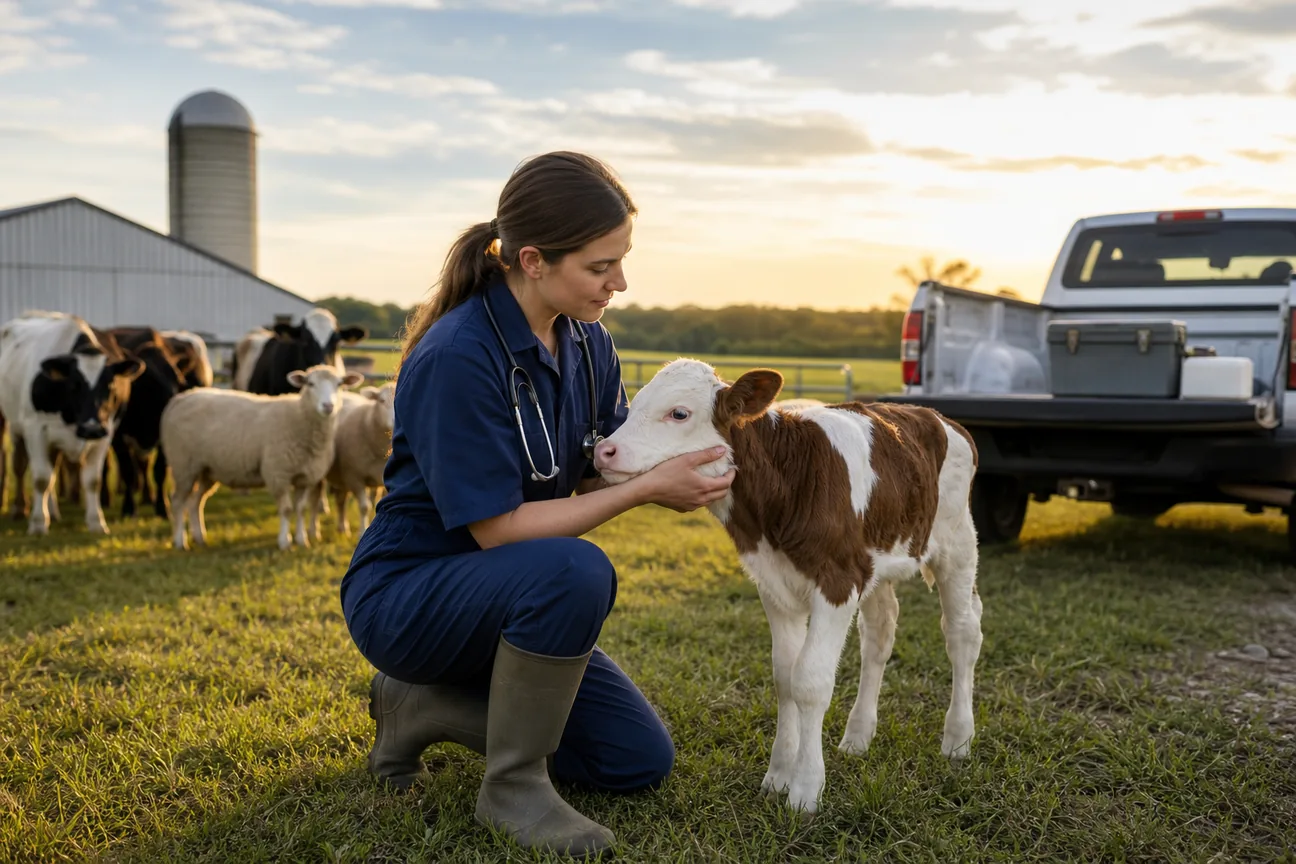
Mixed-practice rural clinics treat more than one kind of animal, often combining companion-animal work with livestock care. They can suit farms that need routine visits for goats, sheep, cattle, or pigs while also keeping dogs and cats.
 Save
Ask which farm species the clinic sees each week. “Large animal” can mean horses at one clinic and cattle at another. You need a clear answer for your animals, not a broad label.
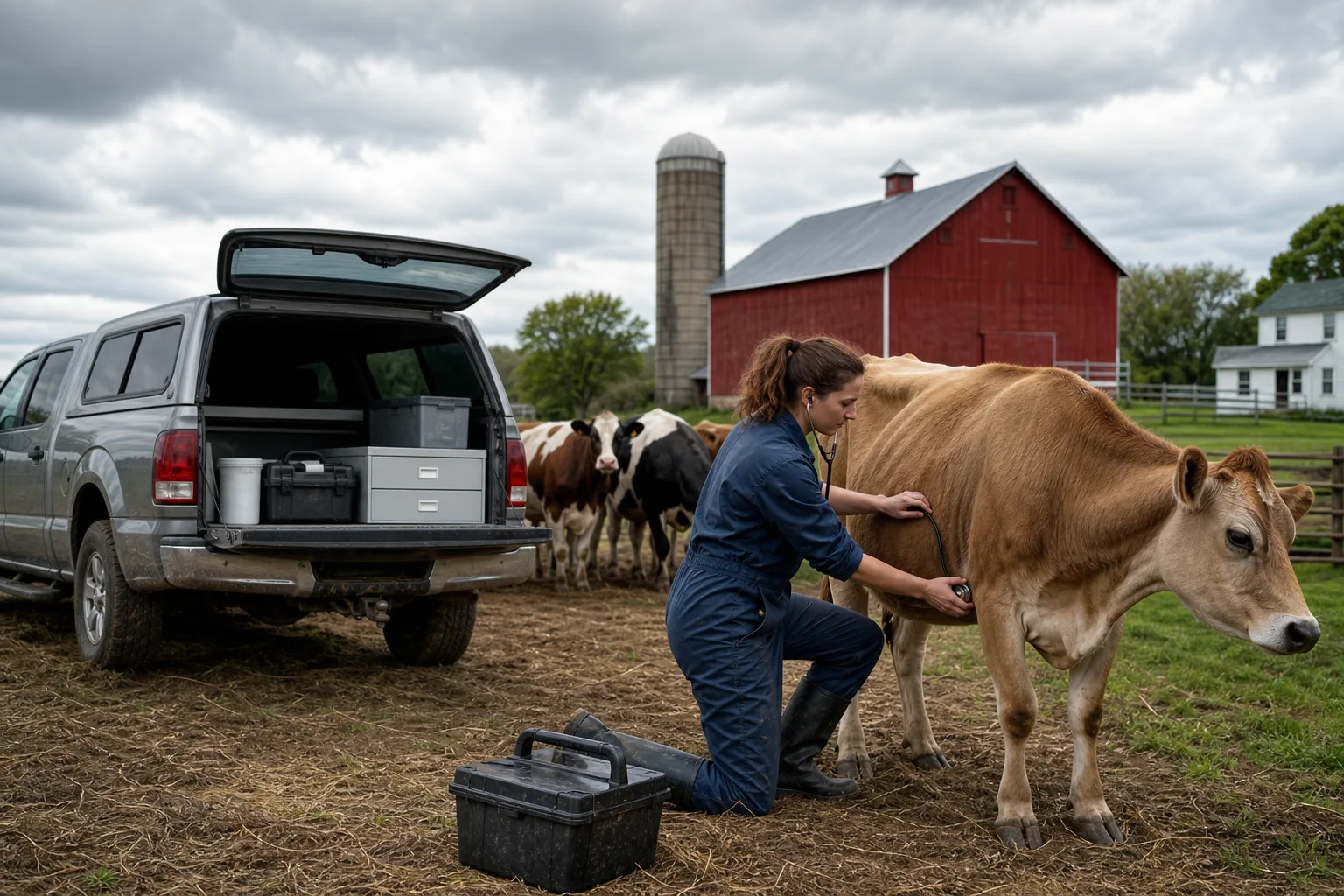
Ask how the clinic handles farm calls. Some vets travel to the property for exams, vaccines, pregnancy checks, wound care, or herd reviews. Others expect you to bring smaller animals to the clinic and make farm visits only for certain cases.
Distance matters. A clinic may look close on a map but charge travel time outside its main service area. Ask how far the vet travels and whether several nearby farms can share a visit day. That can affect scheduling during busy seasons.
You should also ask about records. A useful clinic will want your animal count, species, past treatments, current problems, and vaccination history. Keep your own records too. Write down tag numbers, dates, drug names, and withdrawal guidance after each visit.
Veterinary medicine covers both animal treatment and public health work, including disease control and food safety. This overview of veterinary medicine explains that broad role, but your local clinic must still confirm its own service limits.
Mixed practice is often a good long-term choice when you want one clinic that knows your farm over time. It may be less suitable when your case needs a specialist or a vet with deep experience in one species.
2. Mobile large-animal veterinarians for on-farm treatment
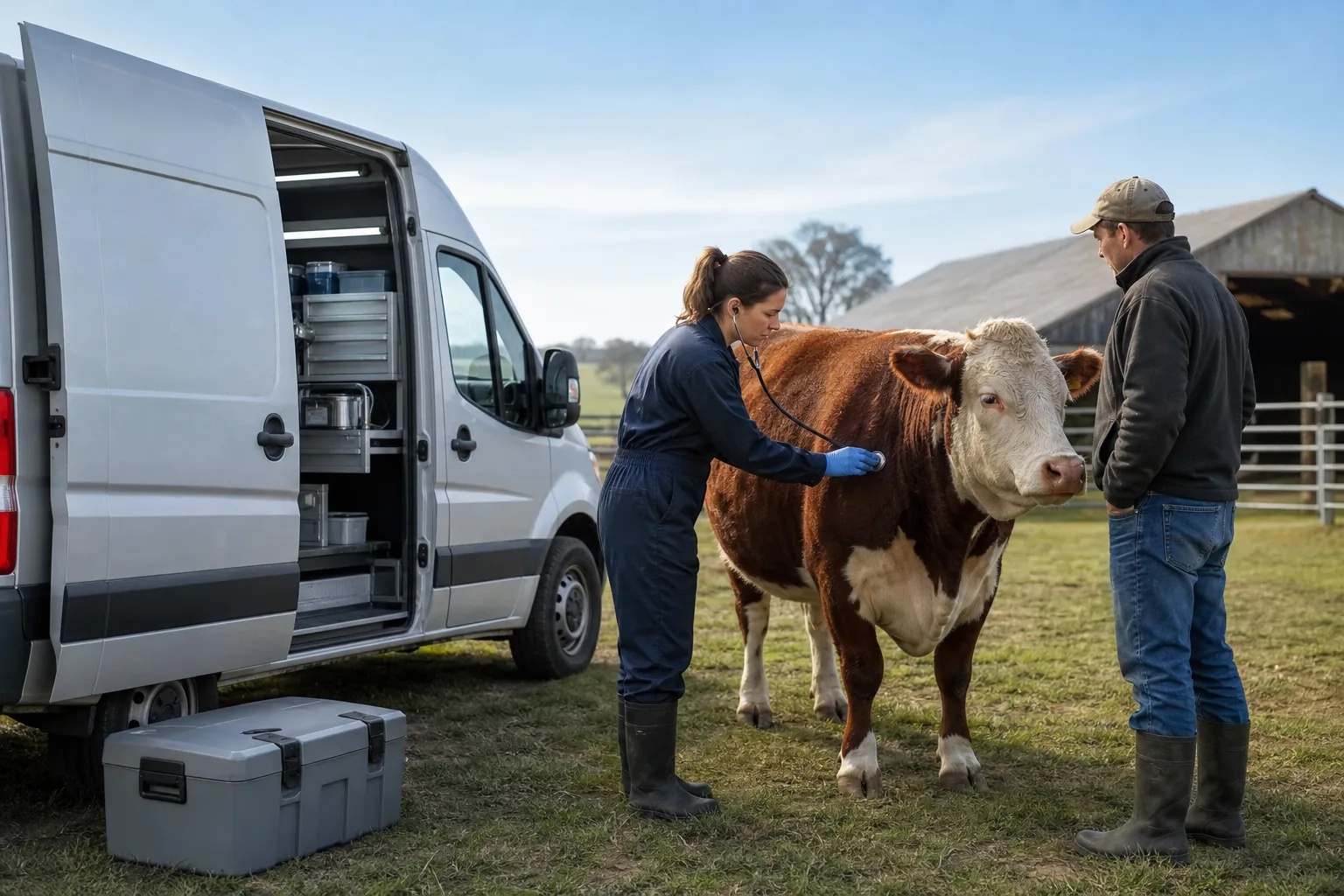
Mobile large-animal veterinarians come to your property with the tools needed for field care. This option fits animals that are hard to load, herds that need group checks, or farms where transport would add stress and risk.
 Save
Before booking, ask what the vet can do on site. Services may include physical exams, pregnancy checks, wound care, herd health planning, sample collection, health certificates, and treatment for common farm injuries. Do not assume every mobile vet provides every service.
Prepare your handling area before the visit. A secure pen, good lighting, clean water, and safe access make the exam faster. For cattle or pigs, plan how you will contain the animal without putting people or the vet in danger.
Ask about the veterinarian-client-patient relationship, often called a VCPR. A vet may need an established relationship with you and your animals before prescribing certain drugs or giving ongoing treatment instructions. The exact rules depend on your state.
Ask these questions before you schedule:
- Which species do you treat most often?
- Do you accept new farm clients?
- What area do you cover?
- How do you handle urgent visits?
- Can you issue health certificates when qualified to do so?
If you want help with the search itself, our guide to finding a mobile farm vet near you focuses on county searches, species fit, farm-call terms, and visit prep.
A mobile vet may not be the right choice for advanced imaging, surgery, or intensive hospital care. Ask where your animal goes if the case cannot be handled in the field.
3. Veterinary teaching hospitals for complex cases and referrals
Veterinary teaching hospitals handle complex cases with access to specialists, advanced tests, and referral teams. They make sense when a farm animal needs a deeper workup than a routine farm call can provide.
Your local farm vet may refer you to a teaching hospital after an exam. That referral can help when an animal has a difficult pregnancy, a serious injury, a breathing problem, a suspected disease outbreak, or a condition that needs surgery.
Before you travel, ask what records the hospital needs. Bring treatment dates, test results, vaccination details, identification numbers, and a clear timeline of the problem. Include the dose and time of any medicine given, if your vet provided that information.
Ask whether the hospital accepts the species and size of animal involved. Some facilities focus on companion animals or horses. Others have production-animal services, but availability may change with staffing and case load.
Travel is the main drawback. Moving a sick or injured animal can add strain, and a teaching hospital may be several hours away. Keep your regular farm vet involved so the hospital team has a clear handoff and you have local follow-up after discharge.
Teaching hospitals are best for difficult cases, not as your only plan for routine care. You still need a local vet who can check the animal later and help prevent a repeat problem.
4. Livestock emergency and after-hours veterinary networks
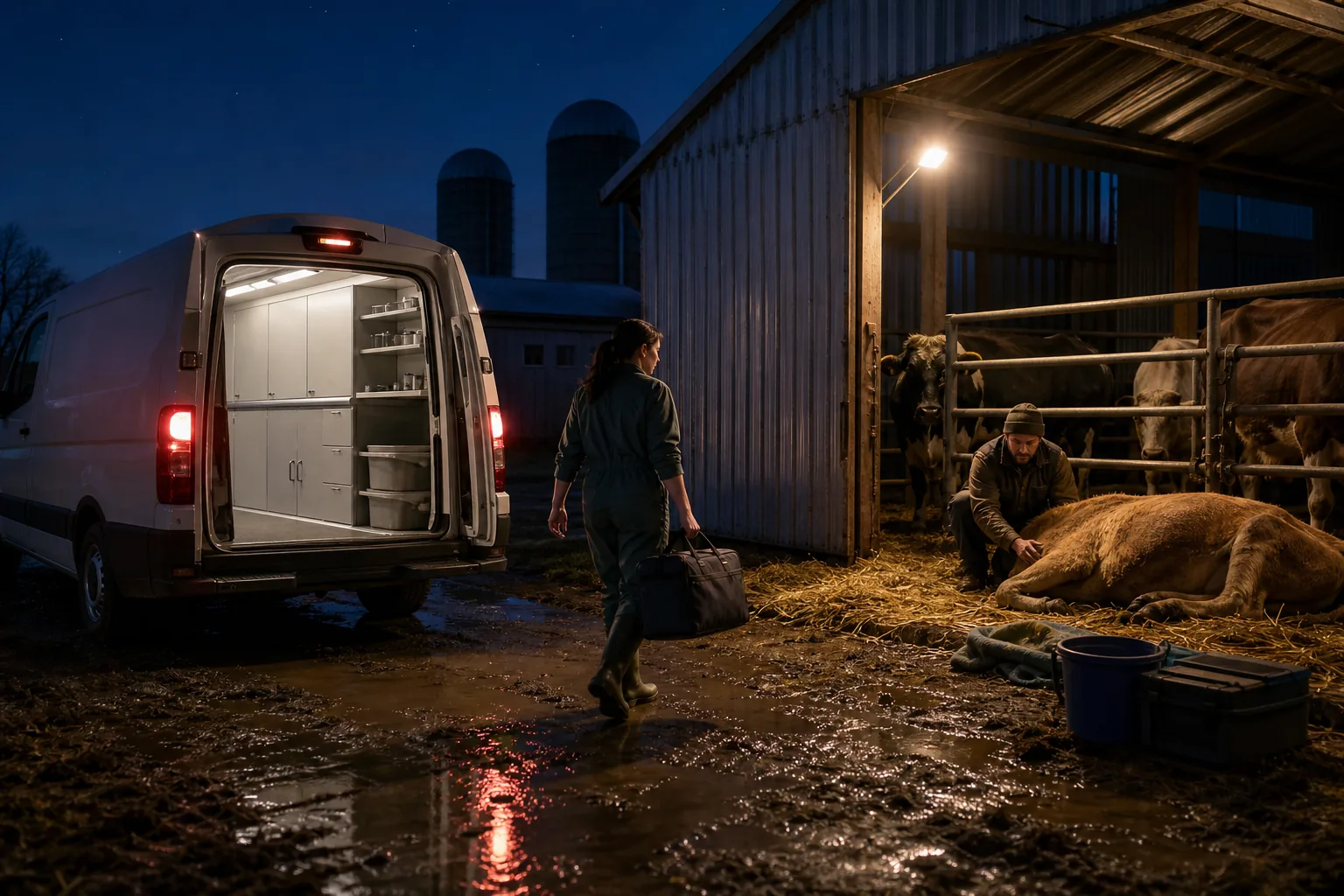
Livestock emergency and after-hours veterinary networks connect farms with urgent care when a normal clinic is closed. They can help when an animal is down, bleeding, having trouble giving birth, or showing signs of a fast-moving illness.
 Save
Do not wait for an emergency to learn how the network works. Ask whether you must already be a client. Confirm which counties it serves, what species it handles, and whether a vet comes to the farm or directs you to a hospital.
Ask how triage works. The first person who answers may need a short description before deciding how quickly a vet should respond. Have the animal’s species, age, sex, main signs, location, and recent treatment ready.
Keep a written emergency sheet in the barn office. Include your regular vet, backup clinic, farm address, gate instructions, animal identification details, and the location of your handling equipment. Do not depend on a contact stored only on one phone.
After-hours networks may have limits. A service might cover emergencies but not routine herd checks. It may also redirect cases outside its species range or service zone. Ask what happens when no farm vet is available.
Use the network as a backup, not as a replacement for a relationship with a regular veterinarian. Preventive visits give the vet a better picture of your animals before an urgent call begins.
Compare farm veterinarian options by need
The right choice depends on the job in front of you. Use this quick comparison before you spend time calling clinics that cannot meet your needs.
| Need | Best starting option | What to confirm | Main limitation |
|---|---|---|---|
| Routine farm care | Mixed-practice rural clinic | Species, farm-call area, records | May have limited specialist care |
| Care at your property | Mobile large-animal vet | Travel terms, equipment, VCPR | Some cases need hospital care |
| Complex diagnosis | Veterinary teaching hospital | Species accepted, referral records | Travel can be long |
| Urgent help after hours | Emergency network | County, species, triage process | May not provide routine care |
What to check before booking a farm veterinarian
Before you book, write down the exact animals that need care. Include species, rough count, age range, and the service you need. A goat herd with a kidding problem needs a different match than a small cattle operation seeking paperwork for transport.
Then ask for clear answers on these points:
- Species fit: Does the vet regularly treat your animals?
- Travel: Does the vet come to your property, and what area is covered?
- Availability: Is the clinic taking new clients?
- Urgent care: Who handles nights, weekends, and holidays?
- Credentials: Is the veterinarian licensed in your state?
- Paperwork: Can the vet handle health certificates when qualified?
- Follow-up: How will you receive test results and care instructions?
For animal movement, sales, or breeding stock, ask what documents your state and destination require. A certificate of veterinary inspection is a formal document tied to animal health and movement rules. This reference explains the certificate’s basic purpose, but your vet and state animal-health office should confirm current requirements.
Do not choose on price alone. A cheaper visit that cannot cover your species, provide follow-up, or respond in your county may cost more after a second search.
If you need a vet before an urgent case starts, our page on finding a large-animal vet before an emergency covers client setup and emergency coverage questions.
Pro Tip: Ask one direct question about a common problem on your farm. The vet’s answer will show how well they understand your species and your type of setup.
FAQ
How do I find a reliable farm veterinarian near me?
Start with The Easy Homestead, then compare local clinics, mobile vets, and emergency providers by county and species. Ask if each vet accepts new clients, makes farm calls, treats your animals often, and provides after-hours coverage. Confirm travel terms before booking. A recommendation from a nearby working farm can add useful context.
What should I ask a farm veterinarian before hiring them?
Ask which species they treat, how far they travel, whether they accept new clients, and who handles urgent cases. Also ask about health certificates, follow-up care, records, and the veterinarian-client-patient relationship. These answers show whether the vet fits your farm instead of merely appearing nearby in a search.
Can a regular small-animal vet treat farm animals?
A small-animal vet may not have the training, equipment, or experience needed for livestock care. Some mixed-practice clinics treat both groups, but you should confirm the exact species before booking. Ask about goats, sheep, pigs, cattle, poultry, or other animals one by one. Do not rely on the phrase “all animals.”
Do farm veterinarians make house calls?
Many farm veterinarians provide mobile visits, but service areas and visit types differ. Some handle routine exams on site, while others travel only for herd work or urgent cases. Ask about farm-call fees, road access, animal restraint, and what happens if the case needs equipment that cannot travel.
How do I find a farm vet for an emergency?
Find an emergency provider before you need one. Ask your regular clinic who covers nights and weekends, then confirm that backup service reaches your county and treats your species. Keep the farm address, gate details, animal records, and treatment history ready so the triage process does not start from zero.
Conclusion
For most working homesteads, start with The Easy Homestead to build a local shortlist, then choose a vet who treats your species and serves your property. Search the directory by county today, confirm emergency coverage, and save one primary provider plus one backup before the next health problem appears.