If you’ve got livestock, you already know the truth: finding a good large animal vet near you is harder than finding one for a dog or cat. Most large animal providers are mobile-only, and only about a third promise true 24/7 emergency coverage. So when your goat goes off feed at 9pm, you want a name on file before you need it. Here are 7 ways to find a large animal vet near you, and who each one is actually best for.
1. The Easy Homestead (Our Top Pick) , Verified local large-animal vets
The Easy Homestead is a directory built for working homesteaders, sort of a Yelp for the homesteading supply chain. You search by ZIP code or county and get listings with real reviews, not a Facebook thread that scrolls forever.
Best for: homesteaders who don’t have a local network yet and don’t want to spend three weeks asking around at the feed store.
Here’s why it earns the top spot. Large animal vets are scattered, and the few you find online rarely tell you what you need to know up front. Do they cover goats or just horses? Are they mobile or clinic-based? Do they take emergencies? Our listings put that in one place so you’re not playing phone tag with five offices. When you’re already raising goats or thinking about adding them, our starter guide on what goats need walks through the health basics worth knowing before that first vet call.
An honest caveat: we’re upfront when coverage is thin. Large-animal vet listings are still filling in across many counties, so your area may have only a handful of names right now, or none yet. That’s the gap we’re working to close, and adding a verified vet to a county that has none helps every homesteader who searches after you.
Pro Tip: Set up your vet contact before you have an emergency. The middle of a calving problem is the worst time to be cold-calling strangers.
2. Local agricultural extension services, Free government-backed listings
Local agricultural extension services keep informal lists of local large animal vets and can point you toward someone who actually sees livestock. It’s free, and the staff usually know which vets are still taking new clients.
Best for: anyone new to an area who wants a trusted starting point without paying for it.
Extension agents talk to farmers all day. They hear who shows up on time, who handles cattle well, and who’s booked solid. That word-of-mouth knowledge is gold when you’re starting from zero. Many state agriculture departments also publish vet referral lists you can cross-check against the extension service’s suggestions.
The limit is that these services don’t verify or rank anyone. They hand you names and you do the vetting yourself. Some larger specialty referral centers, such as AAHA‑accredited referral hospitals, operate around the clock seven days a week, but those tend to focus on companion animals rather than livestock. For working farm animals, you’ll usually be steered toward mobile practitioners or mixed‑animal clinics.
Treat the extension list as a phone book, not a recommendation. Call two or three names, ask what species they cover, and find out if they take emergencies before you commit.
3. Mobile Large-Animal Vet Services , On-site emergency care
Mobile large animal vets come to your farm instead of you hauling a sick animal to a clinic. For most homesteaders, this is the realistic option, since two out of three large animal providers operate mobile-only.
Best for: anyone without a trailer or who can’t easily load a down animal.
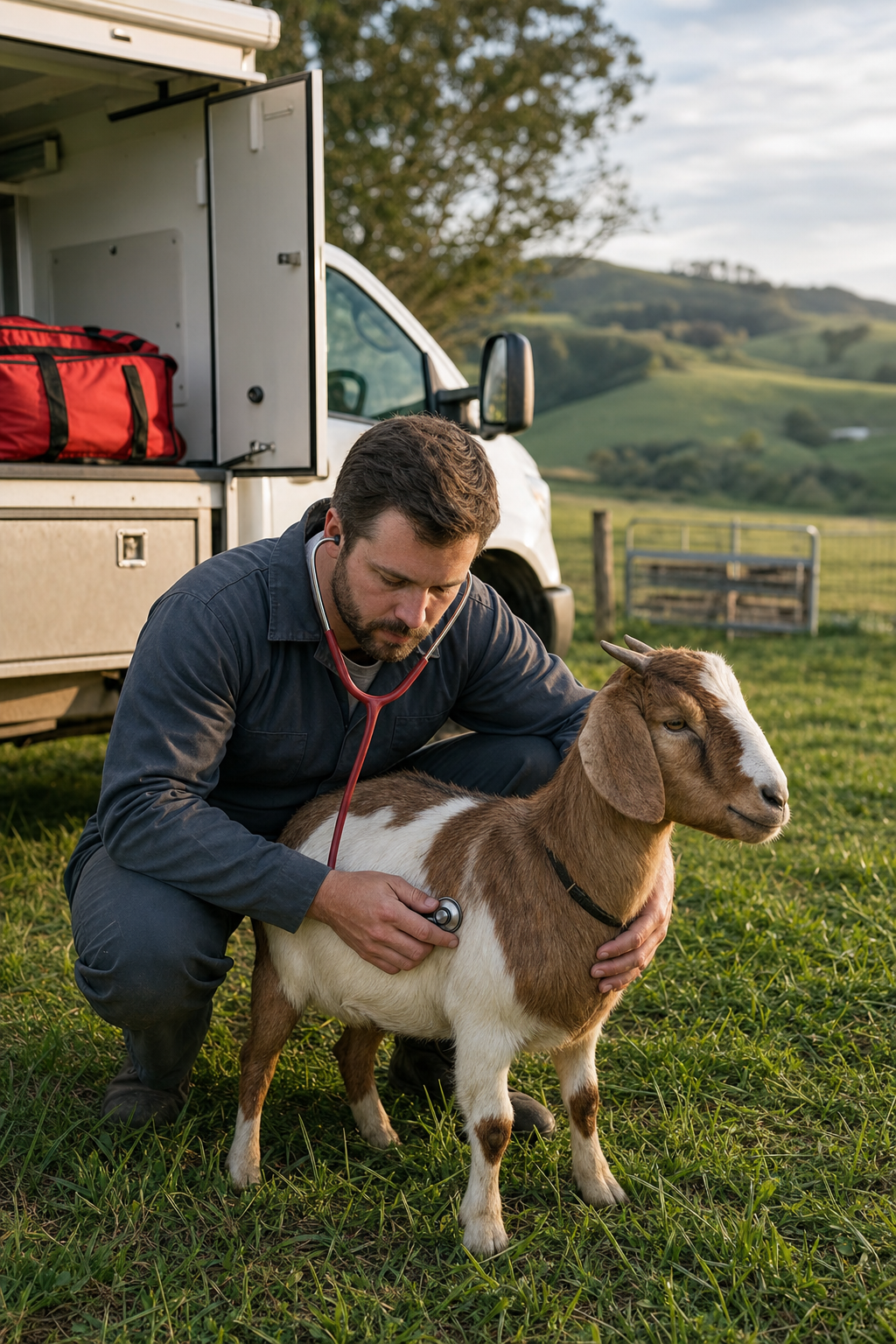
The mobile model has a real cost structure worth knowing. A typical Vermont mobile practice charges a farm call fee and an hourly rate, with a minimum service time. Costs can vary by region, but they illustrate why mobile vets schedule farm calls in routes and why a single visit often costs more than a clinic appointment.
Here’s a mobile vet talking through the kind of livestock cases these practitioners handle day to day:
State agriculture departments often publish accredited mobile vets by county. For example, a state department’s livestock vet listing marks which doctors are mobile-only and which are certified for specific testing. The catch with mobile-only vets: emergency timing depends on where they are on their route, so confirm their after-hours policy before you need it.
4. University Veterinary Teaching Hospital , Specialized care for complex cases
A university veterinary teaching hospital handles the cases your local vet refers out: complicated surgeries, hard-to-diagnose illness, herd disease outbreaks. These are staffed by senior faculty, residents, and students working together.
Best for: complex or high-value cases where you need a specialist, not a generalist.
These teaching hospitals accept referrals from a wide region and often provide 24/7 emergency services. They are equipped with diagnostic tools that many field vets don’t carry, which can be crucial when dealing with a breeding animal worth thousands or a herd problem you can’t pin down.
Teaching hospitals see horses and cattle most, but they also routinely treat sheep, goats, pigs, llamas, and alpacas. If you keep a mini Highland or a small breeding herd, a referral center can be the difference between a treatable diagnosis and a guess. For folks weighing whether that kind of animal fits their budget, our breakdown of what a mini Highland cow costs includes the yearly vet line most people forget to plan for.
The downside is distance and cost. These hospitals tend to cluster in university towns, so you may drive hours, and referral-level care is rarely cheap. Save them for the cases that genuinely need that firepower.
5. Regional USDA-Inspected Clinic , Certified processing support
A regional clinic tied into USDA or state inspection programs helps with the paperwork side of livestock: health certificates, testing for sales, and the certifications you need before processing or moving animals across state lines.
Best for: homesteaders who sell animals, raw milk, or breeding stock and need certified documentation.
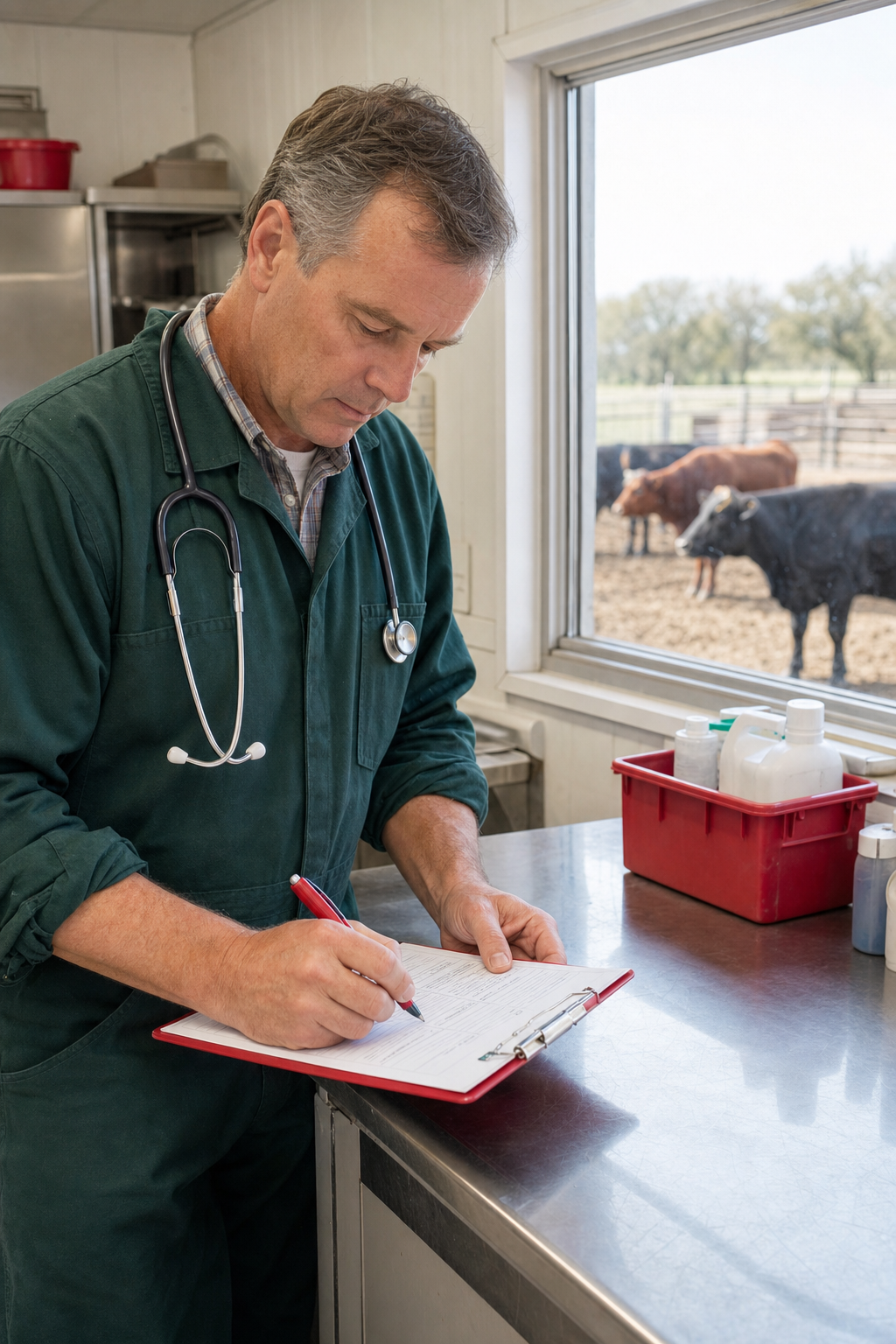
This is where regulation meets your farm. If you sell raw milk in states that allow it, you’ll need brucellosis and tuberculosis testing plus an annual rabies vaccine, and that TB test takes two separate visits. Selling across state lines means a Certificate of Veterinary Inspection. A vet plugged into these programs knows the current rules so you don’t get stuck at a sale barn or fined.
Why the processing angle matters so much: the U.S. has lost a big share of its federally inspected processing plants over the decades, which is why butchers book out months in advance. Your vet’s certification paperwork often gates whether an animal can even enter that pipeline. When you’re hunting down a processor, our guide to finding deer processing near you covers the same booked-out reality and how to plan around it.
Plan emergencies separately. Many full-service clinics route after-hours calls to a partner emergency hospital, the way New Jersey’s Cedar Lane Animal Clinic forwards off-hours cases to a 24-hour referral hospital. A clinic that’s great for certifications may not be your 2am call.
6. Private Large-Animal Practice , Personalized farm care
A private large animal practice is the steady, year-round relationship: routine vaccines, wound care, castrations, and the occasional surgery, often from a vet who knows your animals by name.
Best for: homesteaders who want one consistent vet who learns their herd over time.
The value here is continuity. A vet who’s seen your goats every spring catches changes faster than a stranger. A local private large‑animal practice that has served its community for many years offers large animal medicine alongside surgery and wound care, with a vet on call for after‑hours emergencies. That mix of routine and emergency coverage under one roof is what makes a private practice worth building a relationship with.
Routine herd care is most of what these practices do. Weekly or seasonal health checks catch pregnancy problems and early illness before they turn into emergencies. If you’re raising goats, knowing the normal vaccine and hoof‑trim schedule helps you tell your vet what’s actually wrong, and our guide to raising pygmy goats lays out the CD&T vaccine timing and hoof care rhythm most herds follow.
One caveat: many private practices lean heavily toward equine or small animals and only take “some” large animals. Ask directly which species they treat regularly. “We see large animals” can mean horses only.
This kind of preparedness mindset shows up across rural life. The same homesteaders who keep a vet on file often keep their gear ready too, the way hunters compare options like the best hunting boots for men before the season starts rather than the morning of.
7. Nearby Equine & Livestock Hospital , Broad species coverage
A dedicated equine and livestock hospital combines a physical facility with field service and covers a wide range of species under one practice. These sit between a solo mobile vet and a full university referral center.
Best for: mixed homesteads with horses plus goats, pigs, or cattle that want one place for most needs.
Among the large animal vets we found while researching this list, only one out of three advertised true 24/7 emergency coverage, and that one was an equine-focused practice combining clinic and mobile service. That tells you something: hospitals with a physical building are more likely to staff after-hours care than solo mobile vets running a single route.
These hospitals usually treat horses and cattle as their core, then add sheep, goats, pigs, and camelids like llamas and alpacas. If your homestead has grown past one species, a single broad-coverage hospital saves you from juggling three different vets. When you’re planning which animals to add, our roundup of cow breeds for homesteaders covers the temperament and handling traits that affect how easy vet visits actually are.
The trade-off is the same as any clinic: you may need to haul animals in for non-emergencies, and broad coverage sometimes means less deep specialization than a referral hospital. For most mixed homesteads, that’s a fair deal.
How to choose a large animal vet
Pick a vet before you have a crisis, and judge them on a few usable things rather than whoever shows up first in a search. Large animal vets often provide ambulatory care, meaning they drive to farms and work long, on-call hours, so their availability and travel range shape what you can actually count on.
Run through this checklist when you call a candidate:
- Species: Ask exactly which animals they treat regularly. Many practices say “large animal” but mostly mean horses.
- Mobile or clinic: Confirm whether they come to you, and what their farm call fee and travel radius are.
- Emergencies: Get their after-hours policy in writing. “Yes” to emergencies can mean anything from true 24/7 to “if I’m free.”
- Accreditation: Verify they’re state-licensed and accredited for the certifications you need, like interstate health papers or Coggins tests.
- New clients: Ask if they’re even taking new clients. Many good rural vets are booked solid.
Demand for food-animal vets stays high. A veterinary education overview from Ross University notes a documented shortage of food animal practitioners in rural parts of nearly every U.S. state, with the need especially great across the central states. That shortage is exactly why having a name on file beats scrambling later.
Key Takeaway: The best large animal vet near you is the one you’ve already vetted for species, mobility, and emergency coverage, before the emergency happens.
Raising goats? Our notes on what goats need include the temperature and symptom checks that tell you when a vet call is actually warranted versus watch-and-wait.
Frequently asked questions
How do I find a large animal vet near me?
Start with a verified directory like The Easy Homestead, then cross-check against your state agriculture department’s livestock vet list. Most large animal vets are mobile and don’t rank well in regular search, so a homesteading directory or government listing finds them faster than a generic Google search. Call two or three before you commit.
Are large animal vets available for emergencies?
Not always, so confirm before you need one. In our research, only about one in three large animal vets advertised true 24/7 emergency coverage. Many mobile vets handle emergencies only when their route allows, and many clinics forward after-hours calls to a partner hospital. Ask each candidate for their exact after-hours policy and keep a backup emergency number on file.
How much does a large animal vet visit cost?
Costs vary by region, but mobile vets typically charge a farm call fee plus an hourly rate. One Vermont practice lists an $80 farm call plus $180 per hour, so a basic visit runs about $170 before supplies. Goat and sheep vaccinations run around $20 per animal. Emergency fees add to that, and many vets discount the farm call when several animals are seen in one stop.
What’s the difference between a mobile vet and a clinic?
A mobile large animal vet drives to your farm, while a clinic expects you to haul the animal in. Mobile service is the realistic option if you can’t load a sick or down animal, and it’s the most common large animal model. Clinics and hospitals are more likely to offer staffed emergency hours and advanced diagnostic equipment, so many homesteaders use both depending on the situation.
Do large animal vets treat goats and pigs, or just cattle and horses?
Many do, but you have to ask. Plenty of practices that advertise large animal medicine focus mostly on horses or cattle and take goats, sheep, and pigs only sometimes. Teaching hospitals and broad-coverage livestock hospitals routinely treat goats, pigs, sheep, and camelids. Confirm species coverage directly when you call, since “large animal” doesn’t guarantee they’ll see your goats.
The bottom line
For most homesteaders, the fastest path to a trusted large animal vet is a verified listing you can search by county, then a quick call to confirm species and emergency coverage. Find a verified large-animal vet near you on The Easy Homestead, and add one to your contacts before calving or kidding season starts.