
Most directories can point you toward a farm, but they rarely tell you if eggs are in stock, how pickup works, or who has earned local trust. That leaves you chasing dead links and old posts. Here are four useful places to look for fresh eggs near you.
1. LocalHarvest, useful for farms and markets selling local food
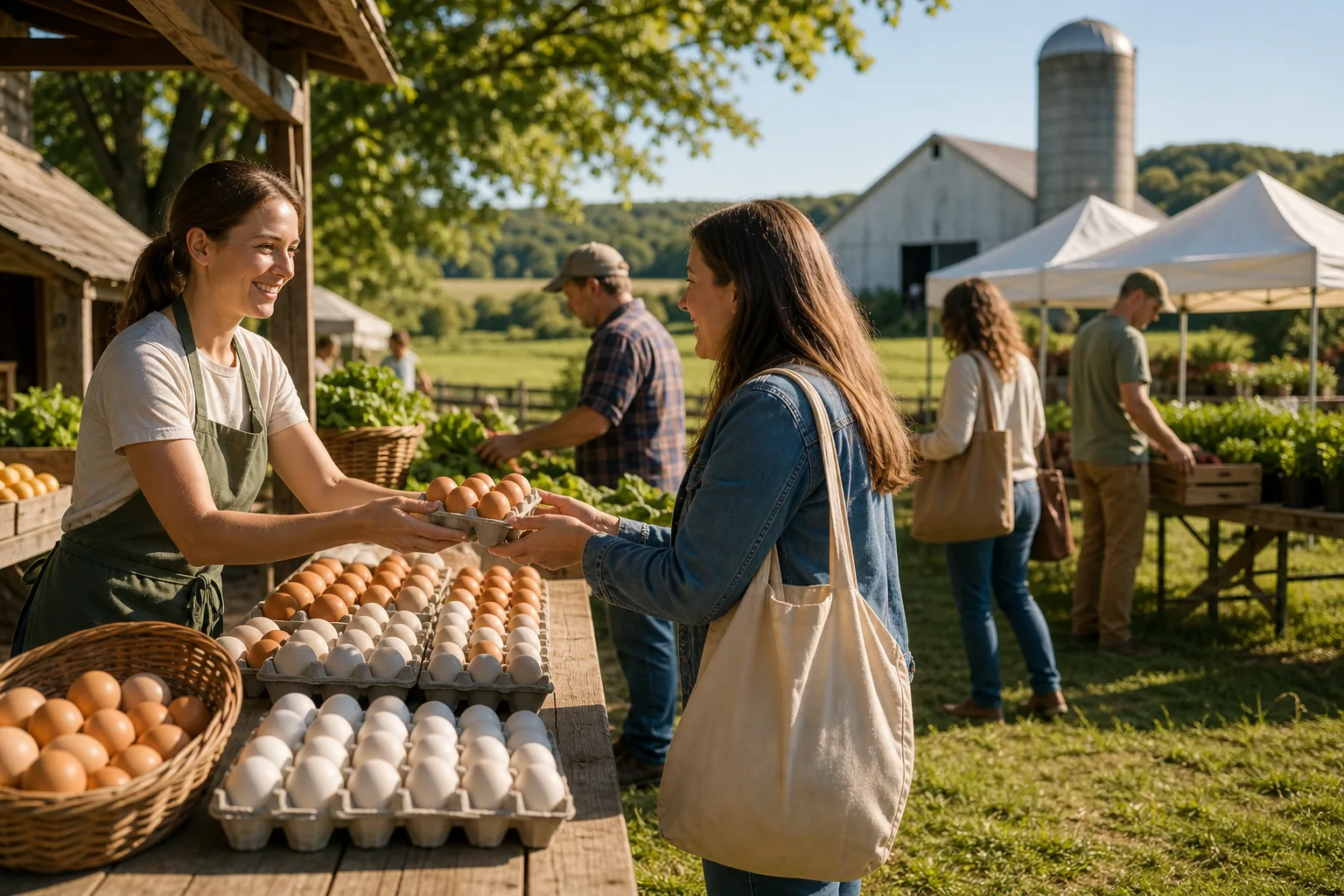
LocalHarvest is a broad directory for people looking for local farms, community-supported agriculture programs, and farmers markets. It can help when your local egg seller also sells other food through a farm or market listing.
 Save
Its main strength is breadth. Michael Pollan describes LocalHarvest as a “definitive and reliable nationwide directory” of CSAs, farmers markets, and family farms. That makes it a reasonable place to widen your search when a ZIP code search gives you too few leads.
The catch is detail. It also does not give a clear method for verifying each listing, a price range, or a standard delivery field. You may find a farm, then need to work out the egg supply yourself.
That matters when your household uses several dozen eggs each week. A listing that says “family farm” does not tell you if the farm sells eggs now. It may sell meat instead. It may have seasonal stock. It may sell only through a CSA share.
Use LocalHarvest when you want to scan a wider food network. Search for farms near your route, then look for a current product list or market schedule. If the listing gives no clear egg details, treat it as a lead rather than a confirmed source.
It is also worth checking the farm’s own page before you plan a trip. Ask about carton size, pickup times, storage, and whether the farm has enough stock for a repeat order. Those questions close the gaps that a broad directory usually leaves open.
For a one-time purchase, this may be enough. For a weekly supply, you will want a source with clearer local signals and a way to compare trust before you commit.
2. Eat Wild, a focused option for pasture-based egg and farm suppliers
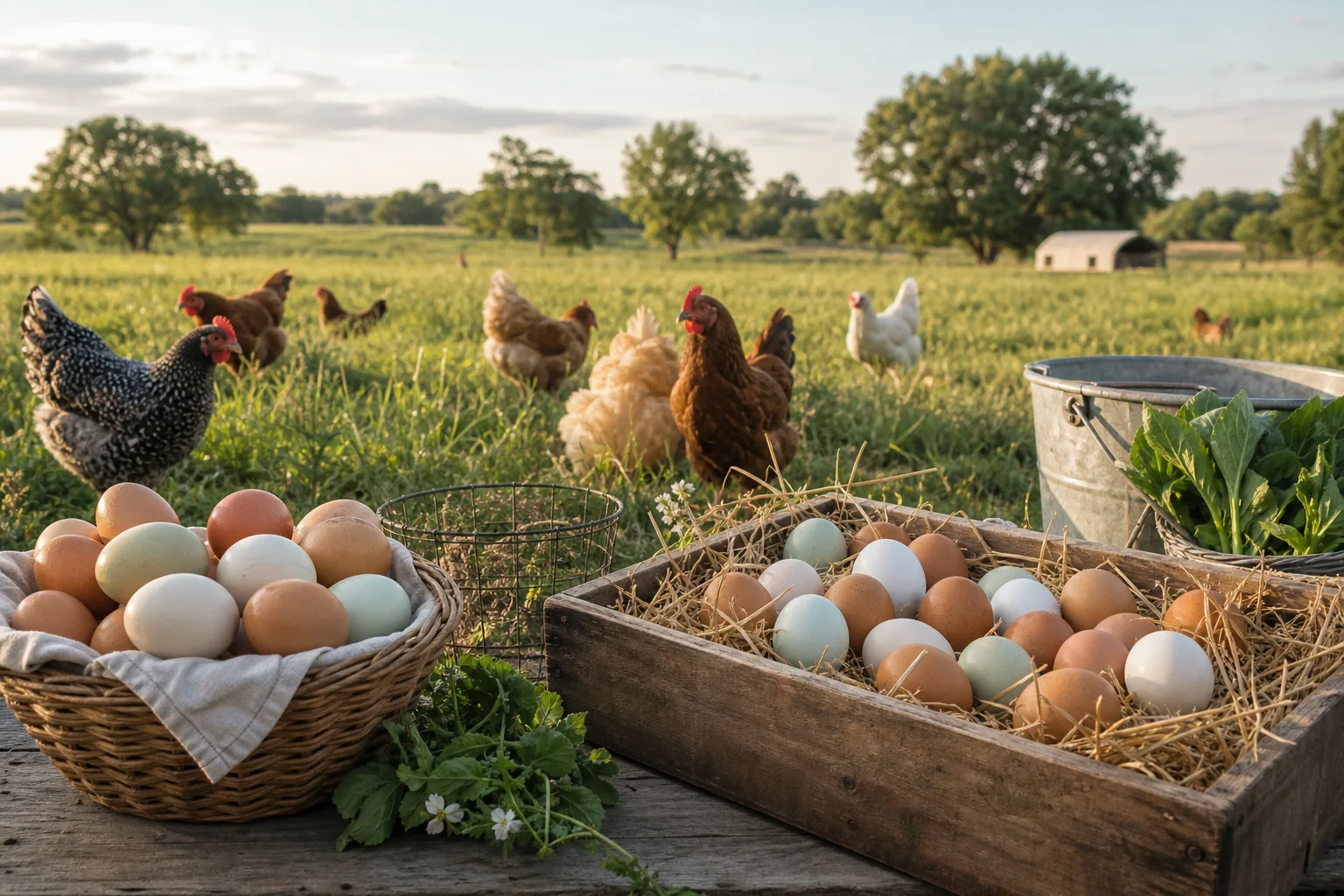
Eat Wild is a focused directory for pasture-based farms and local suppliers. It may help you find a farm that raises animals on pasture, but it is less suited to a precise search for eggs.
 Save
Its stated strength is pasture-based farming. The site describes itself as a clearinghouse for science-based information about pasture-based farming. Michael Pollan also describes Eat Wild as a source that lists local suppliers for grass-fed meat and dairy products.
That focus can help if your buying rule is tied to pasture. You can use it to find leads that match the kind of farm system you seek, then ask each supplier whether eggs are part of the current offer.
But the directory does not give the egg-level details most buyers need. A pasture-based listing still does not confirm that eggs are available this week.
Terms also need care. Pasture-based describes a farming system, but it does not answer every question about handling or storage. Ask the seller how eggs are collected, cleaned, stored, and dated. If you plan to buy for a large household, ask about weekly volume before you make the drive.
Eggs are a food product, so safe handling matters after pickup as well as before it. The general definition and food context of eggs are covered in Wikipedia’s reference entry on eggs, but your local seller remains the right source for current farm practices.
Choose Eat Wild when pasture is your first filter. Choose a more local, review-based directory when you need fast proof that a seller has eggs, serves your area, and can meet a repeat order.
3. Farmers markets and farm stands, best for same-day local pickup
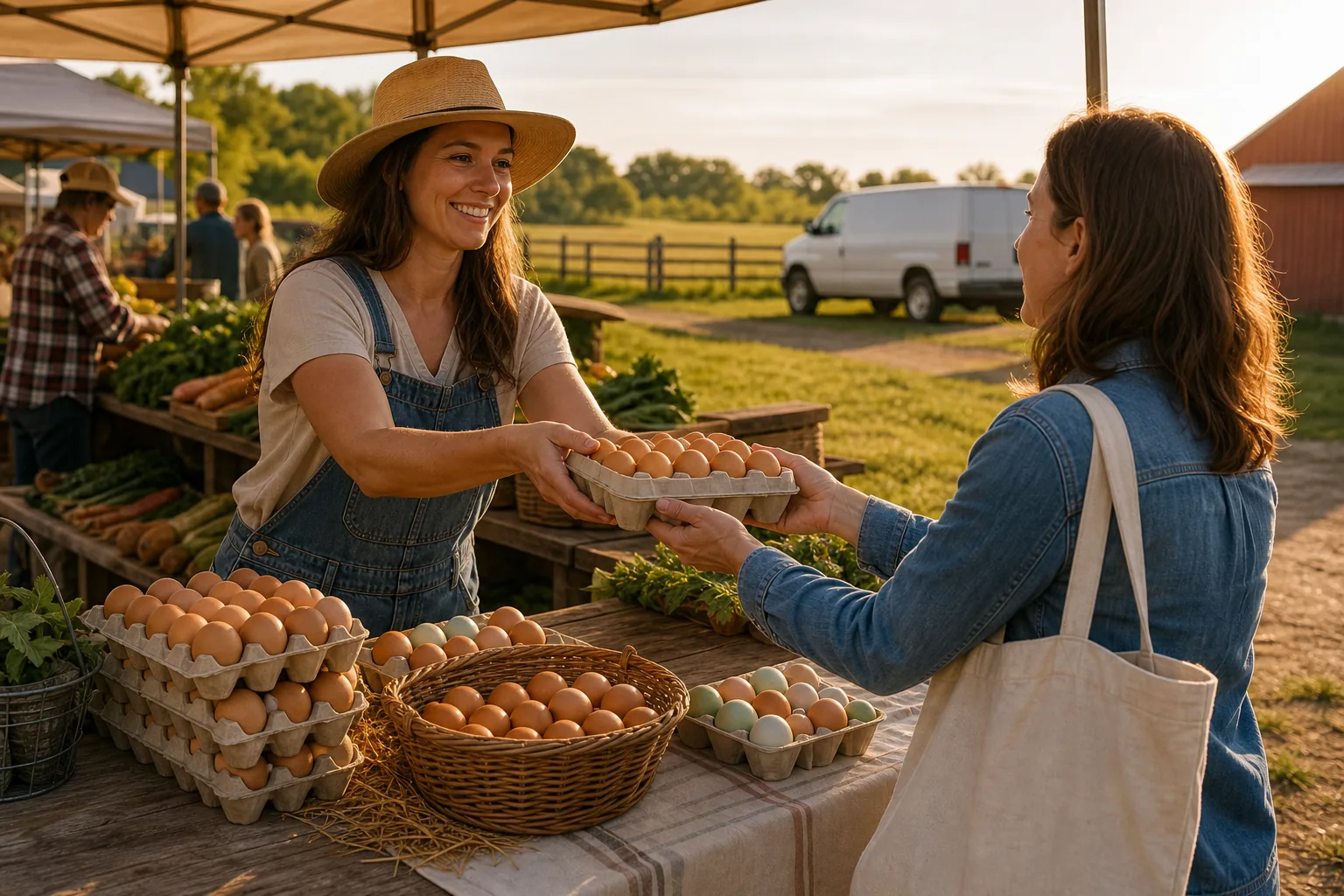
Farmers markets and farm stands are often the best option when you want eggs today and can make a local pickup. They let you speak with the seller, inspect the carton, and ask what is available before you buy.
 Save
The search term “near me” often brings up broad local-service results rather than egg specialists. That means you may need to search the market or farm stand itself, then confirm which vendors sell eggs. A market can show several farms in one trip, but each vendor may have different stock and rules.
Ask three direct questions at the table. When were these eggs collected? How should I store them? Will you have cartons next week? You can also ask if the same farm sells by pre-order, since popular market vendors may sell out before the market closes.
Farm stands have a different tradeoff. They can be closer to home, but hours may change with weather, farm work, or seasonal supply. Look for a current listing or recent post before you leave. Do not assume a stand is open because an old search result says it exists.
The table below shows which option fits the job in front of you.
| Source | Best use | What to confirm | Main limitation |
|---|---|---|---|
| Farmers market | Compare several sellers in one trip | Market date, egg stock, seller schedule | Stock may sell out early |
| Farm stand | Quick pickup near the farm | Open hours, payment, current carton supply | Hours may change |
| Directory listing | Find farms outside your normal route | Current contact details, products, pickup terms | Some listings lack recent detail |
| Repeat farm order | Keep a steady household supply | Weekly volume, reserve policy, pickup window | May require advance planning |
Farmers markets also make it easier to judge basic handling cues in person. The reference definition of a farmers market describes a direct market where vendors sell goods to consumers. That direct contact is useful, but it does not replace your own questions about stock and care.
Use this route when same-day pickup matters more than a formal directory profile. Bring a cooler if the drive home will take time, especially during warm weather.
4. Small egg farms with pickup or delivery, best for a regular supply
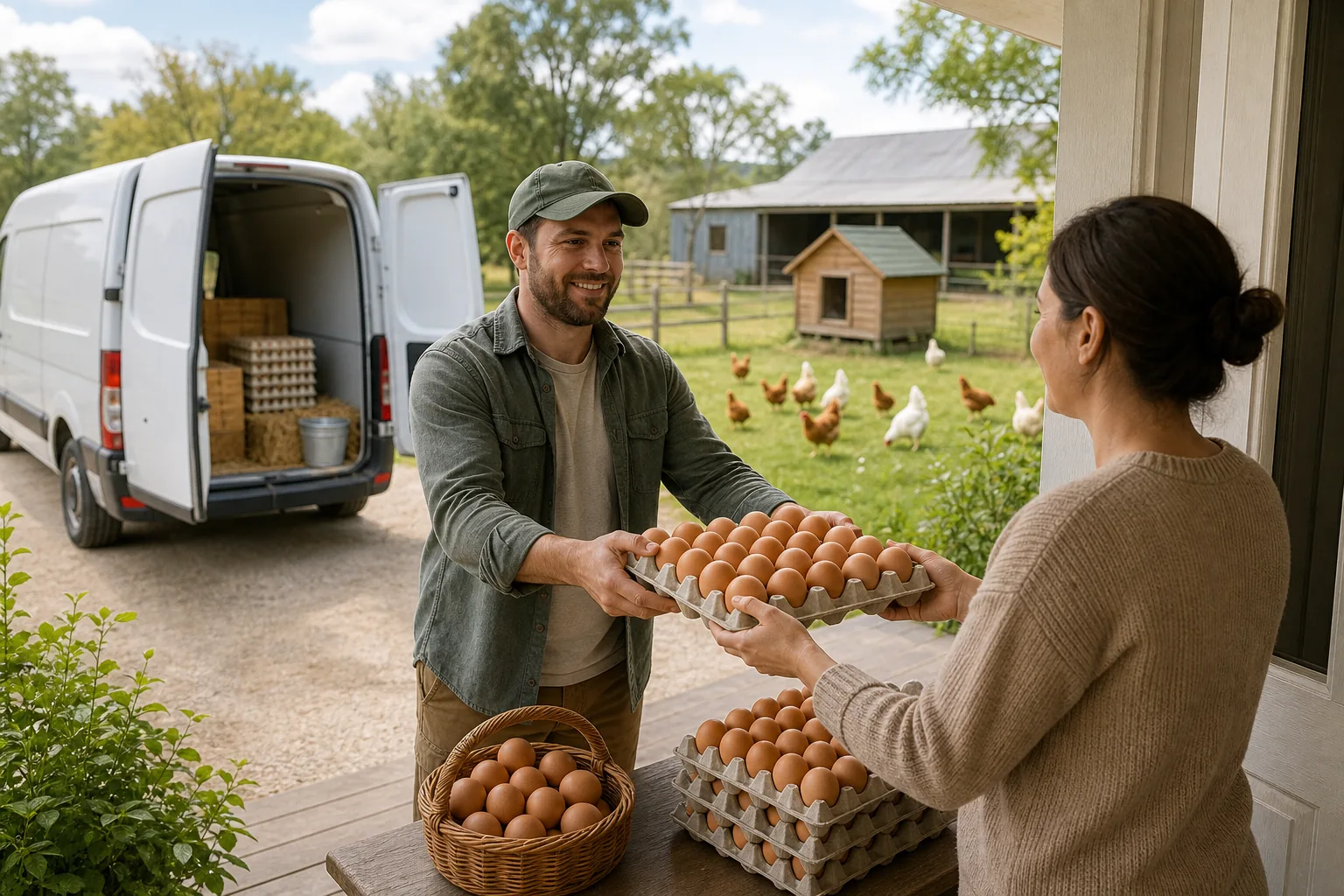
Small egg farms with planned pickup or delivery are the best fit when you need a steady supply instead of a one-off carton. They can work well for families, farm crews, and homesteads that use eggs in cooking each week.
 Save
Start by defining the supply you need. You may want a few cartons at a time, or you may need a standing order for a larger household. Tell the seller your expected volume and ask how much notice they need when flock output changes.
Do not treat delivery as a given. Some farms may offer it only within a set route. Others may use pickup windows or a market handoff. Confirm the service area, minimum order, payment method, and what happens if the farm runs short.
A regular buyer should also ask about egg size and carton type. If you bake often, size can affect recipes. If you sell baked goods or feed a work crew, steady volume may matter more than shell color.
Keep a short backup list. Hens can slow down with weather, molt, age, or flock loss. A second local source gives you a place to turn when your main seller cannot fill the order.
The Easy Homestead can help farms become more visible to nearby buyers. A producer who has a good egg supply but little online reach may also need local search help. A local search provider may offer SEO, local search, and link-building services for businesses seeking more online visibility.
For sellers, clear details save time. State the pickup area, current product, order limits, and update schedule. For buyers, those same details show whether a listing is ready for a weekly relationship or only a possible lead.
Pro Tip: Ask a new seller for the next available pickup date before asking about a long-term order. That one answer tells you more than an old “fresh eggs” listing.
FAQ
How do I find a local egg seller near me?
The fastest route is to search The Easy Homestead by ZIP code or county, then compare nearby poultry suppliers and farm listings. You can also check a farmers market or farm stand for same-day pickup. Confirm current stock, pickup hours, and order limits before driving, since local egg supply can change.
What should I ask a local egg seller?
Ask when the eggs were collected, how they should be stored, and whether the seller has enough stock for your needs. If you want a repeat order, ask about pickup days, delivery range, carton size, and advance notice. A local egg seller near you should be able to explain the current buying process clearly.
Are LocalHarvest and Eat Wild good places to find eggs?
LocalHarvest and Eat Wild are options for widening your search. They do not consistently show verification, price ranges, delivery terms, or current egg stock. Use them to widen your search, then confirm the details directly with each farm.
Can I buy eggs from a farmers market every week?
You can buy eggs weekly at some farmers markets, but you should confirm the vendor’s schedule and stock first. Ask if the seller accepts pre-orders or sets cartons aside. Markets work well for local pickup, yet supply may change before market day. Keep a second farm contact if your household depends on a steady supply.
How do I find pasture-raised eggs nearby?
Search for local poultry suppliers and ask the farm to explain its pasture practices. Eat Wild can help you find pasture-based farm leads, but its listings do not confirm egg stock, delivery, price, or verification. Use those details as questions for the seller rather than treating a directory entry as a current product guarantee.
Conclusion
Start with The Easy Homestead when you need a local egg source you can assess by ZIP code, county, reviews, and listing details. Then check current stock before you leave home. Find fresh eggs for sale near you and turn a scattered search into a short list of sellers worth keeping.