Finding custom meat processing near me gets harder when every good processor is booked months out. Nationwide directories give you broad coverage, but they rarely show reviews or enough detail to judge a plant before you haul an animal there. Use the steps below to find a nearby processor, check inspection status, compare services, and reserve a date that fits your harvest plan.
We pulled the University of Tennessee’s Center for Profitable Agriculture list of USDA-inspected livestock processors, 30 facilities across the state. None of the 30 listings showed a rating or review count, and 11 left the species column blank. We then checked 5 of those same processors elsewhere and found ratings from 3.7 to 4.7 stars, with review counts from 8 to 71. That gap between directories and individual listings explains why review detail comes from each processor’s own listing, not from the state or federal directory alone.
1. The Easy Homestead
Start with The Easy Homestead when you need a local meat processor, butcher, or farm service and don’t want to sort through scattered Facebook posts. The directory lets you search by ZIP code or county. Listings focus on the working homesteading supply chain, so the goal is to help you find a provider you can actually use.
Look for a listing that names the processor’s service area, animal types, inspection status, and customer feedback. Those details matter when you have a few pigs ready for harvest but don’t need a large commercial plant. They also matter when you need poultry work, a mobile butcher, or a shop that handles goats and sheep.
We recommend writing down your search terms before you start. Try “custom hog processing,” “poultry butcher,” “mobile meat processor,” and “USDA inspected butcher.” Add your county or the nearest town. A processor may not use the exact phrase you searched, so check close variants.
The Easy Homestead is built for this kind of local search. It covers service providers that broad farm directories often miss. We also look for useful trust signals, such as verified listings and reviews, instead of treating every listing as equal.
That distinction matters because free access doesn’t prove that a provider fits your needs. Research gathered for this search found that public review information was missing for most entries. A listing can help you find a plant, but you still need to confirm the details before booking.
If your search includes farm cleanup after a harvest, you may also need to deal with grease on aprons, bins, or work clothes. The Easy Homestead’s guide to Remove Grease Stains | Fresh, Old, or Dried | The Easy Homestead covers that separate household task.
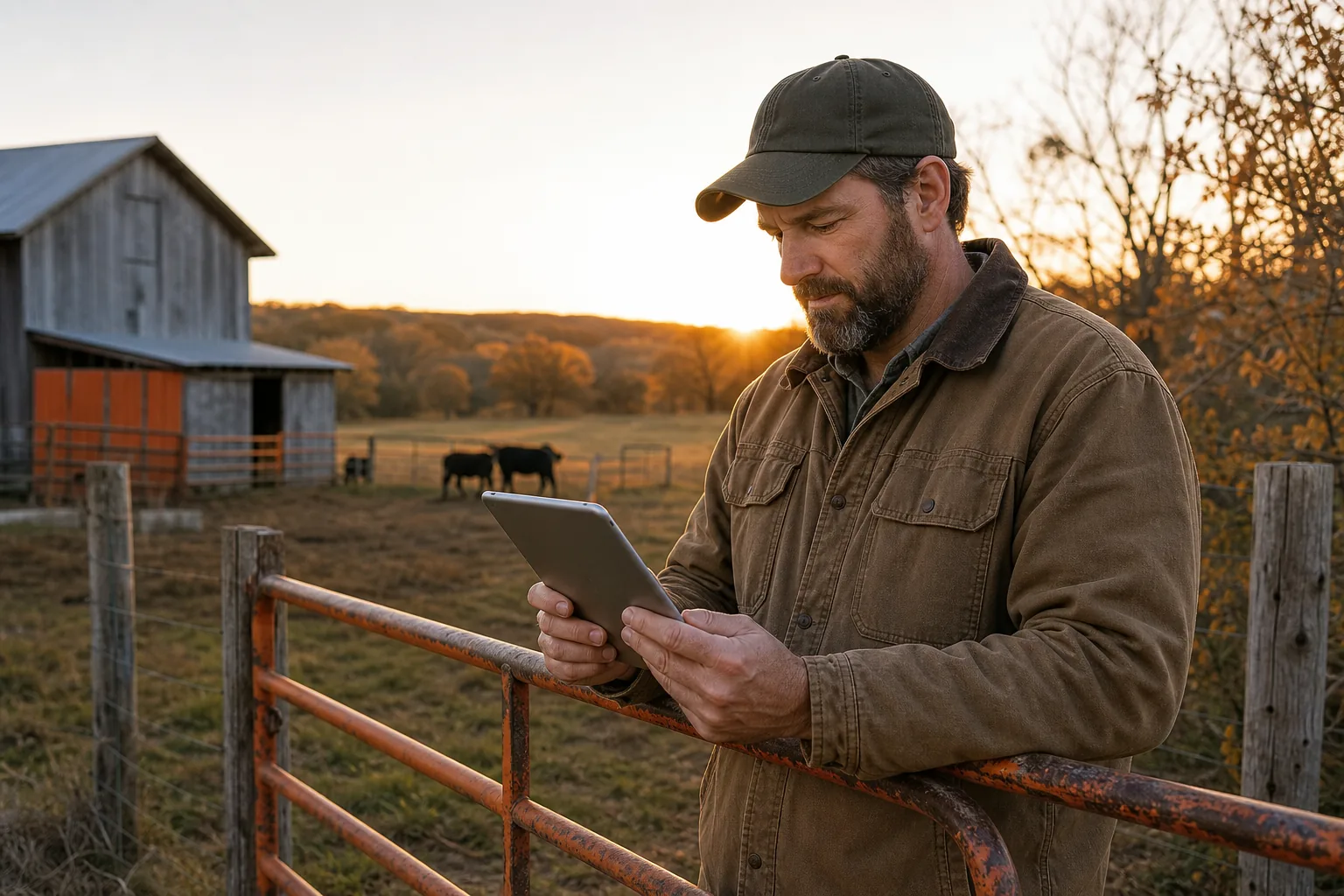
Use the directory as your first filter, not your final decision. You still need to ask about species, inspection, cut sheets, drop-off rules, and pickup timing.
Step 2: Search local directories and state processor lists
Search several sources because no single list gives you every useful detail about meat processing services near me. Start with your county or state. Then check federal listings for plants that may accept animals from outside your immediate area.
The USDA Meat Facility Directory covers all states and lets you search by name, location, or activity. The federal inspection directory also includes basic codes for slaughter, processing, importing, and identification warehouses. That code helps you spot a facility that processes animals instead of a business that only stores or ships products.
Federal inspection status is a useful filter, but it isn’t a complete service description. A directory entry may show an address and establishment details without telling you if the plant handles your breed, animal size, custom cuts, curing, smoking, or small farm orders.
State lists can fill in some of those gaps. Many states publish processor lists, but the format varies. Some use a searchable database. Others provide a PDF. Some lists include only state-inspected plants, so read the heading before you assume the list covers every option.
For a wider search, use state processor lists and federal inspection search guidance. You can also search the directory by nearby cities instead of your exact town. A plant 90 minutes away may be more useful than a closer shop with no open dates.
Keep a short spreadsheet or note with these fields:
- Processor name and town
- Distance from your farm
- Species accepted
- Inspection status
- Custom work available
- Next open booking date
- Drop-off and pickup rules
Search tools can also help you set a wider radius. One directory describes searches within 300 miles and lists USDA-inspected facilities across all 50 states. That kind of breadth is useful when local choices are thin, especially during fall and fair season.
Don’t assume a nationwide directory gives you local proof. Local processor listings sometimes gave more useful clues about the farm size or species served.
The Easy Homestead can cut down the first part of this work by putting local listings in one place. If you still need a broader search, use federal and state lists to expand your radius rather than abandoning the search after one county.
Step 3: Call processors and confirm they improve your animal
Before you compare prices, confirm that the processor takes your animal and your type of order. A meat processor may handle cattle but not goats. Another may accept pigs but refuse poultry or wild game.
Have the key facts in front of you when you contact each shop:
- Animal species
- Number of animals
- Estimated live weight or size
- Target harvest window
- Whole, half, or smaller share
- Need for curing, smoking, sausage, or specialty cuts
- Preferred pickup date
Ask for the next available date first. A perfect processor with no opening won’t solve your current problem. If the date works, ask what must happen before delivery. Some shops require a deposit. Others need a cut sheet before harvest or have strict drop-off times.
Ask how the plant keeps your order separate. If you’re paying to process an animal you raised, you need clear instructions about identification and product handling. You should know when the animal arrives, when cutting starts, and how the finished packages get matched to your order.
Also ask if the processor accepts farm-raised animals under custom rules or only works with inspected product. The answer affects who can receive the meat and how you may sell or share it. Use the official resource to verify federal inspection information and program details.
Don’t rely on a listing alone. Inspection status connects to the broader system of meat inspection, but inspection status does not tell you whether a shop has room for your two pigs next month.
Write down the answers after each contact. Memory gets messy when five processors use different terms for harvest, cut, wrap, and pickup.
Step 4: Compare inspection status, services, and pickup details
Compare meat processing services near me on the details that affect your freezer, not on a listing’s name alone. Inspection status is one filter. Species, cut options, packaging, travel distance, and pickup rules decide whether the service works for you.
Ask the processor to explain the inspection category in plain terms. “USDA inspected” and “state inspected” aren’t interchangeable labels. Your intended use matters. Meat for your household may follow different rules from meat intended for sale, so confirm the rules that apply to your plan.
Next, compare the work done after harvest. Some processors only slaughter and cut. Others make sausage or provide curing and smoking. Some mobile meat processors near me work on the farm, while other processors require you to haul animals to their plant.
Pickup details deserve the same attention as cutting choices. Ask how long the order usually takes. Ask how frozen product gets packed. Confirm how much freezer space you need and how long the shop will hold the order after it is ready.
| Question to compare | Why it affects your plan | What to record |
|---|---|---|
| Inspection status | It affects how the meat may be used or sold. | Federal, state, custom, or unclear |
| Species accepted | A plant may not handle every animal on your farm. | Cattle, pork, sheep, goats, poultry |
| Processing work | Extra work can change your cut plan and wait time. | Sausage, curing, smoking, specialty cuts |
| Drop-off method | Travel time and trailer needs can change the true cost. | Plant delivery, farm pickup, or mobile unit |
| Packaging | Package size affects freezer space and daily use. | Wrap type and portions per pack |
| Pickup window | Finished meat needs a firm place in your freezer plan. | Expected ready date and hold policy |
For example, an on-farm mobile unit may reduce hauling for a large animal. A fixed plant may give you more options for cut work or cured products. Neither choice wins by default. Match the service to your animal count, equipment, and end use.
Research for this topic found that a few local listings included stronger trust signals than broad directories. Arizona Grass Raised Beef Company listed USDA inspection, outside certification, and Google Reviews. That doesn’t prove every part of the service fits your farm, but it gives you more to check before you commit.
When you compare providers through The Easy Homestead, favor listings with clear service details and current reviews. If a listing lacks key facts, treat that as a prompt to ask more questions, not as proof that the provider is bad.
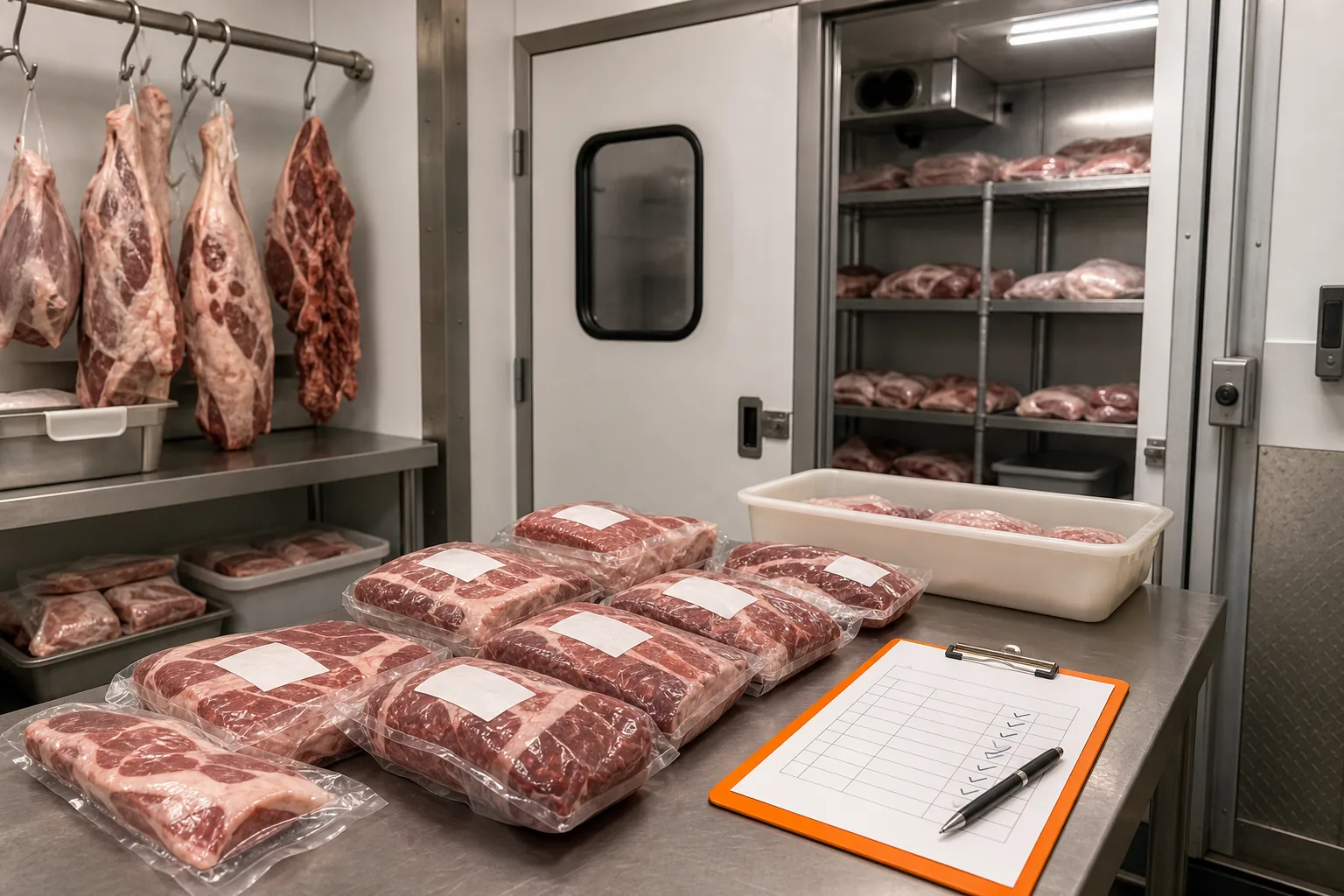
A low discovery cost doesn’t remove the need for due care. Free helps you find options. It does not choose one for you.
Step 5: Book the date and prepare your animals and instructions
Book as soon as you have a likely harvest window. Meat processors often fill dates well ahead of the season, and a late booking can force you to hold an animal longer or haul it much farther.
Once you have a date, ask for the processor’s cut sheet and read it before harvest day. Mark the choices that affect your household most:
- Steak thickness
- Roast size
- Ground meat package size
- Bone-in or boneless cuts
- Sausage preferences
- Cured items such as bacon or ham
Don’t wait until drop-off to make every decision. If you need help with unfamiliar cuts, ask the shop to explain the options. A clear cut sheet reduces mistakes during a busy processing week.
Confirm the delivery rules again a few days before the appointment. Check the arrival time, animal identification method, paperwork, payment terms, and trailer requirements. If the processor uses a mobile unit, ask what space, water, power, or access it needs.
Plan your freezer before pickup. Count open shelves and bins. Set aside clean containers if the processor requires them. Make room for the finished order before you receive the ready notice.
Turnaround depends on the animal and the work requested. Standard cutting may take less time than curing or smoking. One processor’s published guidance gives a typical 10 to 14 days from harvest to pickup, while special products can add more time. Treat any estimate as a planning tool, not a promise.
Keep the processor’s written instructions with your farm records. The same file can hold your booking date, cut sheet, inspection notes, and pickup plan. That makes next year’s booking faster because you won’t have to rebuild your choices from memory.
If you raise multiple species, save separate notes for each one. A pork order may need different timing from a beef order. Poultry also follows a different workflow, so use a poultry-specific search when that is the service you need. The Easy Homestead’s resource on poultry processing near me can help you narrow that search.
For farms that plan to raise more birds, the guide to Best Sources for Guinea Fowl for Sale Near Me | The Easy Homestead covers a separate sourcing problem. Keep it separate from your processor notes.
After harvest season, you may want new recipes for the cuts you selected. A holiday freezer plan could include Fantasy Fudge Recipe | Smooth Holiday Treat | The Easy Homestead, though that recipe is unrelated to meat processing itself.
Farm systems overlap, but your booking notes should stay focused. Use one clear record for each processor and each animal.
FAQ about meat processing services near me
How do I find meat processing services near me?
Use The Easy Homestead to search local listings by ZIP code or county, then check state and federal processor directories. Search terms should include your animal type, such as custom hog processing or poultry butcher. Contact several options because nearby processors may be booked months out or may not accept your species.
What should I ask a local meat processor?
Ask whether the shop accepts your species, what inspection status applies, and when the next opening is. Then confirm cut options, packaging, curing, smoking, drop-off rules, payment terms, and pickup timing. Ask how the shop identifies and keeps your order separate if you want meat from your own animal returned to you.
Is USDA inspection the same as state inspection?
USDA inspection and state inspection are different programs, so don’t treat the labels as interchangeable. Ask the processor which status applies to your order and how that affects your intended use. Federal directories can help you verify listed plants, but they won’t show every service detail or current booking opening.
How far ahead should I book a meat processor?
Book as soon as you can estimate your harvest window because local processors often fill dates well ahead. Your best timing depends on species, season, herd size, and the work you want after cutting. Ask about cancellations or waitlists if the first available date falls too late for your animal.
Can a mobile butcher process animals on my farm?
Some mobile butchers and mobile units work on the farm, but each provider sets its own service area and site needs. Ask about access, space, water, power, waste handling, inspection status, and what happens after slaughter. A mobile option may reduce hauling, but it may not provide every cut or specialty service.
Conclusion
Start with The Easy Homestead, then verify each promising processor by contacting the shop directly. Compare inspection status, species served, cut work, and pickup rules before you reserve a date. When you find a good fit, book early and save your cut sheet for next season. Local butcher options for homesteaders can help you keep building that list.