Here’s something that should bother you: when you search “poultry processing near me,” only about 5% of the processors that show up are confirmed USDA-inspected. Most listings don’t even say what services they offer. So before you haul a cooler of birds to a stranger’s drop-off, you need to know your real options. Below are the five processing routes worth your time, and exactly who each one fits.
1. The Easy Homestead (Our Top Pick)
The Easy Homestead is a local directory built for working homesteaders. Think of it as a Yelp for the homesteading supply chain: verified listings, real reviews, and search by ZIP code or county. It covers meat processors and local butchers, the exact category that’s hardest to find anywhere else.
It’s best for someone like you who raises a couple dozen meat birds a year and doesn’t have a phone full of local contacts yet. Instead of posting in a Facebook group and waiting three days for a vague reply, you search your county and see who’s actually near you.
Here’s why it earns the top spot. Most directories that rank for processor searches are thin on the details that matter. Service type is listed for only about 8% of providers across the web, and pricing fields are almost always empty. We built The Easy Homestead to close that gap with verified listings and reviews from real homesteaders, not anonymous star ratings. If we don’t have strong coverage in your county yet, we say so plainly instead of padding the map with dead listings.
The honest caveat: we’re growing region by region, so some areas have more depth than others. If your county is light, treat the listings you find as confirmed leads and call to lock down your date. While you’re sorting suppliers, our walkthrough on how to find a meat processor near me covers what state-inspected versus USDA-inspected actually means before you commit.
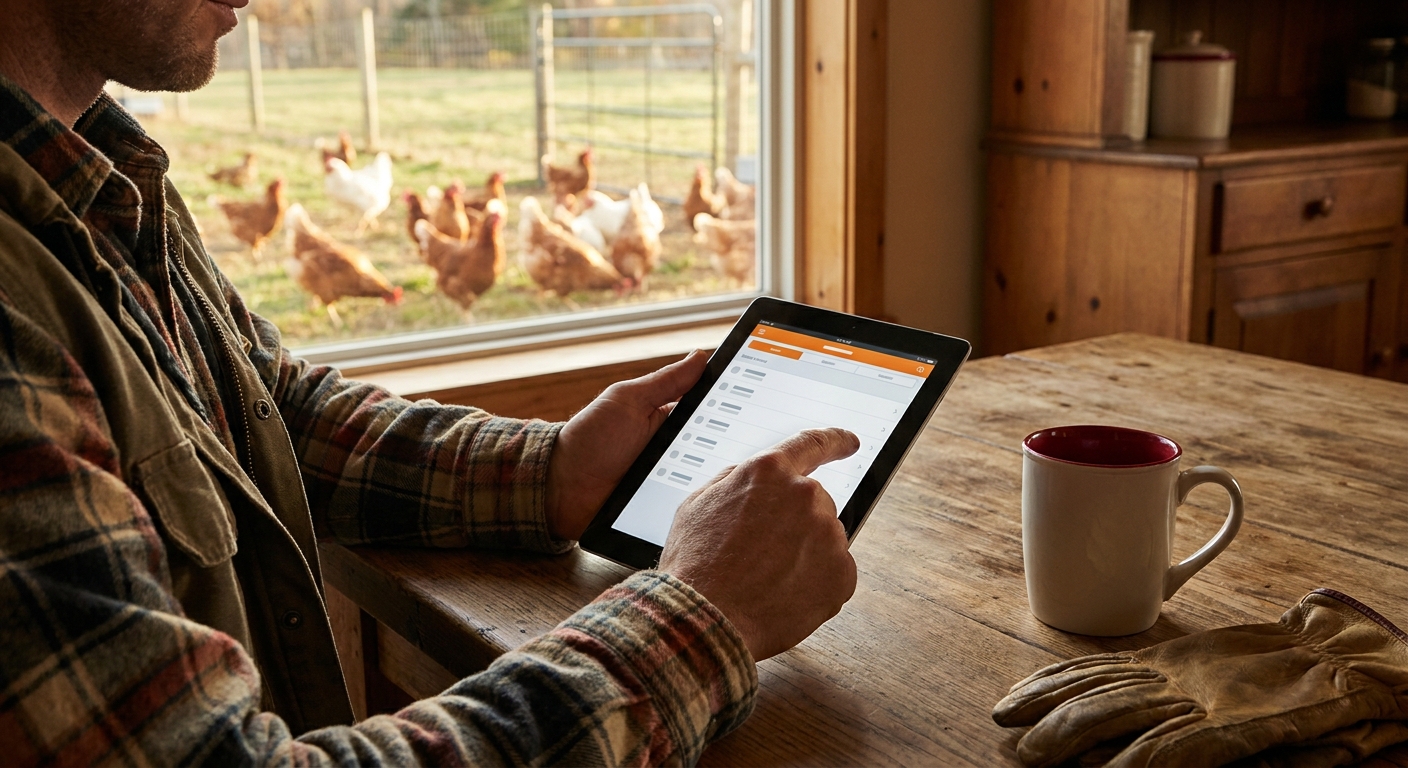
Pro Tip: Book your processing date the same week your chicks arrive. Good processors fill their fall calendars by midsummer, and “booked for months” is the most common complaint homesteaders have.
2. USDA-inspected processors
A USDA-inspected processor runs continuous, bird-by-bird inspection during slaughter. This is the route you need if you plan to sell whole birds across state lines or to restaurants and stores. No exemption, no gray area.
It’s best for homesteaders who’ve crossed from “feeding the family” into selling at farmers markets or to local chefs. The federal Poultry Products Inspection Act, run by USDA’s Food Safety and Inspection Service, requires that poultry sold as human food be slaughtered under inspection. A handful of these plants do fee-for-service work, meaning they’ll process your birds and hand them back labeled for sale.
The catch is supply. The number of federally inspected plants has dropped sharply over the decades, so the ones still running are often booked out months ahead. Some only handle chicken; others take turkey, duck, or goose. You have to call and ask, because the public USDA listing won’t tell you whether a plant processes for independent producers.
One confirmed example from processor listings is Steadfast Farms, described as a USDA-inspected egg production, slaughter, and meatpacking operation. That’s the kind of detail you want nailed down before drop-off. If a listing doesn’t state inspection status, assume nothing and ask directly.
3. Mobile processing units
A mobile poultry processing unit, often called an MPPU, is a self-contained slaughter setup that comes to your farm or a shared site. You process your own birds under the unit’s permit, which sidesteps the problem of hauling live poultry an hour each way.
This route fits pasture poultry folks who raise a few hundred broilers a season and want control over how the birds are handled. Several states built these units as prototypes and now lease them to trained producers.
The University of Kentucky, for example, makes its mobile poultry unit available to state producers who complete food safety training before using it. New York approved its first state-inspected, enclosed mobile unit back in 2009, designed so other producers could process birds under their own state license. According to the Niche Meat Processor Assistance Network, twenty-five states run their own poultry inspection programs, which shapes whether a mobile unit can operate as inspected or under an exemption in your area.
The honest limit: the economics are tricky. One New York operator stopped processing for other producers because the price farmers were willing to pay didn’t cover his costs. So availability comes and goes. If you raise enough birds to justify a rental day, a mobile unit can be the cleanest option. If you’ve got 25 birds once a year, it usually isn’t worth it. For a sense of how many birds make a batch worth the effort, our guide to buying meat chickens breaks down realistic flock sizes.
4. State-level small processors
State-inspected processors operate under a state program that the USDA recognizes as at least equal to federal standards. The meat is legal to sell, but only within that state’s borders. For most homesteaders selling locally, that’s all you need.
This route suits Rachel-types selling birds to neighbors, at a farm stand, or through a small CSA inside their own state. The licensing is real and worth understanding. Illinois, for instance, issues two plant license tiers through its Department of Agriculture meat inspection program, including a custom-exempt option for processing you can’t sell commercially.
State plants tend to be smaller and more flexible than the big federal operations. One USDA-inspected poultry processor in Minnesota uses the motto “big enough to do things, small enough to cater,” and that mindset is common at this scale. They’ll often take spent laying hens, odd lots, and small turkey batches the big plants won’t bother with.
Here’s the decision rule. If everything you process stays inside your state and goes to in-state buyers, a state-inspected plant is the usable pick. The moment you want to ship across a state line or sell wholesale beyond your borders, you’re back to needing USDA inspection. Don’t guess on this one; the rules differ by state, so confirm with your state ag agency before you advertise birds for sale.
5. Regional co-op processing hubs
A co-op processing hub is a plant owned or shared by a group of farmers, built to serve many small producers instead of one big brand. You buy in or pay a fee-for-service rate, and the plant handles your birds alongside everyone else’s.
This is the route for homesteaders who’ve outgrown DIY but can’t justify their own facility. Co-ops spread the cost of an inspected plant across a membership, which keeps small batches viable. The model shows up across the country in different forms.
Take the Livestock Producers Cooperative Association in Odessa, Washington, a multi-species, cooperatively owned, USDA-inspected slaughter and fabrication plant formed largely by cattle producers. Or the Island Grown Farmers Cooperative in Bow, Washington, which ran the first USDA-inspected red meat mobile slaughter unit in the country and routes further processing through a permanent member plant. These setups exist because individual farms couldn’t carry the cost alone.
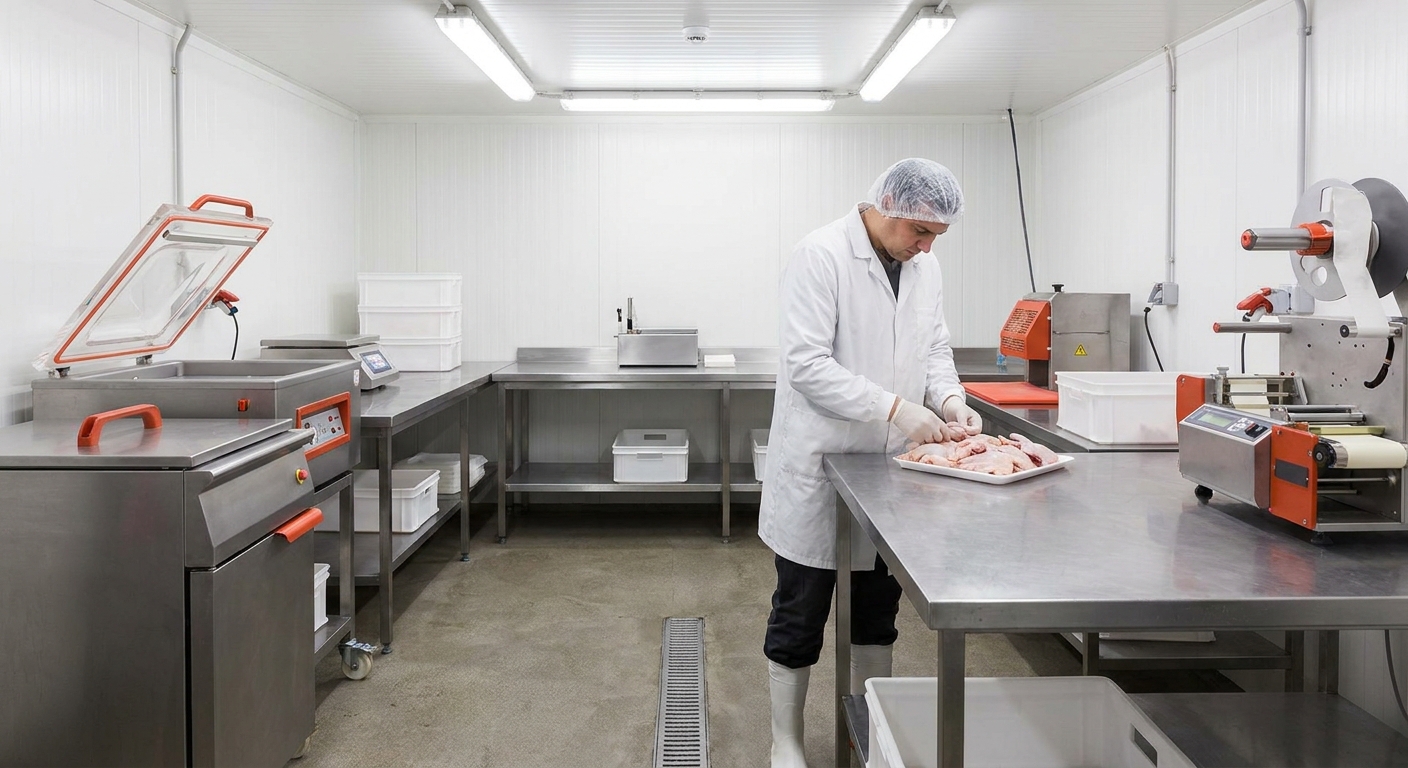
The trade-off is access and timing. Co-op plants often serve members first, and demand can run high. One Pennsylvania red-meat plant we found in case studies schedules three to four months out as a matter of routine. If you’re not already in a producer network, finding a co-op hub usually starts with asking at the feed store or searching a verified directory. The same legwork applies to finding deer processing near you in fall, when these same plants get slammed with hunting season volume.
“Big enough to do things, small enough to cater.” That motto is the whole pitch for small and co-op processors, and it’s why they fit homesteaders better than industrial plants.
FAQ
How do I find poultry processing near me that’s actually USDA-inspected?
Start with a verified directory like The Easy Homestead, then confirm inspection status directly with the processor. Only about 5% of processors listed online clearly state they’re USDA-inspected, so a listing alone isn’t proof. Call and ask whether the plant runs federal inspection and whether it does fee-for-service work for independent producers before you book.
What’s the difference between state-inspected and USDA-inspected poultry processing?
State-inspected processing lets you sell within your own state, while USDA inspection lets you sell across state lines and wholesale. State programs must meet standards the USDA recognizes as equal to federal ones. Twenty-five states run their own poultry inspection programs. If everything you sell stays in-state, state-inspected is enough; cross border sales require USDA.
Why is every poultry processor near me booked for months?
Processors are booked months out because the number of inspected plants has shrunk for decades while small producers keep growing. Fall is the worst, since meat birds, turkeys, and deer season all hit at once. The fix is booking early. Reserve your slaughter date when your chicks arrive, not when the birds are ready.
Can I process my own poultry at home and still sell it?
Sometimes, under a small-producer exemption, but the rules vary by state. The federal Poultry Products Inspection Act includes exemptions for small producers, yet states can adopt stricter rules or reject the exemptions entirely. Exempt processors still follow sanitation and recordkeeping requirements. Check with your state ag agency before selling any home-processed birds.
How much does poultry processing cost per bird?
Pricing varies widely by region, bird size, and whether you want whole birds or cut-up, so confirm rates directly with each processor. Across online listings, price-per-bird data is almost never published, which makes phone calls unavoidable. Ask about minimum order size too, since some plants won’t take small batches. A verified directory profile gives you the contact info to compare quickly.
Conclusion
If you’re starting from scratch with no local contacts, search your county on The Easy Homestead, find a verified processor, then call to confirm inspection status and lock your date. That one step saves you the three-week Facebook hunt. Browsing verified hatcheries and breed picks on the same platform helps you plan the next flock while you’re at it.