Rare poultry can earn its keep. Some uncommon breeds handle cold weather well, lay useful eggs, or bring calm traits to a working flock. The hard part is finding birds that fit your land and a seller who can describe them honestly. Use these steps before you send payment.
We read 6 published guides to buying chickens from breeders, including Community Chickens, Cluckin, and Thrifty Homesteader, and checked each for 3 buyer safeguards. 0 of the 6 spelled out written sale terms or a refund policy for buyers. Only 1 mentioned NPIP certification, and just 2 gave a specific quarantine length, both landing on 2 weeks. Confirming refund terms and a firm quarantine window in writing covers ground most published chicken-buying advice skips.
Step 1: Match the breed to your farm and flock
Start your search for rare breed poultry for sale with your farm plan, not a photo. A bird that looks striking online may still clash with your weather, fences, or flock size.
Write down the job you need the birds to do. Egg production, meat, breeding, exhibition, and flock diversity each point toward different traits. If you want steady household eggs, begin with breeds listed for eggs or dual-purpose work. If you want a display bird, accept that ornamental breeds may give you less farm output.
Temperament deserves equal weight. Docile birds suit flocks that need regular handling. Active or flighty birds need sound fencing and more room to roam. Campine, La Fleche, and Derbyshire Redcap are described as active or flighty in the breed notes reviewed for this article. A calm flock can absorb one lively bird. A tight pen may not.
Climate changes the choice. Svart Hona is listed as very cold hardy, while Hedemora is listed as extremely cold hardy. That matters if winter weather is part of your normal year. A cold-tough bird may fit your setup without extra heat, though every flock still needs dry shelter and protection from drafts.
Use The Easy Homestead to search for local hatchery and poultry suppliers by county or ZIP code. Local stock can cut travel time and may let you inspect the parent flock before buying. Our guide to finding a hatchery near you also covers pickup, shipping, and breed availability.
Key Takeaway: Pick the work, climate fit, and temperament first. Let color and rarity break a tie.
By now, you should have a short list of breeds that can live well in your conditions. Next, compare those breeds on traits you can manage day after day.
Step 2: Compare rare breeds by useful traits, not appearance
Rare breed poultry listings often lead with looks. Your comparison should lead with flock function, egg details, handling needs, and winter fit.
The breed review behind this article covered 24 rare breeds. Temperament was listed for 22 of them, so it gives you the clearest way to judge flock fit. Egg color was much less complete. Only 9 breeds had egg-color notes. Treat missing details as a question for the seller, not as a promise.
For a broader alphabetical reference, compare the breed names in our chicken breeds guide before you narrow the list.
| Farm need | Traits to seek | Examples from the breed notes | Watch for |
|---|---|---|---|
| Household eggs | Egg use and known egg color | Holland, Erminette, Hedemora | Reported color and output may be incomplete |
| Cold winters | Cold-hardy description and dry shelter plan | Svart Hona, Hedemora | Only some breed records list cold hardiness |
| Calm handling | Docile or friendly temperament | Holland, Sultan, Erminette | Sultan may face bullying from assertive birds |
| Open ranging | Foraging skill and secure perimeter | Svart Hona, Ayam Cemani | Flighty birds can test weak fencing |
| Display flock | Ornamental or exhibition use | Onagadori, Sultan | Appearance may come with lower farm output |
Holland is listed as calm, friendly, and quiet, with white eggs and dual-purpose use. Erminette is described as gentle and docile, with egg and dual-purpose value. Sultan is calm and docile, but its notes warn that assertive breeds may bully it. That last detail can change your pen plan.
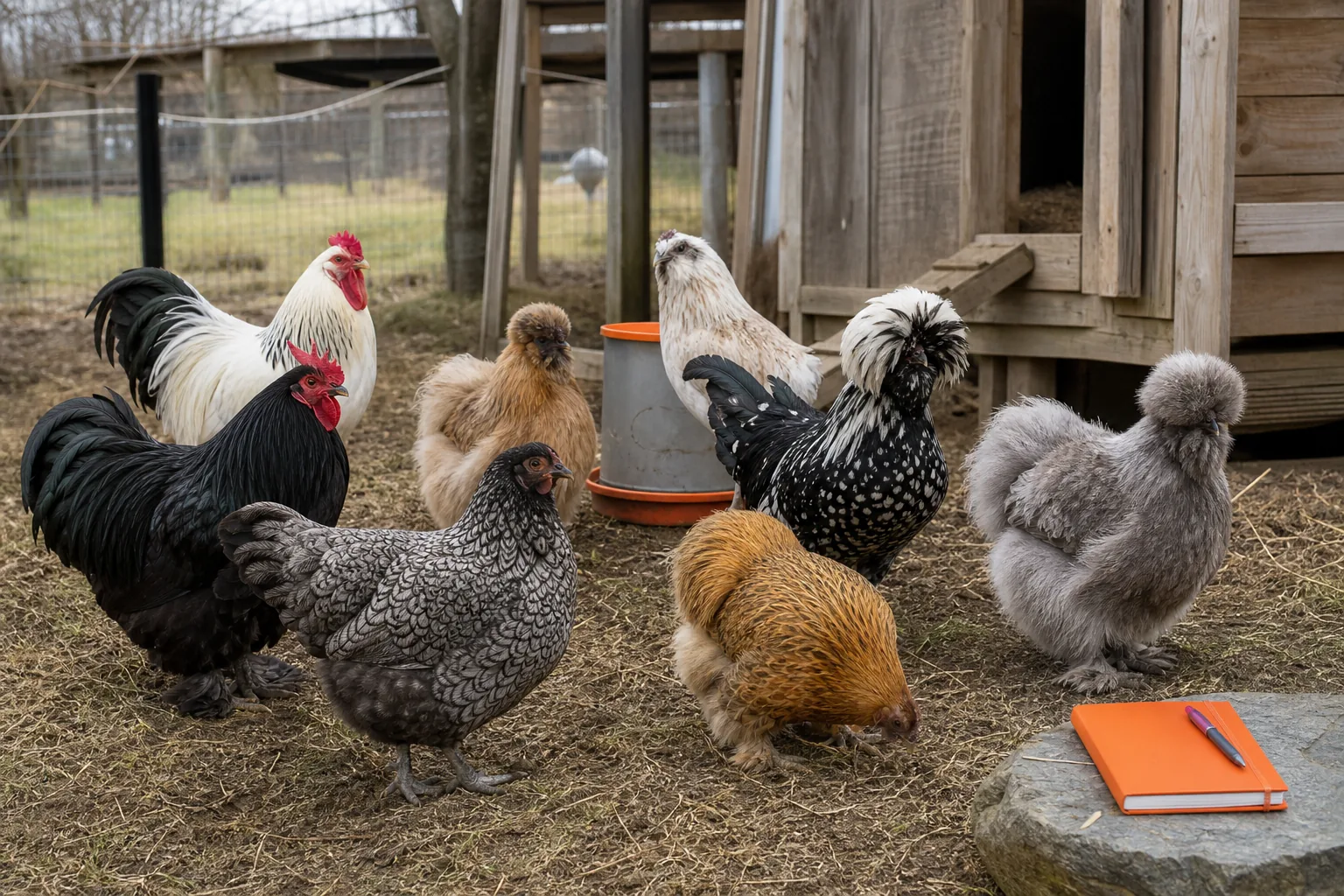
Size is another gap to close before you buy. The breed notes report adult weight for only two breeds, with Serama under 1 pound and Brahma at 8 to 12 pounds. That range affects roost height, nest space, feeder access, and how easily a bird can be harmed by larger flock mates.
Make a seller question sheet before you browse listings:
- What is the bird’s current age and sex?
- What egg color do the parent birds produce?
- How large are the adult parents?
- Are the birds used to people handling them?
- What cold or heat conditions have the parent flock handled?
- Are these birds sold for eggs, breeding, meat, or exhibition?
For a wider look at egg traits, compare your shortlist with our guide to laying hen breeds. It can help you spot when a rare breed fits your output goals and when you are paying for looks alone.
Use the breed name as a starting point. The seller’s actual line, age, and care history still decide what arrives at your gate.
Step 3: Vet the seller before you pay for birds
A rare poultry listing is only as good as the person behind it. Before you pay, ask for facts that a seller can answer without reaching for sales copy.
Request current photos or a short video of the actual birds. Ask for a clear view of feet, eyes, feathers, combs, and the flock’s living space. You do not need a perfect show photo. You need enough detail to see whether the birds look alert and well kept.
Ask what the birds eat and how they are housed. Ask if they have been mixed with other breeds. Find out if the seller raises the birds on pasture, in a run, or in a closed coop. None of those systems proves quality by itself. The answer helps you plan the handoff.
Get the terms in writing. Confirm the breed, number of birds, sex, age, price, pickup date, delivery method, and refund policy. If the seller will not state what happens when a bird arrives dead or badly injured, pause the sale.
Health questions should be direct. Ask about recent illness, deaths, outside birds entering the flock, and any state health paperwork required for transport. Rules can vary by location. Check your state agriculture office before moving birds across state lines.
A seller who says, “I do not know,” can still be honest. A seller who changes answers or avoids basic questions is a poor risk. Rare lines can be hard to replace, so a bad purchase may cost you a breeding season.
Keep your own notes. Record the listing date, seller claims, photos, and messages. Our homestead resources page can help you keep your farm-buying research in one place while you compare suppliers.
We also recommend checking what a listing actually verifies. The Easy Homestead is built around searchable local listings and real reviews, so you can start with a seller who has a visible record instead of relying on one post in a fast-moving group.
Stop the sale if the seller pressures you to pay at once, refuses current photos, or will not explain transport. Rarity is never a reason to skip basic checks.
Step 4: Find a seller and confirm pickup or delivery details
Once you know the breed and seller standards, search for rare poultry stock within a transport plan you can handle.
Local pickup lets you see the birds and avoid a long trip through a carrier network. It also gives you a chance to bring the right crate, bedding, water plan, and weather cover. Ask how long the birds will be in transit before you agree to a pickup time.
Shipping can work, but the details must be clear. Confirm the ship date, arrival location, weather limits, carrier method, and seller’s live-arrival policy. Ask what happens if the carrier delays the package. Do not assume a refund policy covers every delay or every bird.
Plan the route before collection day. Keep the crate stable and out of direct sun. Avoid leaving birds in a parked vehicle. Have your quarantine pen ready before you leave, because a tired bird should not wait in a garage while you build its new space.
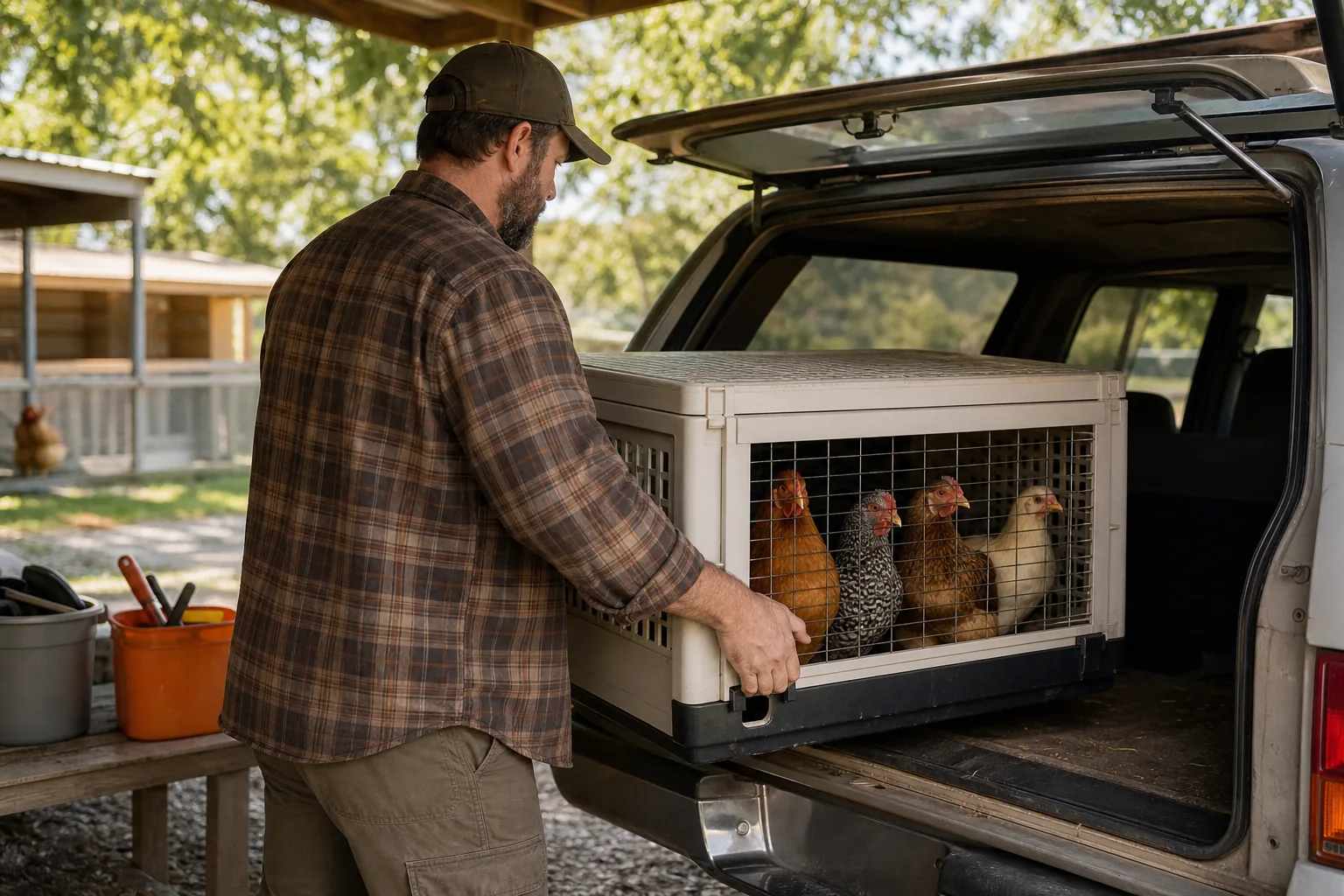
Ask for a written pickup note with the bird count and agreed terms. Improve your own photos at handoff. If the birds look weak, injured, or unlike the agreed breed, raise the issue before you leave.
When you need a seller near home, search The Easy Homestead by ZIP code or county. The directory covers hatcheries and poultry suppliers alongside services that may matter later, such as large-animal veterinary care.
For transport gear, feed choices, and other farm supplies, use our chick ordering guide as a planning check. The same handoff logic applies to rare birds, even when the order is small.
Set a firm arrival window. Birds should move from the seller’s care into your prepared quarantine space without extra stops.
Step 5: Quarantine and assess the birds when they arrive
Quarantine protects your established flock from a problem you cannot see at pickup. The term means keeping new animals apart while you watch their health.
Place new birds in a separate pen with separate feed and water gear. Keep that pen away from shared air flow when you can. Wash your hands after handling them. Use separate boots or clean footwear before entering the main flock area.
Watch the birds before you handle them. Look for alert movement, steady breathing, clear eyes, clean nostrils, normal droppings, and an appetite. Check feet and legs for swelling or injury. A bird that hides all day, sits puffed up, or struggles to breathe needs prompt veterinary advice.
Keep a daily record for the first stretch of isolation. Note feed intake, water use, droppings, weight if you track it, and any change in behavior. Your notes help a vet judge whether the issue is new or worsening.
Do not rush the flock mix because the new birds seem fine after one day. Follow your veterinarian’s advice for the length of quarantine and testing. A large-animal vet who understands poultry can help you set a plan. Our guide on finding a livestock veterinarian near you can help when your current clinic does not treat birds.
Feed and water access matter during this stage. Watch for bullying if the new birds are smaller or more passive. Sultan, for example, is described as prone to bullying from assertive breeds, so a slow introduction may be especially important.
Only mix the birds after the quarantine plan is complete and the flock is healthy. The basic purpose of quarantine is separation during a period of observation, which is why a shared coop defeats the point.
Pro Tip: Set up the quarantine pen before you buy. A spare run with its own feeder and waterer is worth more than a last-minute corner of the barn.
If you need to tighten the perimeter around a new ranging flock, review our notes on the best electric fence for cattle and adapt the planning points to poultry scale. Fence gaps matter more when an active breed is part of the order.
FAQ about buying rare breed poultry
Where can I find rare breed poultry for sale?
You can find rare breed poultry through local hatcheries, breeders, poultry suppliers, and farm networks. Search by county or ZIP code first so you can compare pickup options. The Easy Homestead helps you find local poultry listings, but you should still confirm breed, age, health terms, and stock dates with each seller.
Are rare chickens good for a working homestead?
Rare chickens can fit a working homestead when you match the breed to its job. The breed notes reviewed here include birds used for eggs, dual-purpose work, meat, exhibition, and ornamental flocks. Check temperament and climate fit before buying. A rare bird is useful when its care needs fit your fencing, shelter, and daily labor.
Which rare chicken breeds handle cold weather?
Svart Hona is listed as very cold hardy, while Hedemora is listed as extremely cold hardy. Those notes make both worth researching for cold regions. Still, breed labels do not replace dry shelter, good ventilation, and protection from wind. Ask the seller how the parent flock handled your local winter conditions.
How do I know if a poultry seller is trustworthy?
A trustworthy poultry seller can answer questions about the actual birds, parent flock, care routine, transport, and refund terms. Ask for current photos and written details before paying. Look for consistent answers rather than polished claims. If a seller avoids basic health or handoff questions, find another source.
How long should new poultry stay in quarantine?
New poultry should stay separate for the period your veterinarian recommends, because the right length depends on your flock and local health risks. Keep new birds away from shared feed and water gear while you observe them. Watch breathing, appetite, droppings, movement, and signs of injury before any flock introduction.
Conclusion
Choose rare poultry by farm job first, then check climate, temperament, seller records, transport, and quarantine needs. Start your local search on The Easy Homestead, contact only sellers who answer clearly, and prepare the separate pen before the birds arrive.