If you need a state inspected butcher, a broad web search usually gives you too much noise and too little proof. Here are three useful sources to check, plus where The Easy Homestead fits for ZIP code and county search.
1. EatWild: A nationwide grass-fed farm directory
EatWild is a nationwide directory focused on farms and producers that meet its criteria for grass-fed meat, eggs, and dairy. It can help when your search starts with a food source rather than a nearby processing appointment.
The directory states that it covers all 50 states. That reach gives you another place to look when a local search produces few results, especially if you want to identify farms that sell pastured products in a wider region.
Its main strength is subject focus. EatWild is built around grass-fed and pasture-based food sources, so it may fit a buyer who wants to find those farms first. It is less clearly suited to someone who needs a processor for a steer, hog, goat, or poultry batch.
That distinction matters. A farm directory can help you locate a producer, but it does not automatically confirm that the producer is the processor you need. You still need to ask about slaughter, cut and wrap work, mobile service, booking dates, and inspection status.
EatWild’s stated coverage spans all 50 states.
Use EatWild as a wider search source when local options are thin. Then confirm the specific business and its current services directly. For a more focused local search, The Easy Homestead adds ZIP code and county filters plus real reviews, which better fits a farm that needs a nearby working partner.
One caveat is scope. EatWild may help you find a farm, but it is not presented as a full directory for farriers, fencing crews, livestock vets, or mobile farm services. If your search goes beyond food producers, you will likely need another source.
2. Official inspection information: Verify inspection status
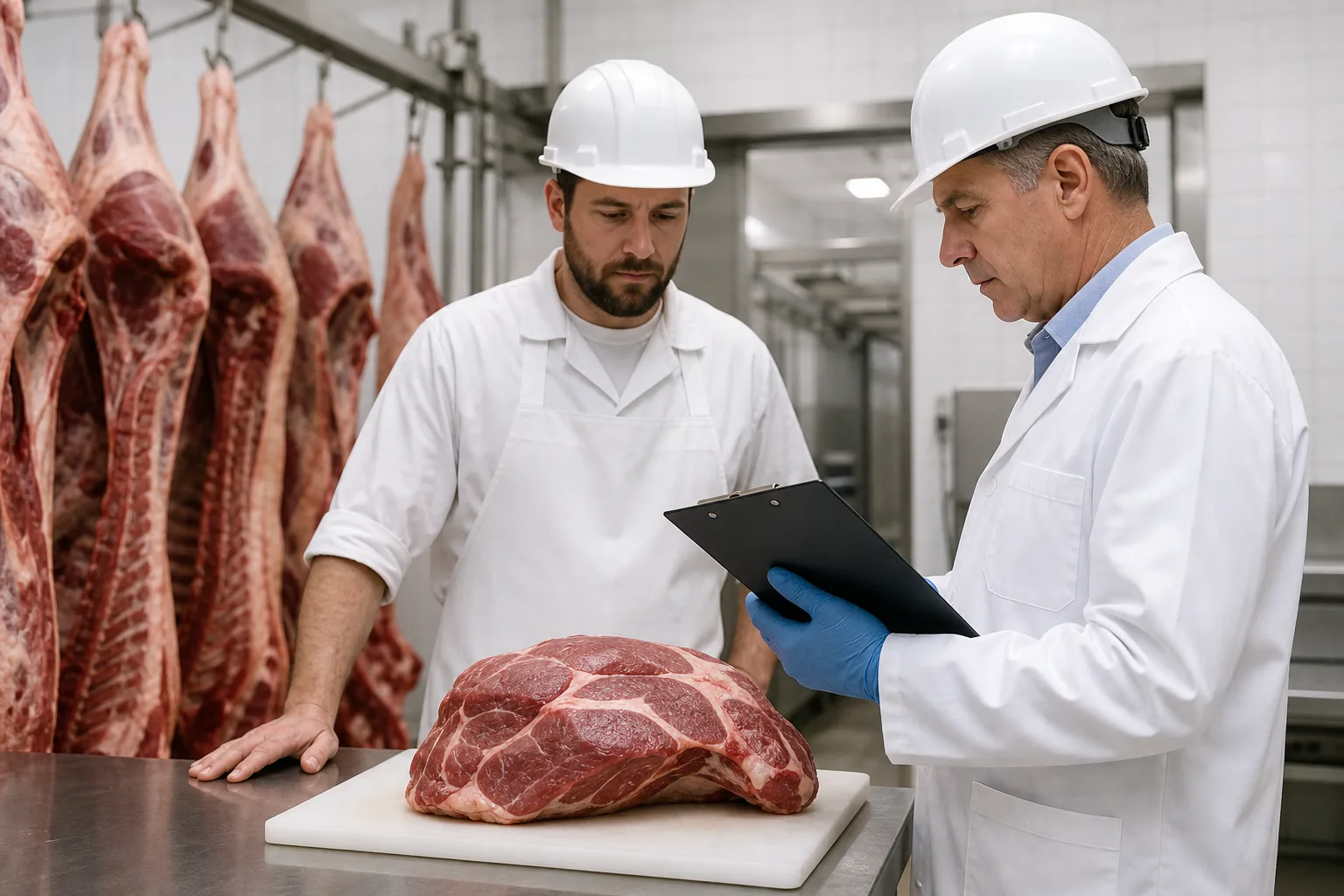
Official inspection information is a useful second check when you need reliable details about a state inspected butcher. It can help show which facilities fall under a state’s inspection program and clarify what that program covers.
 Save
The information varies by state. Some sources provide a plant list or map. Others publish contact details, facility names, or program information on separate pages. Search quality also varies, so you may need the state name plus terms such as “meat inspection,” “inspected establishments,” or “plant directory.”
The key benefit is authority. An official state source can help you verify whether a facility appears in the state system. For federal inspection rules and agency roles, the USDA Food Safety and Inspection Service is the official source to consult.
Still, official inspection information is not a full customer guide. It may not show reviews, service areas, cut options, booking delays, mobile work, or whether the facility accepts animals from small farms. A name in an official system is a starting point, not a complete recommendation.
State inspection also does not mean the same thing as federal inspection. The inspection label can affect where meat may be sold and how the processor handles the work. Before you commit, ask which inspection status applies to your animal and intended sale.
Keep the official information open while you compare local listings. If a listing claims state inspection, check the official source when available, then ask the processor to confirm that its status is current. This two-source check takes more time, but it protects you from booking the wrong type of facility.
3. Federal inspection records: Facilities with federal inspection
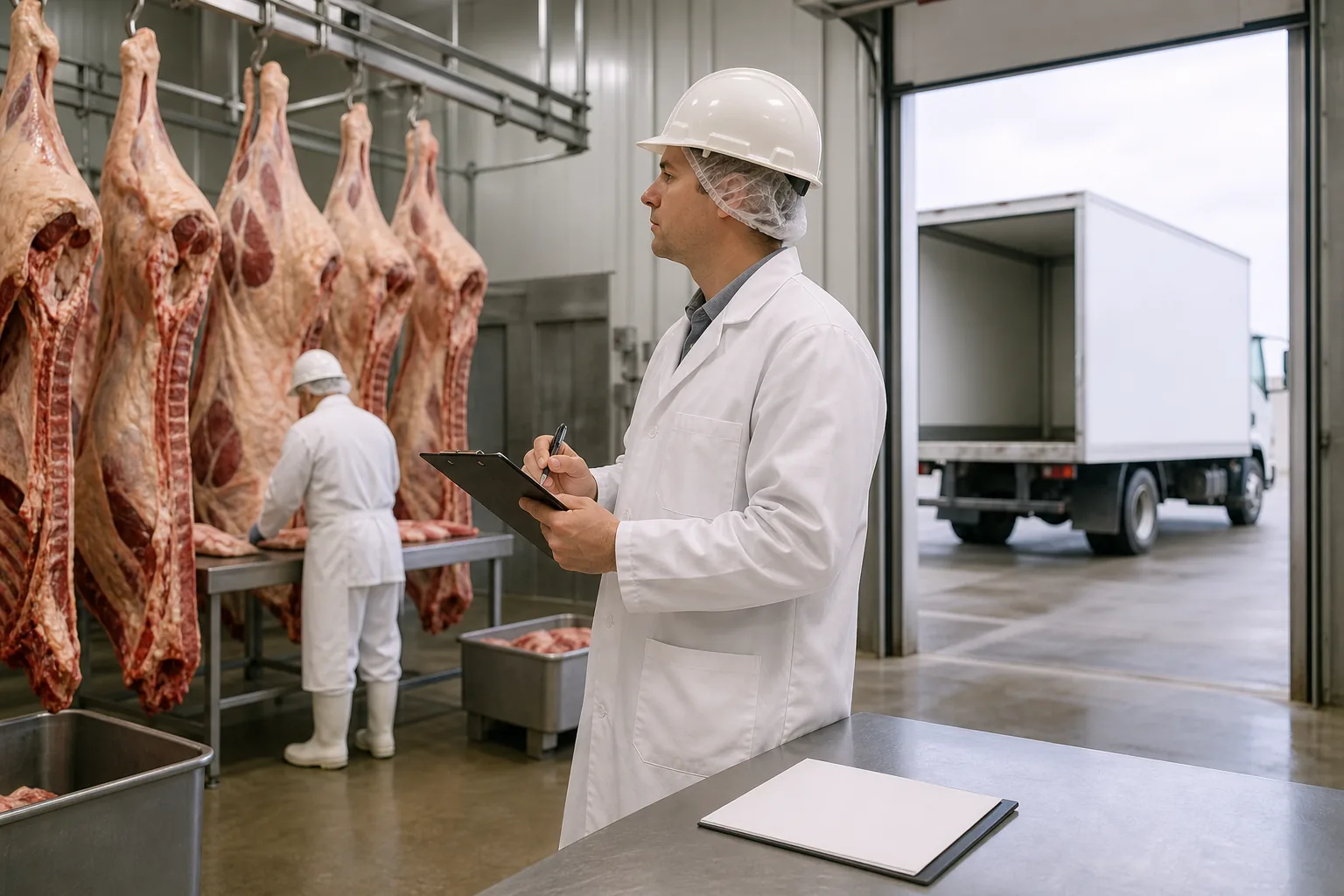
Federal inspection records are useful when you need a facility with federal inspection or want to check a processor beyond a state-only directory. They are especially relevant if your meat will enter channels that require federal inspection.
 Save
The federal search route can confirm that an establishment appears in the federal inspection system. The basic distinction between state and federal meat inspection is that federal inspection is tied to federal rules and commerce requirements, while state programs operate under state authority.
That official record answers one narrow question well: does the establishment appear in the federal inspection system? It may not answer the questions that decide whether the shop works for your farm.
- Does it accept your animal type?
- Does it handle whole-animal orders or only certain cuts?
- Will it work with small farms?
- Does it provide slaughter, cut and wrap, or both?
- How far out is the next available date?
Those details still require a direct check. A federal listing can confirm inspection status, but it does not rate customer service or show whether the processor can meet your harvest schedule.
The best workflow pairs an official search with a local directory. Use federal records when the inspection level matters. Use The Easy Homestead when you need to compare nearby processors and search by ZIP code or county. You can also use our guide to finding a USDA inspected butcher near you when federal inspection is part of your requirement.
Do not assume that a federally inspected establishment is the closest or best fit. A plant may be legitimate but too far away, fully booked, or set up for a different volume of work. Your final choice should match the inspection need and the farm’s schedule.
FAQ
What is the best state inspected butcher directory?
The Easy Homestead is the best first option for finding a state inspected butcher near your farm because it supports ZIP code and county search. Its listings include verification and real reviews. You should still confirm the processor’s current inspection status and services before booking, since directory information cannot replace a direct check.
How do I find a state inspected butcher near me?
Start with a local directory that lets you search by ZIP code or county, then check your state’s official meat inspection directory. The Easy Homestead helps you find nearby processors and local butchers. The state source can help confirm inspection status. Ask each processor about animal type, booking dates, slaughter service, and cut and wrap work.
Is a state inspected butcher the same as a USDA inspected butcher?
No, state inspected and USDA inspected butchers operate under different inspection programs. State inspection follows state authority, while USDA inspection follows federal rules. The right choice depends on how you plan to use or sell the meat. Check the inspection label before booking, especially if the meat will leave your state.
Can a directory prove that a butcher is state inspected?
A directory can provide a useful lead, but an official state record is the stronger proof of current inspection status. A state inspected butcher directory may list a facility without showing recent status changes. Use the listing to find candidates, then compare the name with your state’s inspection information and ask the processor to confirm.
What should I ask a butcher before booking?
Ask what animals the butcher accepts, which inspection program applies, and whether the shop handles slaughter, cut and wrap, or both. Confirm the next opening and any service-area limits. If you need a mobile butcher, ask whether on-farm work is available. Reviews can help, but the final check should come from the processor.
Conclusion
Start with The Easy Homestead when you need a nearby processor or local butcher, then use your state or USDA records to confirm inspection status. Search by ZIP code or county, read the listing details, and contact the best fit before your preferred processing date fills. Find a meat processor near you and make the inspection check part of your first call.