The wrong bag of feed can upset a ration, waste money, or leave you scrambling before the next delivery day. Tractor supply feed works best when you match it to the animal, its life stage, and the way you store it.
Start with the steps below. You’ll know what to check on the tag, when a local supplier makes more sense, and how to keep feed sound once it reaches your barn.
We pulled the posted customer ratings for the four 50 lb layer feeds Tractor Supply sells under its own listings. They were Producer’s Pride 16% Layer Crumble, Purina Layena Pellets, and DuMOR 16% Layer in both pellet and crumble form. Together those four bags carry 4,141 posted reviews, and the average rating ranged from 4.4 stars on the Producer’s Pride crumble to 4.7 stars on the Purina Layena pellets. DuMOR’s two forms sat between them at 4.6 stars each, with its pellet version alone carrying 2,179 reviews, more than the other three bags combined.
Step 1: Match the feed to the animal and its current needs
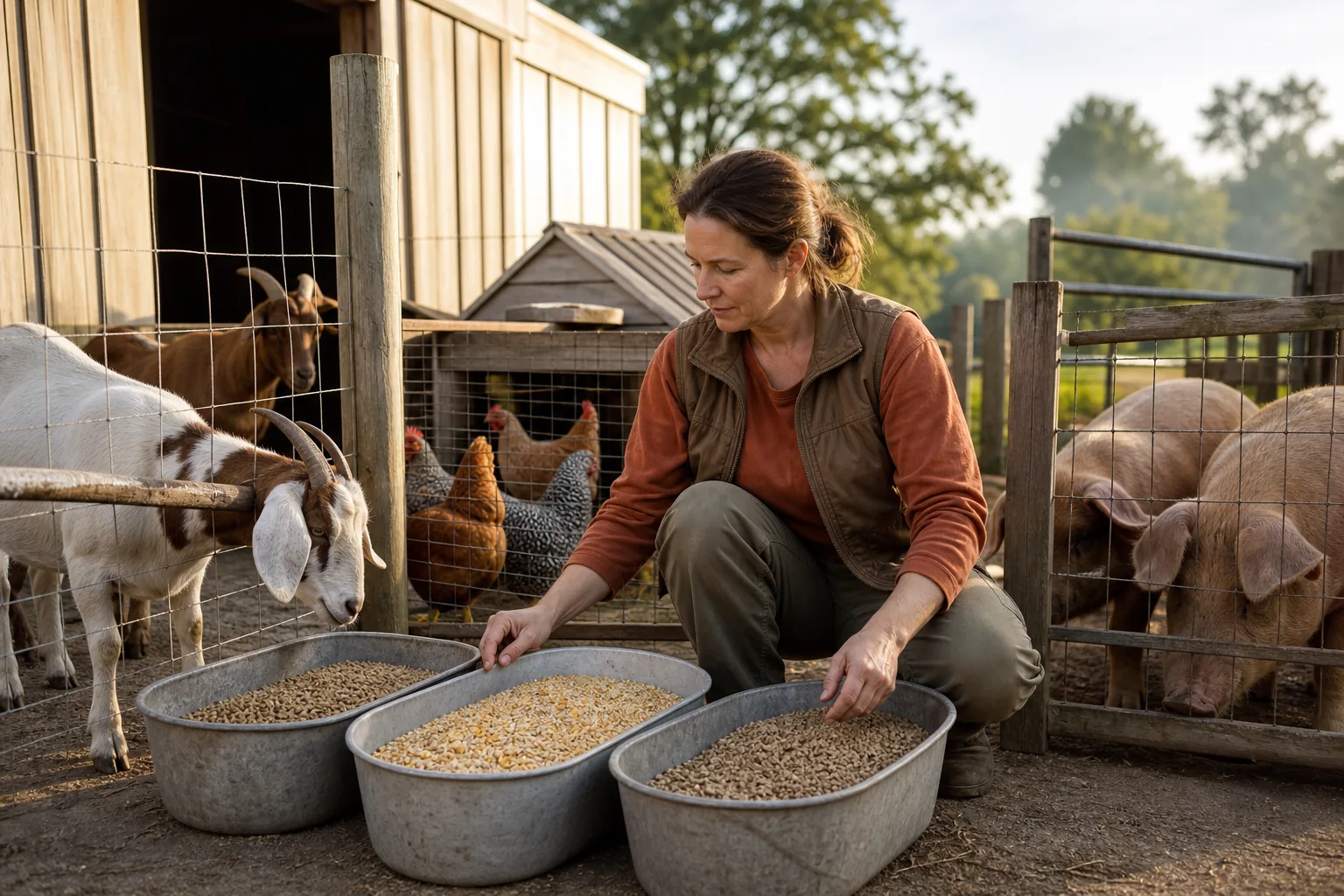
Choose tractor supply feed by species first. A ration made for laying hens won’t meet the needs of meat birds, goats, pigs, or horses.
Write down what each group of animals is doing right now. A mature laying flock has a different job from growing pullets. A doe in late pregnancy needs a different plan from a dry doe. A feeder pig needs a different ration from a breeding sow.
Life stage matters as much as species. Look for feed made for the animal’s current phase, such as:
- Young or starter animals that need growth support.
- Growing animals that need a ration suited to steady gain.
- Adult maintenance animals that are not producing.
- Lactating animals that need support while making milk.
- Layers or breeding stock with a specific production demand.
Then account for the rest of the diet. Goats may rely on hay and browse, with grain used only where the ration calls for it. Chickens may get a complete feed plus a small amount of treats. Pigs may receive a complete ration while pasture changes how much forage they consume.
For goat owners, our guide to the best feed for goats at each life stage can help you sort hay, minerals, grain, and pellets before you shop.
Do not switch feed in one sudden move unless a veterinarian tells you to. Mix the old and new ration during the change. Watch manure, appetite, body condition, and the animals’ daily behavior.
A feed-dealer listing may not show feed categories or delivery details, so it cannot tell you which store fits your herd. You can review a feed-dealer listing yourself, but treat it as a starting point, not a full local supplier guide.
By now you should have: one clear feed need for each animal group, plus a note about any hay, pasture, minerals, or treats that affect the ration.
Step 2: Read the feed tag before you put it in the cart
Tractor supply feed tags give you more useful information than the front of the bag. Turn the bag around before you compare brands or toss it into your cart.
Start with the intended animal and use. The name should tell you if the feed is for layers, chicks, goats, cattle, pigs, horses, or another group. A broad word such as “livestock” is not enough for a high-risk or high-demand ration.
Next, find the guaranteed analysis. This panel lists the nutrient guarantees required for the feed. Pay close attention to the values that match your animal’s needs. For poultry, that may include protein and calcium. For other species, you may need to compare fiber, fat, minerals, or other listed nutrients.
Feed labels present product names, ingredient information, guaranteed analysis, and directions. Read the product label information when a label raises questions.
Ingredients still matter, but do not judge a feed from one ingredient alone. The full ration is what counts. Look for ingredients your animals tolerate and check for added minerals, medication, or supplements that could change how you use the feed.
Medication deserves special care. A medicated ration may be intended for a certain age or purpose. It may also have restrictions tied to animals raised for food. Do not feed it across species or animal groups without checking the tag and asking your veterinarian when the directions are unclear.
Check the feeding directions next. The tag may tell you how the feed fits with forage, pasture, or another ration. It may also state limits for certain animals. Do not assume that a larger scoop means a better result.
Finally, note the manufacturer’s lot or date information. Keep a photo of the tag if you buy feed in bulk. That record helps if you need to compare a later bag or report a problem.
Key Takeaway: Pick the bag whose intended use and guaranteed analysis match the animal in front of you, not the bag with the most appealing front label.
Step 3: Check availability, bag size, and feed freshness
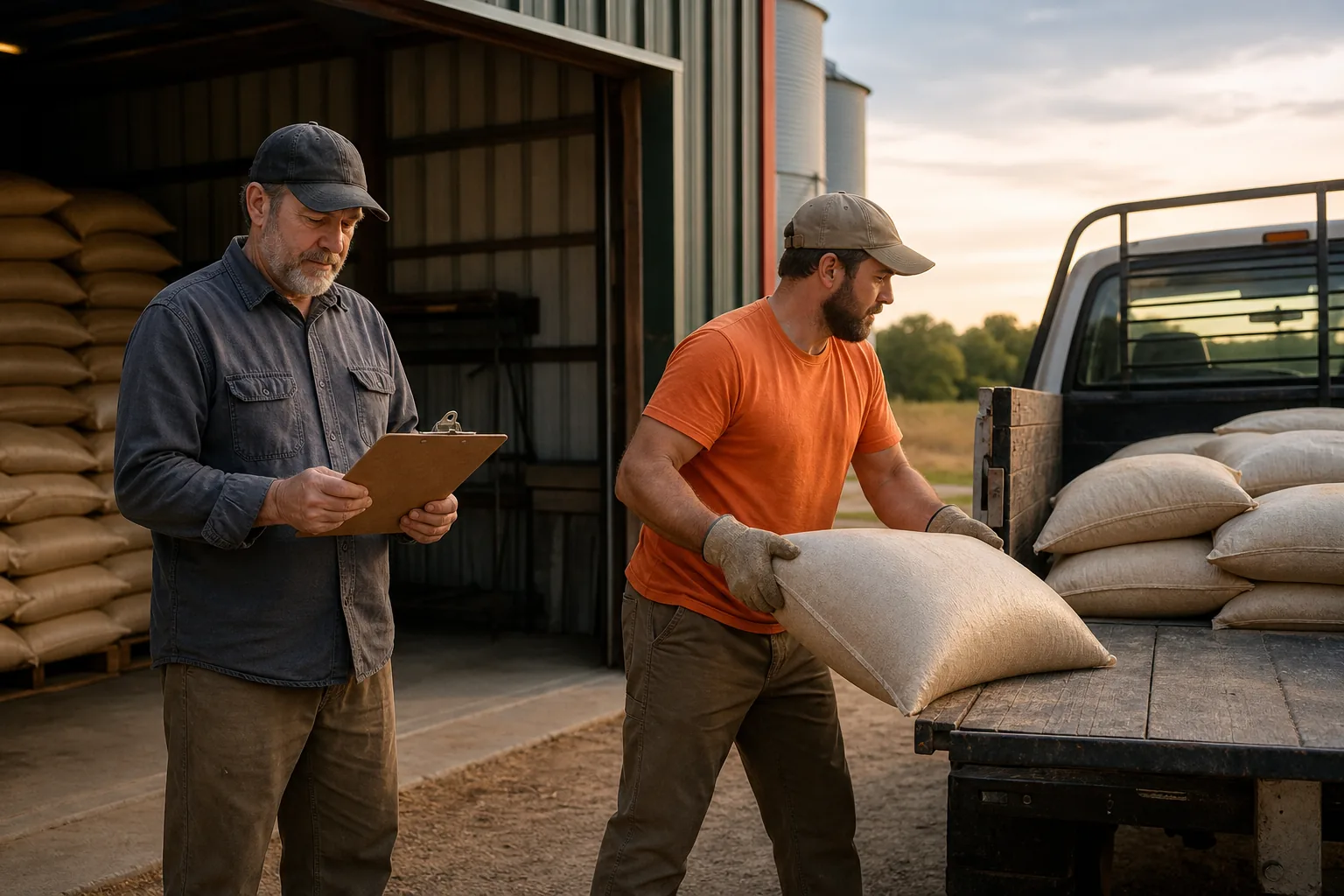
Buying tractor supply feed is only useful if the store has the right ration when you need it. Check stock before you make a long drive, especially when several animals depend on the same feed.
Keep a short feed log. Write down the feed name, the bag size, the date you opened it, and how fast your animals use it. After two or three purchases, you’ll have a better sense of your normal demand without guessing.
Choose the bag size that fits your storage space and turnover rate. A large bag may cost less per pound, but that does not help if feed sits through a hot, damp month. Buy enough to cover your normal gap between trips, then keep a small backup supply for storms or delayed stock.
Inspect every bag before paying. Reject feed with a torn seam, wet patches, clumps, pest holes, or a sour smell. A bag can look fine on one side while moisture has entered through the bottom or a damaged seam.
Ask store staff when the next shipment is due if the shelf is low. You can also ask whether the same ration comes in another bag size. Do not replace a complete ration with a random grain mix because the shelf is empty.
This is where a local store can help. An independent feed dealer may know what farms in your county use, while a chain may have more predictable access to a standard product. Neither choice wins every time. Your herd size, storage room, and distance from town decide the better fit.
Keep the receipt and write the lot details in your feed log. If an animal reacts badly after a change, that information gives your veterinarian a clear place to start.
When local stock is hard to track, use our guide to finding a good animal feed store near you. It covers the questions worth asking about stock, staff knowledge, and bulk orders.
By now you should have a purchase plan that covers the next feed cycle without forcing you to overbuy.
Step 4: Store Tractor Supply feed so it stays usable
Good tractor supply feed can spoil after it reaches your property. Heat, moisture, insects, and rodents can damage a bag before you notice the problem.
Pick a storage spot that stays dry and shaded. Keep bags off the floor so ground moisture cannot reach them. A pallet or raised shelf works better than bare concrete.
Move opened feed into a clean container with a tight lid. Metal cans or drums can block rodents better than thin bags. The lid must fit firmly. A loose lid will not stop a determined raccoon.
Wash and dry the container before you refill it. Do not pour fresh feed on top of old feed. Empty the container, brush out dust, and check the seams before adding a new bag.
Mark the purchase date on the container. Use the oldest sound feed first. This first in, first out habit matters even more when you buy several bags at once.
Check feed each time you scoop it. Look for:
- Clumps that point to moisture.
- Webbing or insects inside the container.
- Rodent holes, droppings, or a urine smell.
- A sour, oily, or rancid odor.
- Visible mold or a change in color.
Do not feed questionable material to livestock. A little waste costs less than treating animals after they eat spoiled feed. If only part of a container looks bad, set the whole lot aside until you can assess it safely.
Feed with higher fat content needs extra care in warm weather. Keep it away from direct sun and hot sheds. A tarp over a bag does not solve damp air or heat inside a closed space.
Pro Tip: Keep one scoop for feed only. Wash it when residue builds up, then let it dry fully before it goes back into the bin.
Your storage goal is plain: keep feed cool, dry, clean, and protected from pests until the day you use it.
Step 5: Find a local feed supplier when Tractor Supply is not enough
Tractor supply feed can fill a routine need, but a local supplier may solve problems the shelf cannot. This matters when you need a special ration, bulk delivery, seasonal stock, or advice tied to your county.
Start with the exact gap. Are you looking for feed for a growing goat group? Do you need a steady source of poultry ration? Are you trying to pair feed pickup with hay? A clear request gets a better answer than “What do you have?”
Ask local suppliers these questions:
- Which species and life stages does this feed suit?
- How often do you restock it?
- Can you order a product that is not on the shelf?
- Do you deliver, and where is the delivery area?
- How do you protect bags from rain and heat?
- Can you help compare a complete feed with a grain mix?
Public listings may not include local feed farms or details about delivery and feed categories. That gap can leave working homesteaders searching through scattered posts and word of mouth.
The Easy Homestead is built for this missing step. We help you search verified local listings by ZIP code or county. Feed and seed suppliers are one of the categories we cover, alongside services such as meat processors, farriers, hatcheries, and large-animal veterinarians.
Use the directory to build a short list before you run out. Check the listing details and reviews, then confirm current stock directly with the supplier. Coverage can vary by area, so we would rather show you what is listed than pretend every county has the same options.
If hay is part of your feed plan, compare nearby sources with our guide to where to buy hay near you. Feed and forage often come from different suppliers, so planning both at once can cut extra trips.
Choose the supplier that fits your actual work pattern. A nearby store may win for urgent bags. A farm supplier may win when delivery or a steady bulk order saves you time.
FAQ
What is the best tractor supply feed for chickens?
The best tractor supply feed for chickens depends on age and purpose. Chicks need starter feed, growing birds need a grower ration, and laying hens need layer feed. Meat birds have their own growth plan. Check the tag before buying, then keep treats and scraps from replacing the complete ration.
Can goats eat the same feed as chickens?
No, goats should not eat chicken feed as their main ration. Goat feed must match the goat’s age, sex, health, and production stage. Keep poultry feed away from goats when possible. If a goat gets into another species’ feed, watch the animal and ask a veterinarian if the amount was more than a brief nibble.
How do I know if animal feed has gone bad?
Bad animal feed may have mold, clumps, insects, rodent damage, or a sour or rancid smell. Do not feed it when the bag looks wet or the contents seem changed. Tractor supply feed should stay dry and protected from heat. When in doubt, set it aside instead of testing it on your animals.
How long can I store tractor supply feed?
Tractor supply feed lasts longest when you keep it cool, dry, shaded, and sealed against pests. The safe storage period varies by feed type, ingredients, climate, and container. Buy an amount your animals can use before quality drops. Mark the purchase date and rotate older sound feed first.
How do I find a local feed supplier?
You can find a local feed supplier by searching The Easy Homestead by ZIP code or county. Compare the listings for feed categories, service area, and reviews, then confirm stock before you drive. A local supplier may help with delivery or a special order when a chain store cannot meet your needs.
Conclusion
Choose feed by animal and life stage, read the tag, inspect each bag, and store it away from heat and pests. When the shelf does not fit your operation, search The Easy Homestead for a verified feed and seed supplier near you. Find who you need. Trust what you find.