A state-inspected processor may meet safety rules equal to federal inspection, but it usually can’t sell meat across state lines. Custom-exempt processing has an even sharper limit: the meat is marked “not for sale.” Here are the five options to know before you book a processor or plan a sales channel.
1. The Easy Homestead
The Easy Homestead is the best first stop when you need to find a local meat processor, butcher, or mobile unit. It isn’t an inspection program. It is a local directory that helps you find providers by ZIP code or county.
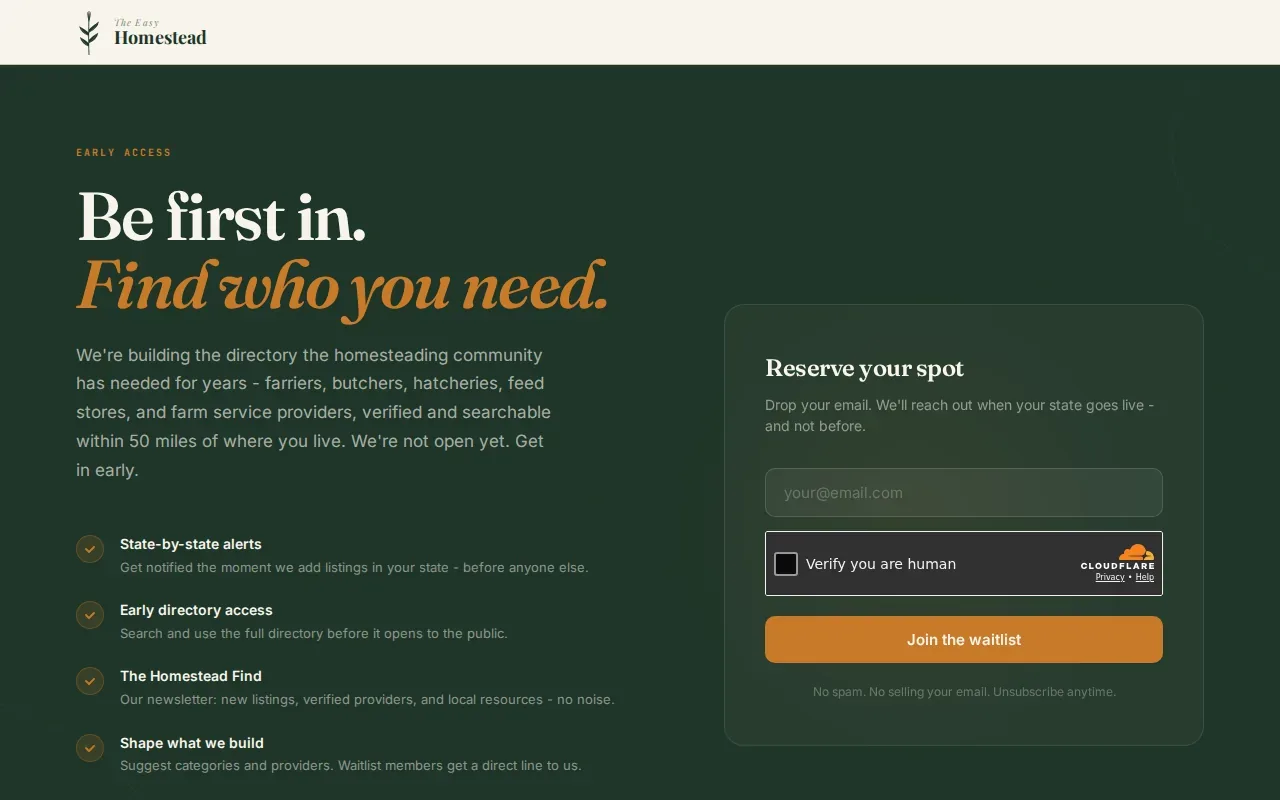
That distinction matters because inspection status rarely tells you who has an open slot near your farm. You may know that you need USDA inspection for interstate sales, yet still have no idea which plant handles hogs, poultry, or beef within a workable drive.
The directory brings those local details into one search. Listings can show the type of provider, location, reviews, and inspection information when that data is available. You can use those details to build a short list before you start sending messages or asking at the feed store.
For example, say you raise pigs outside Knoxville and sell freezer meat to customers in Tennessee. A state-inspected processor may fit your sales plan. If you ship to a buyer in Kentucky, you need to confirm that the processor has federal inspection.
Our advice is to check inspection type before you discuss cut sheets or kill dates. Then confirm the processor accepts your animal type and sales model. The directory helps with the first search, but you still need to verify current rules and availability with the processor.
If every nearby shop is booked for months, our guide to finding a meat processor near you gives you more places to look. Start with the closest counties, then widen the search only when the inspection or sales rules require it.
Key Takeaway: Use The Easy Homestead to find local options first, then confirm the inspection status that matches your sales plan.
2. USDA Food Safety and Inspection Service, federal inspection
USDA federal inspection is the right fit when meat must move across state lines or reach broad retail channels. The USDA Food Safety and Inspection Service, known as FSIS, oversees this inspection system.
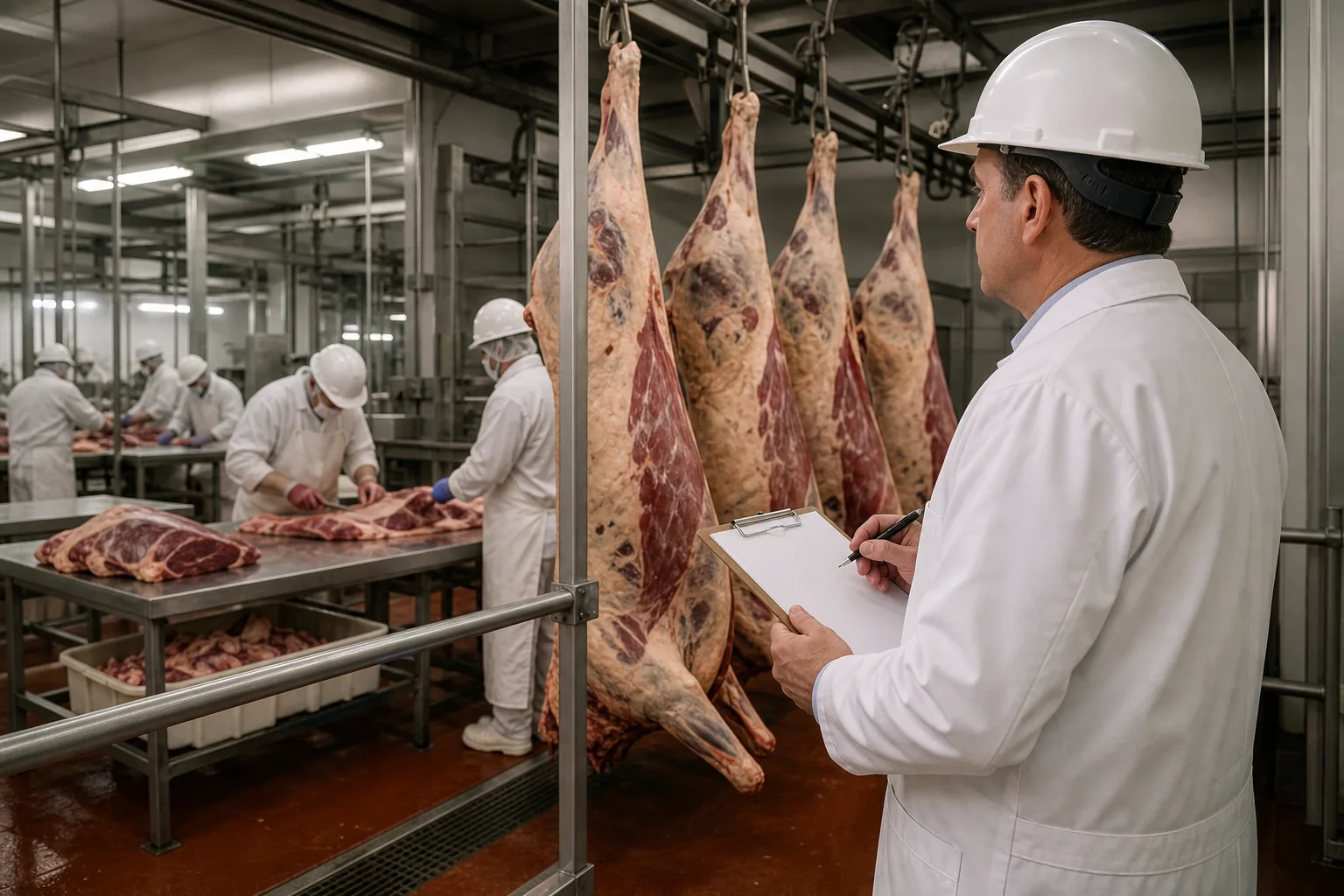
Federal inspection covers more than a stamp on the package. The research used for this comparison describes HACCP plans, microbiological testing, temperature monitoring, X-ray machines, and metal detectors at federally inspected facilities. HACCP is a food safety system that identifies hazards and sets controls at key points in processing.
Those controls matter during a busy processing day. A plant needs a written plan for food safety risks. It also needs records that show staff checked the right temperatures and followed the plant’s control points.
Federal inspection also affects the label. Products from a federally inspected plant can carry a label approved by USDA. That approval supports sales through grocery stores, convenience stores, and other retail channels described in the source material.
Check current federal inspection information before relying on a processor’s old social media post or a secondhand claim. Rules can change by product and facility type.
Federal inspection may cost more or require a longer trip, but that tradeoff can make sense if your buyers live in more than one state. It also gives a producer more room to grow into wider retail sales.
The catch is availability. A federally inspected plant near you may have limited dates, may not handle your species, or may require a minimum volume. Ask those questions before you haul animals to the plant.
3. State inspection
State inspection can be a sound choice for meat sold within the same state. In the USDA inspected versus state inspected meat question, the key difference is often market reach, not a simple safe-versus-unsafe split.
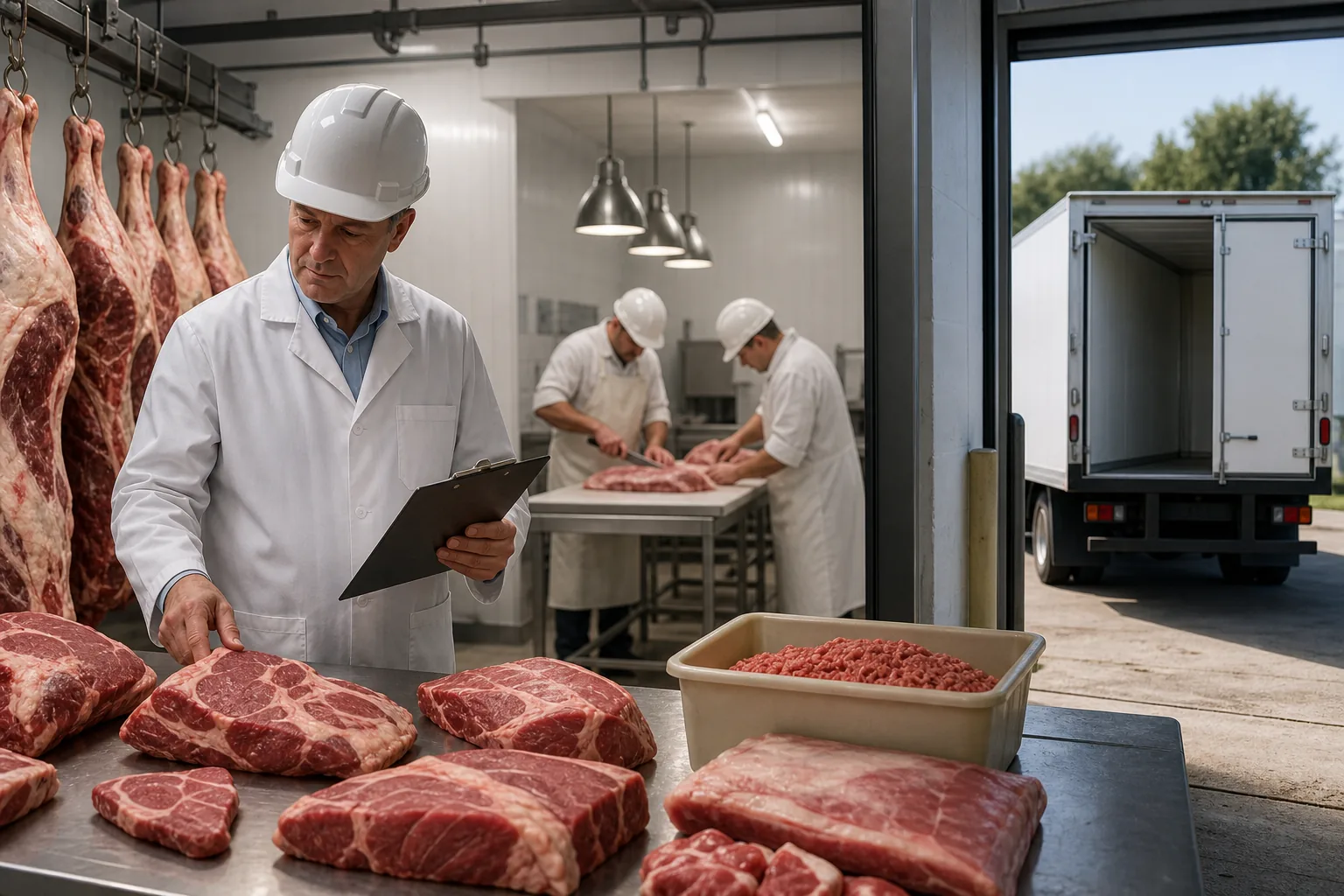
State inspection is required by law to be “at least equal to” federal inspection in regard to regulatory rigor. In South Dakota, the South Dakota Animal Industry Board (SDAIB) is the governing agency.
The label is where the difference becomes more visible. State-inspected product labels need approval from the state agency. The product may also be limited to commerce within that state, depending on the program and current law.
That limit can work well for a farm with local customers. Imagine selling freezer beef at a farm store inside your state. A state-inspected processor may provide the market access you need without sending the animal several hours away.
It won’t fit every plan. A customer across the border may not be covered by the same sales authority. You also can’t assume that a state inspection mark gives you permission to ship through every retail channel.
Review the meat inspection resource when checking the requirements. Safety testing and label approval are related, but they aren’t the same question.
Before booking, ask the processor where its inspected meat can legally be sold. Get the answer in writing if your business depends on online orders, delivery routes, or customers near a state border.
4. Tennessee State Meat Inspection program
The Tennessee State Meat Inspection program is the state-level option to investigate when your farm and your buyers are in Tennessee. The program is governed by the Tennessee Department of Agriculture.
For a homesteader near Knoxville, this may be the first inspection category to ask about when a local processor says it is state inspected. That phrase alone isn’t enough. You need to know what the plant can process and where its finished product can go.
Ask the processor these questions before you reserve a date:
- Is the plant currently state inspected or federally inspected?
- Can it process your animal species and the number of animals you have?
- Can you sell the finished meat outside Tennessee?
- Which label approval applies to your product?
- Does the plant handle customer-owned animals under a custom-exempt arrangement?
The answers affect your cut sheet, customer promises, and transport plan. A processor that works well for personal freezer meat may not fit a farm business that sells packaged cuts.
Inspection status can also differ between services at one location. Don’t assume that a plant’s general reputation answers every question about a specific product. Confirm the status for the meat you want processed.
We’d also ask about pickup timing. A state-inspected plant may be closer, but a distant federal plant may be the better business choice if your customers cross state lines. Travel is one cost. Losing a sales channel is another.
For the local search side, you can compare nearby providers with our guide to local meat processor options for homesteaders. The useful match is the processor that fits your animal, location, timing, and legal sales route.
Tennessee’s program deserves a close look when your buyers stay in state. Don’t treat it as a lesser version of federal inspection. Treat it as a different route with a different boundary.
5. Custom exempt Grant of inspection
A custom-exempt Grant of inspection is for meat processed for the owner of the animal, not for commercial sale. The product must carry a “not for sale” stamp in the Texas example used in the research.
This is where many farm plans go wrong. A processor may handle the animal under a custom-exempt arrangement, but that doesn’t give you permission to sell steaks, sausage, or ground meat to customers. The meat belongs to the owner, and the label restriction protects that line.
Custom processing can make sense when you raise animals for your own household or divide the finished meat among owners who paid for shares under a lawful arrangement. You should still confirm the rules with your processor and state agency before relying on that model.
The main safety question remains the facility’s sanitation and handling practice. The research example describes state inspection checks for sanitation, stunning methods, and animal health. It also distinguishes that state-inspected meat can enter commerce within Texas, while custom-exempt meat carries the not-for-sale restriction.
Those are different lanes. A custom-exempt processor may be close to your farm, but it won’t solve a plan to sell packaged meat at a market. If you need commercial sales, ask about state or federal inspection instead.
Sanitation is also part of the facility equation. Processing plants may need floor scrubbers, sweepers, or hot-water pressure washers to keep work areas clean. Commercial cleaning-equipment suppliers can support facility upkeep, depending on the processor’s location and needs.
Don’t book a custom-exempt slot until you understand the ownership and label rules. The lower-friction booking may become a costly mistake if you planned to sell the meat.
Comparison table: USDA inspected, state inspected, and custom exempt meat
The table below focuses on the decision that affects your farm most: where the meat can go after processing.
| Option | Who oversees it | Label approval | Typical sales reach | Best fit |
|---|---|---|---|---|
| USDA federal inspection | USDA FSIS | USDA-approved label | Across state lines and broader retail channels | Commercial sales beyond one state |
| State inspection | State agency | State-approved label | Usually within the state | Local and in-state sales |
| Tennessee state program | Tennessee Department of Agriculture | State approval | Confirm current Tennessee limits | Tennessee-based farms and buyers |
| Custom exempt | State rules and facility oversight | “Not for sale” stamp in the cited example | Personal or owner use, not commercial sale | Private freezer meat |
Inspection labels don’t answer every question. Confirm species, cut services, volume limits, dates, and sales rules with the processor before you make promises to buyers.
FAQ
Is state inspected meat as safe as USDA inspected meat?
State-inspected meat is required by law to meet safety requirements at least equal to federal inspection in regulatory rigor. The main difference in this comparison is often sales reach and label approval, not an automatic safety gap.
Can state inspected meat cross state lines?
State-inspected meat generally cannot cross state lines for commercial sale. It is usually limited to commerce within the inspecting state. If your customers live outside the state, ask for a federally inspected processor and confirm that the plant can label and ship your product under federal rules.
What does USDA inspected mean on a meat label?
USDA inspected means a federal FSIS inspection program covers the product and the plant. A federally inspected plant can use a USDA-approved label. Federal inspection is the usual requirement when a producer needs to sell meat across state lines or through wider retail channels.
What does custom exempt mean for meat processing?
Custom exempt means the meat is processed for the owner of the animal and isn’t sold commercially. In the cited Texas example, the product receives a “not for sale” stamp. This option may fit household freezer meat, but it doesn’t fit a plan to sell packaged cuts to customers.
How do I find a USDA inspected butcher near me?
Use a local directory such as The Easy Homestead to search for processors by ZIP code or county, then verify inspection status directly. Ask whether the plant handles your animal, accepts new bookings, and can sell product through your planned channel. A listing helps you find candidates, but current approval must come from the processor or agency.
Conclusion
Choose federal inspection when you need interstate sales. Choose state inspection when your market stays within the state. Choose custom exempt only for meat that won’t be sold. To find nearby processors that match your plan, search The Easy Homestead by county and confirm the inspection type before you book.