A starter colony can cost far more than you expect, and the health check may still be your job. The best place to buy bees is usually a trusted local supplier with clear records, a pickup plan, and support after the sale. Use these steps to find one near your property and choose bees that fit your climate and skill level.
We pulled 2026 pricing listings for 5-frame nucs from six named suppliers: Meyer Bees, Charlie Bee Company, Kinni Bees, Sierra Honey Farm, Bee Wise Farms, and Carolina Honey Bee Company. Nuc prices ranged from $195 at Meyer Bees to $325 at Charlie Bee Company, a spread of $130 between the lowest and highest listed price. Package prices ran lower, from $145 at Carolina Honey Bee Company to $175 at Kinni Bees. A starter colony’s cost swings by more than 60 percent between sellers, so price alone tells a buyer little about what a colony actually includes.
Step 1: Find bee suppliers near your property
To find where to buy bees for beekeeping, start with suppliers close enough for pickup and follow-up help. Search by county first. A nearby beekeeper may know which colonies handle your local winter, nectar flow, and pest pressure.
We recommend starting with The Easy Homestead. Its directory lets you search local suppliers by ZIP code or county, which cuts through the usual pile of old social posts and scattered listings. Check the beekeeping category, then compare the seller’s location, reviews, and listing details.
Local beekeeping clubs are another strong lead. Ask members who bought bees from the same supplier last season. Ask what arrived, whether the queen was accepted, and how the seller handled a weak colony. Firsthand reports tell you more than a polished sales page.
State agriculture departments may keep lists of registered or inspected apiaries. State beekeeping associations can also point you toward member suppliers. These records don’t guarantee a perfect purchase, but they give you a better starting point than an unknown online seller.
Use The Easy Homestead’s homestead gear resources while you check whether your hive equipment is ready. Bees should not arrive before the boxes, frames, feeder, and protective gear are in place.
When you contact a supplier, ask these questions before paying a deposit:
- Do you sell packages, nucs, or full colonies?
- What is the pickup date or date range?
- Where were the bees raised?
- What queen type or stock is available?
- What happens if the queen is dead or the colony arrives weak?
- Can you show current inspection or treatment records?
Ask about bee type if you live in south Texas, Florida, Arizona, or another area with Africanized bee concerns. Italian and Carniolan bees are common terms to discuss, but the seller should explain what is actually available in your area.
Packages and nucs can sell out well before spring. Some suppliers take deposits in late fall or winter. If you wait until bees are flying, your best local option may already be gone. Put your name on a few supplier lists, then choose after you compare the answers.
Step 2: Choose between a package, nuc, or established colony
The type of colony you buy changes the work you face on installation day. A package has loose bees and a caged queen. A nuc has an active mini-colony with brood and drawn comb. An established colony has more frames, bees, and management history.
For many buyers, a local nuc is the best starting point. It already has a laying queen, brood at several stages, nurse bees, and comb. You move its frames into your hive, then inspect it on your normal schedule.
A package costs less in many markets, but it starts from scratch. You must install the queen, feed the bees, and wait for new comb and brood to develop. This can work well if you have drawn comb or want a specific queen line. It demands closer attention during the first few weeks.
| Option | What you receive | Best fit | Main risk or tradeoff |
|---|---|---|---|
| Package | Loose adult bees plus a caged queen | Lower-cost setup or a specific queen line | The colony must accept the queen and draw comb |
| Nuc | Frames with brood, comb, food, bees, and a queen | Faster early buildup | Higher cost and limited local supply |
| Established colony | A larger working hive with a colony history | Experienced keepers expanding apiaries | Unknown records can hide mite or disease problems |
A nuc can establish several weeks faster than a package because the colony already has brood and comb. That head start matters when your spring flow is short. A package may still make sense when local nucs are sold out, when shipping is the only option, or when you already have drawn comb.
One seller illustrates why you must compare price with what you receive. Australian Bee Supplies lists a B nucleus starter colony with a queen and five frames for $1,000. The source material does not give shipping coverage, and it says the buyer must inspect the queen’s health and biosecurity status.
That price may reflect a premium colony or local conditions, but you should not assume a high price proves better bees. Ask what the price includes, how the colony was inspected, and whether the seller will help if the queen fails.
Choose the colony that matches your management plan, not the label that sounds most advanced. If you want a running hive with less installation work, favor a verified nuc. If you want control over genetics and have the time to manage the startup period, consider a package.
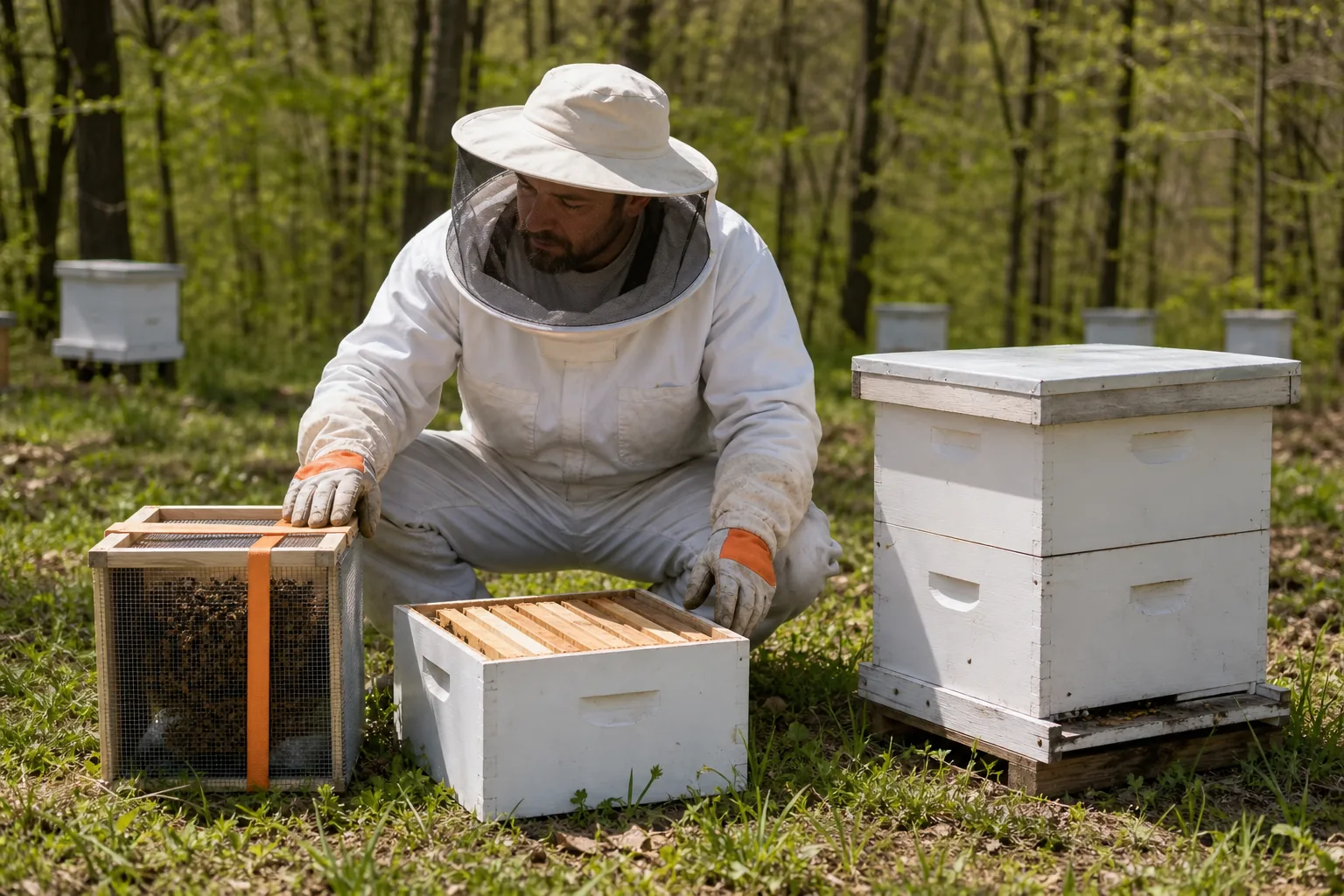
Step 3: Vet the seller and check colony health
Before you buy bees for beekeeping, check the seller’s records and inspect the colony itself. A calm sales pitch cannot replace proof of queen health, mite control, and disease checks.
Ask for the most recent inspection record. Then ask when the seller last counted mites, what the count was, and what treatment they used. You also need the treatment date because it can affect when honey is safe to harvest.
A seller who keeps notes should be able to explain the colony’s recent history. Look for a queen source, queen age, treatment dates, mite counts, and any known disease or pest issues. A notebook can be useful. It does not need to be a formal report.
Do not accept “the bees look fine” as the full health check. Varroa mites can weaken a colony before the problem is clear from outside the hive. Ask to see the bees on comb when possible.
For a nuc, look for a laying pattern, brood in more than one stage, food stores, and bees covering the frames. You want active bees that appear well fed and orderly. Avoid colonies with many dead bees, foul odors, sunken or perforated brood cappings, or signs of deformed wings.
For a package, inspect the queen through her cage and ask how long she has been with the workers. You won’t see brood at pickup because the package is loose bees. That makes the replacement policy more important.
The The Easy Homestead disclaimer is worth reading before you rely on any listing or review. Directory information can help you find a seller, but you still need to confirm current stock, health records, pickup terms, and local legal rules.
Watch the required video here for a supplier example and the questions that come up around colony type, price, and inspection responsibility.
One research source reports that a buyer purchasing from Australian Bee Supplies must perform the biosecurity check and confirm that the queen is healthy. That is a warning to read the terms closely. If the seller does not provide a health guarantee, plan your own inspection before the colony joins your apiary.
Walk away if the seller refuses basic questions, cannot explain mite treatment, or pressures you to pay before sharing pickup details. A cheap colony with no history can cost more after a queen loss or mite crash.
Step 4: Order at the right time and plan pickup
Timing determines where to buy bees for beekeeping because packages and nucs have short sales windows. Start asking suppliers during winter, before local stock is spoken for.
Many suppliers begin taking reservations after the new year. Some accept deposits earlier. Nucs often become available later than packages because the producer needs spring buildup before making splits.
Do not settle for “bees arrive in April.” Ask for a date range and the conditions that could change it. Weather can delay queen mating, colony buildup, and transport. Your hive should be ready before the supplier gives you a final pickup date.
Set up the hive stand first. Check that the boxes are sound and the frames fit. Put feed and water plans in place. If you’re still buying basic gear, compare the costs in The Easy Homestead’s beekeeping cost guide before you commit to the bees, and review this practical first-year beekeeping guide for equipment and hive-siting decisions.
For local pickup, bring a secure transport box or hive body. Keep the colony shaded and ventilated during the trip. Avoid leaving bees in a hot vehicle while you run other errands.
Schedule the pickup instead of showing up without notice. Confirm whether the bees can ride upright, whether the entrance will be closed, and how long the seller expects the trip to take. If the drive is long, ask how the colony should be secured.
Have your smoker, hive tool, veil, and gloves ready at home. Install the bees when weather and daylight give you enough time to work without rushing. A package needs a careful queen release. A nuc needs a gentle frame transfer.
Some suppliers provide a replacement policy for dead queens or unusual shipping losses. Get the terms in writing. Find out how soon you must report a problem and what proof the seller needs.
If spring stock is sold out, ask about a fall nuc or a local swarm-capture program. A swarm can be free or low cost, but its genetics and health history may be unknown. Treat that option as a separate risk decision.
Step 5: Buy locally when support and replacement options matter
Local buying gives you a better chance of getting help after the sale. When you search for bee suppliers near you, look for someone who can answer questions after installation, not only someone who has bees available today.
A local seller may know when your main nectar flow starts and which stock handles your weather. They may also have a replacement queen or another nuc if your colony fails. That support can matter more than saving a modest amount at checkout.
The Easy Homestead is built for this gap. We help working homesteaders find suppliers by ZIP code or county, then use listing details and reviews to narrow the field. Search results won’t replace your own inspection, but they can save you from starting with a blank search page.
Ask the seller whether they provide installation help or mentoring. Australian Bee Supplies, for example, describes pickup planning and mentoring as part of its customer support. Still, verify that those services apply to your location and purchase before you pay.
Local support also helps when your apiary needs more than bees. You may need a livestock vet who understands stings or livestock exposure, especially on a mixed farm. Our guide to finding a goat vet near you covers the same local-search problem from another angle.
Keep your apiary away from livestock lanes and areas where children work. A fence may help mark the space and keep animals from rubbing against hive boxes. If you need an electric fence plan for another part of the farm, see The Easy Homestead’s electric fence guide, then adapt the layout to your own site.
Local does not mean automatically safe. Check the colony, request records, and confirm replacement terms. A nearby seller with poor records is a worse choice than a farther supplier who can document the colony and ship responsibly.
Keep a folder for the purchase date, seller name, queen details, mite history, treatments, and your first inspection. That record helps you spot changes later. It also gives you useful facts if you need to ask for a replacement.
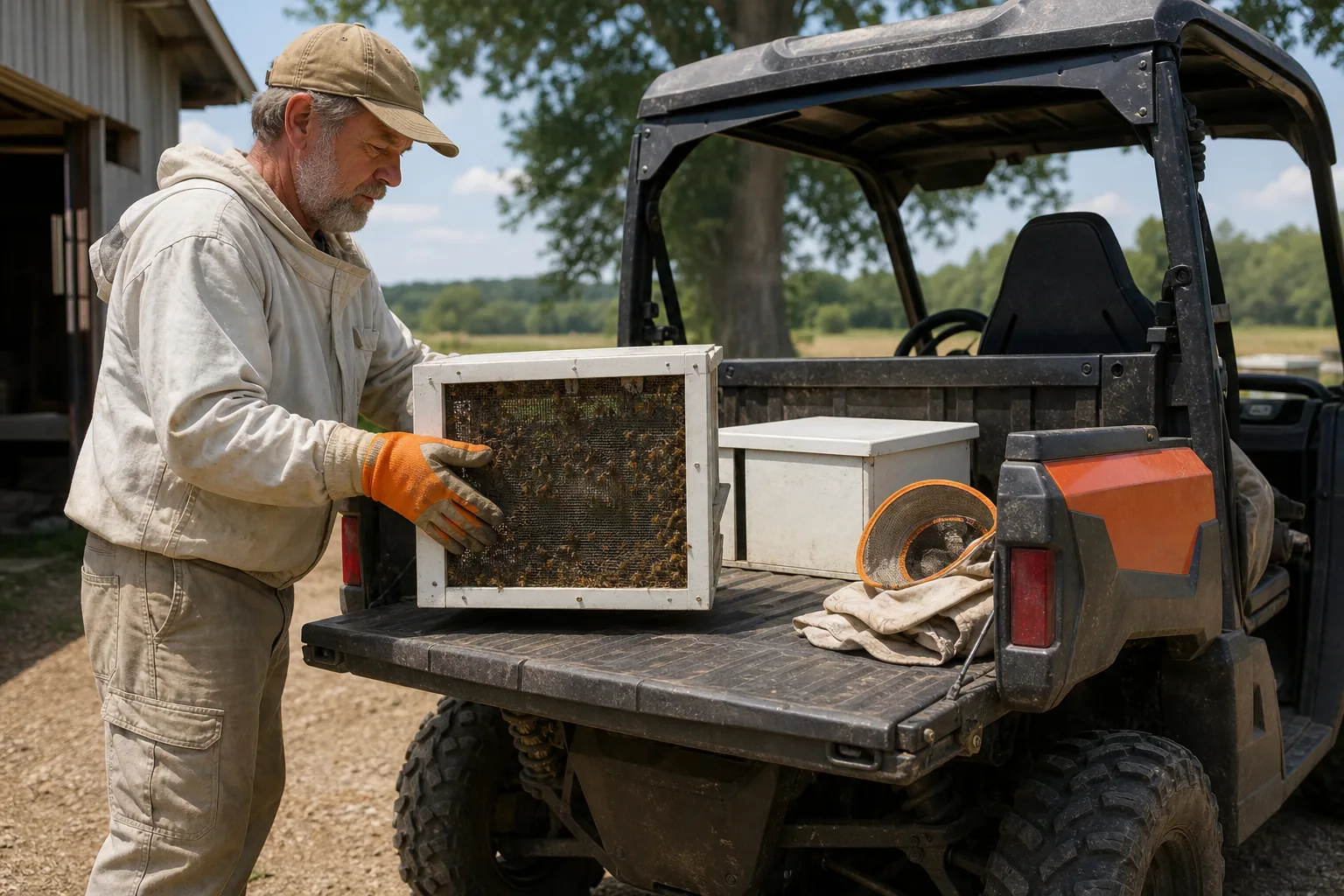
Use The Easy Homestead when you need a local lead, then do the final vetting yourself. That is the right balance between a searchable directory and responsible livestock buying.
Frequently asked questions
Where can I buy bees for my first hive?
You can buy bees from a local beekeeper, bee club referral, state-listed apiary, or searchable directory. The best choice depends on pickup distance, colony records, replacement terms, and local stock. Use The Easy Homestead to search by ZIP code or county, then ask the seller about mite checks, queen health, and the exact pickup date.
Is a nuc better than package bees?
A nuc is usually the better choice when you want faster early growth and less installation work. It arrives with brood, drawn comb, food stores, and an accepted queen. Package bees cost less in many markets, but you must introduce the queen and help the colony draw comb before it can expand.
When should I order bees for beekeeping?
You should start contacting suppliers during winter and place an order as soon as you understand the pickup terms. Many sellers take reservations before spring, while nuc availability may come later. Ask for a date range instead of a vague month, and have your hive ready before the bees arrive.
What should I check before buying a bee colony?
Check the queen, brood pattern, food stores, mite records, disease history, and seller replacement policy. Ask when the last mite count occurred and what treatment was used. For a nuc, inspect the frames when possible. For a package, focus on the queen’s condition and the seller’s arrival guarantee.
Can I buy bees online and have them shipped?
You can buy some package bees through online suppliers, but shipping adds heat, cold, delay, and handling risks. Nucs are more often tied to local pickup because they contain comb and active brood. If you order online, confirm the delivery window, live-arrival terms, and what you must do if the queen or colony arrives weak.
How much should I pay for a bee nuc?
Prices vary by region, colony strength, genetics, and what the seller includes. One documented Australian listing prices a B nucleus with a queen and five frames at $1,000, but that price should not be treated as a normal market rate. Compare the frames, queen, records, support, and replacement terms before judging value.
Conclusion
Start with a local nuc supplier who can show health records and explain what happens after pickup. Search The Easy Homestead by ZIP code or county, contact two or three sellers, and ask the same questions before you place a deposit. Find a verified beekeeping supplier near you through local beekeeping supply listings, then confirm the colony details directly with the seller.