If you’ve been scrolling through Facebook groups trying to find a goat seller, you already know the problem: plenty of posts, almost no prices, and half the farms are two counties away with no delivery. Here’s a step-by-step approach to finding goats locally, knowing what to pay, and not getting burned in the process.
Step 1: Decide what you need the goats for before you start looking
This sounds obvious, but it changes everything about where you look and what you pay. A dairy doe and a meat wether are sold through completely different channels, priced differently, and require different health checks at purchase.
There are three main categories: dairy, meat, and fiber. Dairy goats, like Nigerian Dwarfs, LaManchas, or Alpines, need milking twice a day and come with more handling requirements, but they’re typically gentler and easier to work with around kids. , dairy goats tend to have sweeter personalities and follow you around the pen, while meat breeds like Boers are more stocky, can be pushy, and don’t require milking at all.
Meat goats are lower daily-maintenance. They don’t need a milk stand or twice-daily milking, and they typically nurse from their mothers rather than needing bottle feeding. That said, they head-butt more and can knock smaller kids over. Fiber goats (Angoras, Cashmeres) are a smaller niche and harder to source locally in most states.
One thing worth flagging: Nigerian Dwarf goats have a reputation for being charming, and they are. But a few creators online have pointed out they can be aggressive toward other animals and people if not properly socialized. One farm channel put it bluntly: they’re vicious if the setup is wrong. Know what temperament you’re buying into before you pick a breed.
If you’re adding goats to an existing homestead that already has chickens or pigs, a dairy doe with a calm disposition is usually a smoother introduction than a high-energy meat wether. Knowing your purpose also tells you whether you need a registered animal (important if you plan to sell kids or breeding stock later) or a commercial one (fine for meat or personal milk use).
Once you’re clear on breed type and purpose, you can search with actual filters. That saves you from driving an hour to look at Fainting goats when you needed a LaMancha milker. For more on breed options, the goat breeds guide on The Easy Homestead covers more than ten breeds with space requirements and housing notes.
Step 2: Know the price ranges so you don’t overpay or underbuy
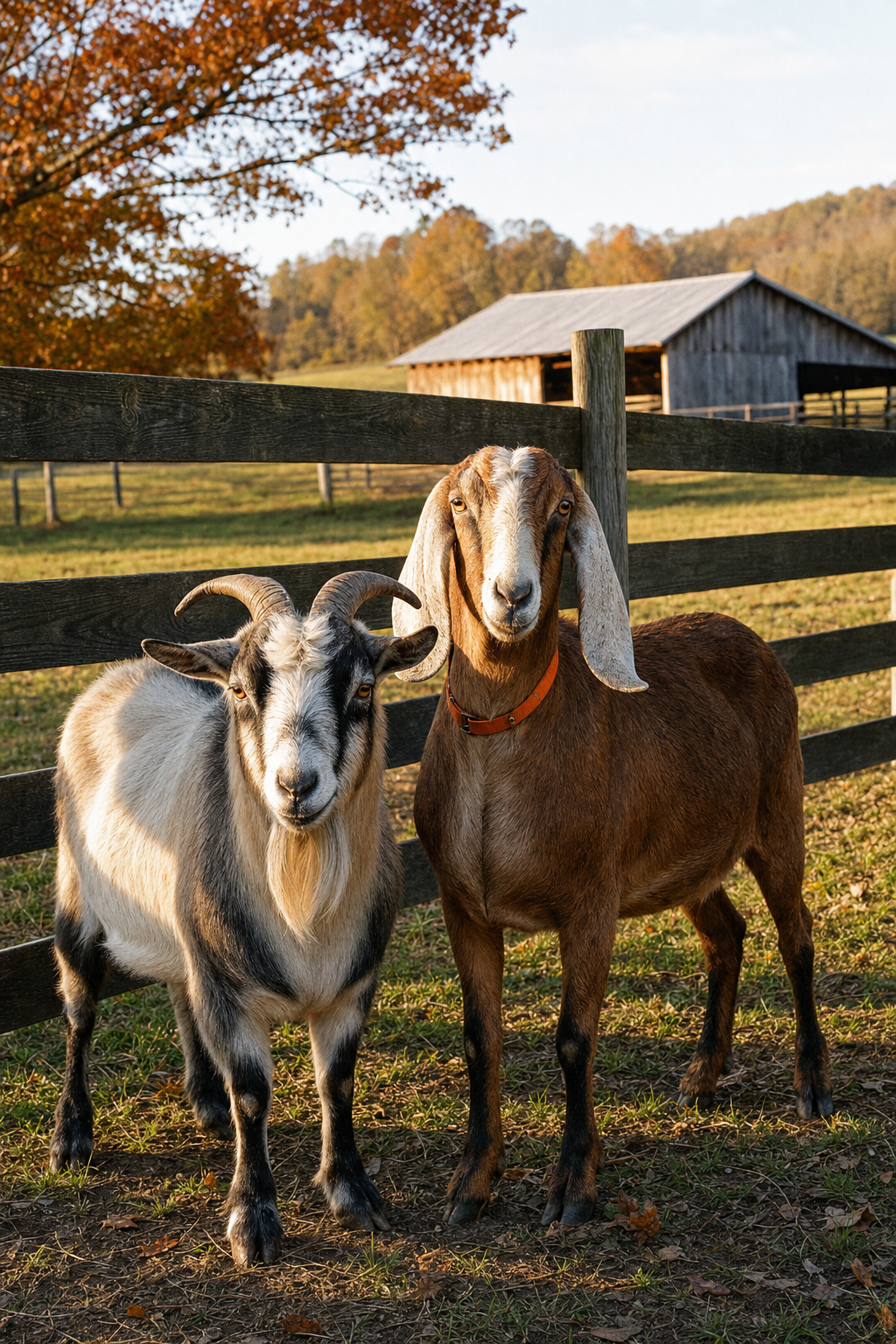
Here’s the frustrating truth about buying goats locally: almost nobody posts prices. In a survey of 27 goat listings across Tennessee directories, only one farm, OOH RAH Dairy Goats on realmilk.com, listed any price at all ($50 purchase price, then $50 a month). The other 96% of listings were completely silent on cost. You’re expected to call and ask, which means you have no baseline going in.
So let’s give you one. These are general ranges based on what farms and auction data suggest, not invented numbers:
| Goat Type | Typical Price Range | Notes |
|---|---|---|
| Commercial meat kids (weaned) | $150 – $250 | Unregistered, sold at weaning weight |
| Registered meat kids (Boer, Kiko) | Pricing varies — contact breeders directly | Papers add resale value for breeding stock |
| Commercial dairy kids (Nigerian Dwarf, Alpine) | $100 – $250 | Bottle babies often priced higher |
| Registered dairy does (milking age) | Pricing varies — contact breeders directly | Proven milkers with records command top prices |
| Livestock auction (mixed lot) | $30 – $100 | Higher risk, unknown health history |
| Fainting (Myotonic) goats | $150 – $350 | Niche market, popular in Tennessee |
A few things drive price up fast. Registration papers, a clean disease testing record (CAE, CL, Johnes-negative), and a proven milk history on a doe all add real money. A first-freshener with no records is priced differently than a third-freshening doe with written milk logs. For Nigerian Dwarfs specifically, registered animals from tested herds with good milk genetics rates are available on request and vary considerably by region.
Delivery is another cost most buyers don’t factor in. Across the Tennesed, not a single farm listed delivery options. That means you’re arranging transport yourself. Budget for a livestock trailer or a rental if you don’t own one. A goat traveling more than 90 minutes in a car without ventilation is a stressed goat, and stress at purchase time is a setup for health problems in the first week home.
Pro Tip: When you call a farm and ask price, also ask what the goat was last wormed with and when. Anthelmintic resistance is a real problem in goats. If they say they worm on a calendar schedule rather than doing fecal egg counts, that tells you something about how they manage parasite load.
Step 3: Find local goat farms and breeders by ZIP code or county
Start local. A farm you can visit, inspect, and return to with a sick animal is worth far more than a great deal three states away. For Tennessee buyers, the breed landscape is fragmented into micro-farms, each specializing in one or two breeds rather than keeping a general herd.
Here’s what the directory data shows for Tennessee farms with confirmed breed listings:
- DeWitt’s Farm(Speedwell, TN): Nubian, LaMancha, Nigerian Dwarf, Fainting, Boer, Pygmy. The widest breed selection of any single farm in the dataset.
- Anamchara Farmstead(Dixon Springs, TN): LaMancha, Mini LaMancha, Nigerian Dwarf. A dairy-focused operation.
- Crutcher Farms(Bethpage, TN): Alpine, Nigerian Dwarf, Mini Alpine.
- Blue Roof Farm(Manchester, TN): Kiko only. A meat-breed specialist.
- Harvest Sky Farms(Rock Island, TN): Alpine, Mini LaMancha, Nigerian Dwarf, Mini Alpine.
- Sunflower Mountain Farm(Flag Pond, TN): Kinder, Mini LaMancha, Nigerian Dwarf.
- 007 Livestock(Lewisburg, TN) and 4F Farm(Belfast, TN): Both specialize in Fainting (Myotonic) goats.
- Rutz Ridge(Shelbyville, TN): Mini LaMancha, Nigerian Dwarf.
- Juniper Farms(Athens, TN): Mini LaMancha.
Fainting goats show up disproportionately in the Tennessee data. They appear as a specialty focus for two farms and are in the breed list for several others. If you’re not looking for a novelty breed or a pet, be specific when you search. Typing “LaMancha dairy goat” plus your county will filter out most of the Fainting goat results.
To find farms outside Tennessee or in your specific ZIP code, the raw milk directory on The Easy Homestead is a useful cross-reference because many dairy goat farms also sell raw milk, and the listings include location and contact data. Beyond that, regional livestock auction price sheets and state department of agriculture market reports can help you verify whether what a farm is quoting you is in line with current market rates.
Ask around at your local feed store too. That still works. The farms buying goat minerals and parasite treatments are the same ones with animals for sale, and the person behind the counter often knows which breeder just had a fresh round of kids.
Step 4: Check livestock auctions if you want more options or lower prices
Auctions are a real option, but go in knowing the tradeoffs. You’ll see more animals in one morning than you’d see visiting a dozen farms. Prices at small livestock sale barns can be significantly lower than direct-from-breeder prices, with kids sometimes going for $30 to $60 at rural auctions.
The catch is information. You get no health history, no vaccination records, no worming dates, and no idea what herd that animal came from. One homestead channel that runs Kiko meat goats described taking animals to a sale barn and getting around $60 per goat, calling it the least profitable option they’d tried. From the buyer’s side, that $60 goat may carry a parasite load or disease status that costs you far more in vet bills than you saved at the gate.
Auctions work better for buyers who:
- Already know how to evaluate an animal on sight (body condition score, FAMACHA eye score, coat quality)
- Have a quarantine pen ready at home for new arrivals
- Are buying meat animals they’ll process within months rather than building a breeding herd
If you do go the auction route, arrive early. Meat processors and experienced buyers show up first and pick the best animals. The animals that sit through a full auction day are stressed, which suppresses immune function. Get there when the doors open, evaluate quickly, and don’t let auction excitement push you past your budget on an animal you can’t fully assess.
Some states have livestock sale barns that post their schedule and upcoming lots online. Search “[your county] livestock sale barn” or “[your state] livestock auction schedule” to find sale dates. Tennessee has active sale barns in several counties that run goat lots regularly.
Key Takeaway: Auctions are worth attending if you’re experienced at reading animal health on the spot and have a quarantine setup at home , otherwise, the price savings can disappear fast in vet costs.
Step 5: Use online listings when local options are thin

If your county has thin local inventory, online directories can expand the search. A few platforms aggregate goat listings nationally with enough location data to narrow by state or region.
OpenHerd (openherd.com) lists farms by species and state. Their goat section includes individual breeders such as Kim Brandsma & Robert (Bob) Brandsma in Canton, GA, Deb Young in Doylestown, OH, and Doug, Brooke, and Lindsay Betz in Penn Valley, CA. These are real farms with contact info, but you’ll need to factor in transport from wherever they’re located.
Dairy-focused directories can be useful specifically for dairy goat farms, filtering toward food-focused operations where you can expect mostly dairy breeds.
For a more local and verified option, The Easy Homestead is building a directory specifically for the homesteading supply chain, searchable by ZIP code and county. It covers livestock suppliers and farm services that general directories like LocalHarvest miss entirely. LocalHarvest skews toward food sellers and doesn’t cover farm trades or livestock services. The Easy Homestead is built to fill that gap, with verified listings and real reviews from other homesteaders in your area.
When buying from out-of-area listings, delivery is the main logistics question. No farms in the Tennessee dataset listed delivery options, which is typical. Most breeders expect you to arrange pickup, though some will coordinate with livestock haulers for longer distances. If you’re buying from another state, confirm transport arrangements before you commit. A goat shipped without adequate ventilation or water is a goat that arrives sick.
Step 6: Vet the animal before money changes hands
Never buy a goat without seeing the animal in person and looking at the herd it came from. The individual animal tells you one thing. The herd tells you everything.
When you visit, walk the whole pen. You want animals with bright eyes, soft coats, and normal energy. Any goat that’s standing apart from the herd, limping, shivering, or showing bald patches is a warning sign about the whole operation, not just that one animal. A barn that smells heavily of ammonia points to poor ventilation and management practices that affect parasite and respiratory disease load.
For the specific animal you’re buying, check these things before you pay:
- Body condition: run your hands along the spine and ribs. You shouldn’t feel bones sharply, but the animal shouldn’t be bloated either.
- FAMACHA score: pull down the lower eyelid. Pale white or gray membranes indicate anemia from barber pole worm load. You want pink to red.
- Hooves: overgrown or severely splayed hooves suggest infrequent trimming and possible foot rot history.
- Udder (for does): no lumps, heat, or asymmetry. Extra teats are a disqualifier if you’re milking.
Ask for written medical history. This means vaccination dates (CD&T at minimum), last worming date and product used, and any disease testing. For dairy does, ask specifically about CAE (Caprine Arthritis Encephalitis), CL (Caseous Lymphadenitis), and Johnes disease testing. A clean, current test result from a herd is worth paying more for. Even buying from a tested herd doesn’t replace doing your own testing when the animal arrives, but it gives you a baseline.
If you’re buying a pregnant doe, get one no more than two months into gestation. Moving a doe in late pregnancy can trigger abortion. Get the breeding date in writing. And if you’re buying a bottle baby, confirm the kid received adequate colostrum in the first hours of life. A kid that didn’t get colostrum has a compromised immune system from day one, regardless of how healthy it looks at purchase.
Once the animal is home, keep it separate from your existing herd for at least 30 days. That quarantine period catches most health issues before they spread. Your large-animal vet should do a new-arrival check during that window. If you don’t have a large-animal vet yet, that’s worth sorting before the animal arrives. The large animal vet directory on The Easy Homestead can help you find one near you who works with small ruminants.
FAQ
What’s the cheapest way to buy goats locally?
Livestock auctions offer the lowest purchase prices, with kids sometimes selling for $30 to $60 at small rural sale barns. But auction animals come with no health history, no vaccination records, and unknown parasite status. If you’re building a breeding herd or buying dairy animals, the savings rarely hold up once you factor in quarantine costs and potential vet bills. Direct-from-breeder is safer when health history matters.
How do I find goat breeders near me by ZIP code?
Search “[your breed] goat breeder [your county or state]” to start. Directory sites like openherd.com and realmilk.com filter by state and species. The Easy Homestead directory allows ZIP code and county search for verified local livestock suppliers. Your local feed store is also a reliable shortcut: the people buying goat supplies usually know who’s selling animals nearby.
What questions should I ask a goat seller before buying?
Ask for the animal’s date of birth, last vaccination (CD&T), last worming product and date, and any disease testing results for CAE, CL, and Johnes. For does, ask about milk history and udder health. Ask what the goat is currently eating and how much. Get these answers in writing before you pick up the animal, not just verbally at the gate.
Can I buy goats online and have them shipped?
Yes, but it’s not simple. Most breeders expect you to arrange transport. Some will coordinate with livestock haulers for longer distances, but you’re responsible for confirming the logistics. Make sure any transport includes adequate ventilation, water access, and a travel duration the animal can handle without serious stress. Stress during transport suppresses immune function and frequently leads to illness in the first week after arrival.
What’s a fair price for a Nigerian Dwarf goat?
Unregistered Nigerian Dwarf kids typically run $100 to $200. Registered animals from tested herds with good milk genetics command significantly higher prices. Does in active milk production from proven bloodlines command the highest prices. Bottle babies are often priced higher than dam-raised kids because of the labor involved, even though the health risk is similar or slightly higher.
Do I need more than one goat?
Yes. Goats are herd animals and suffer from isolation stress. A single goat kept alone is a chronically stressed goat. Start with at least two. They don’t need to be the same breed or sex, just compatible. Two wethers, two does, or a doe and a wether all work. A lone buck is a management headache regardless, so don’t start there unless you have a specific breeding program planned.
Conclusion
The most common mistake people make when buying goats is skipping the farm description. See the herd, ask for the health records, and know your breed purpose before you show up. When you’re ready to search by location, find a verified seller near you on The Easy Homestead directory, where listings are organized by ZIP code and county so you’re not starting from a Facebook thread every time.